Legal & Compliance | Venditalia 2026 | By the VAdviced Team | August 2026
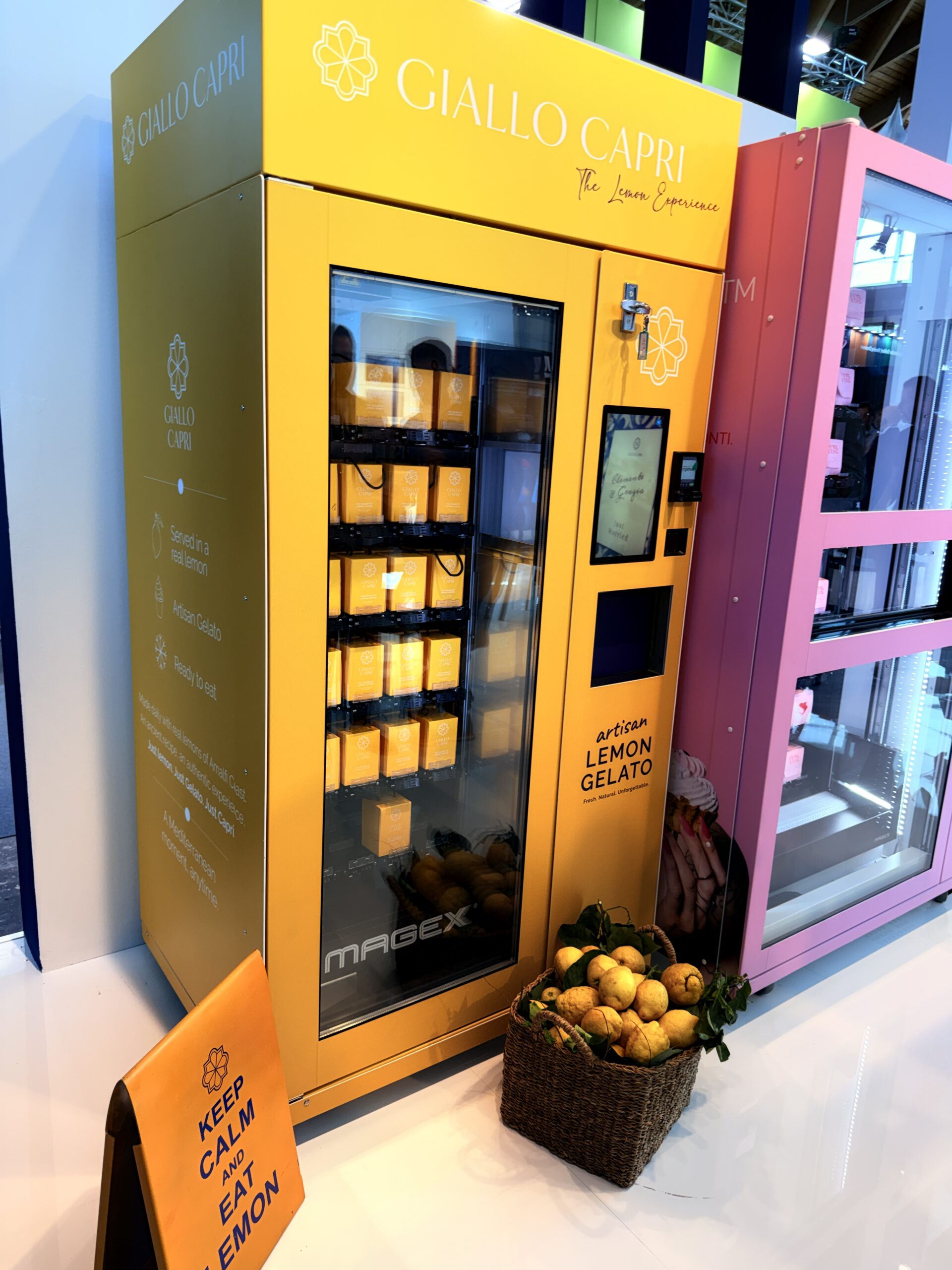
The premium machines at Venditalia 2026 were selling gelato, cupcakes, and fresh artisan desserts straight from a cabinet. It is an exciting shift, and it opens real revenue for operators. It also quietly moves the product into a much stricter legal category. The moment a vending machine dispenses fresh, chilled, or perishable food instead of a sealed bag of chips, a whole set of permits, food safety rules, and labeling obligations comes with it. This guide walks through what that legal side actually looks like, so you can plan for it before a machine goes live rather than scramble after a health inspector shows up.
A quick note: this article is general information, not legal advice. Rules vary by state and city and change over time, so treat this as a map of what to look into, and confirm the specifics for your situation with a qualified professional.
Fresh and Perishable Product Raises the Legal Bar
Selling shelf stable, prepackaged snacks and drinks is relatively simple from a compliance standpoint. The product is sealed by a manufacturer, it does not spoil quickly, and in many places the vending of it is lightly regulated. Fresh and perishable product is a different world. Gelato, cupcakes, pastries, and chilled food are considered potentially hazardous foods in most regulatory frameworks, because they can support the growth of bacteria if they are not held at the right temperature. That single classification pulls your machine into a category with real oversight.
In practical terms, it means health authorities care about how the food is sourced, stored, held, and labeled, and they can inspect, fine, or shut down a machine that does not meet the standard. None of this should scare an operator away from premium food vending. The margins are worth it. But it does mean the legal groundwork is not optional, and it should be handled before the first sale, not after a complaint. Our overview of general vending machine legal requirements is a good starting point, and this guide focuses specifically on the fresh and perishable layer on top of it.
Business Formation and Licensing Come First
Before any food specific rules apply, you need the basic business structure in place. That usually means a registered business entity, a general business license, a sales tax permit where your state taxes vending sales, and a federal tax ID. Many operators choose to form an LLC for a vending machine business to separate personal and business liability, which matters more when you are selling food that people consume. If you are weighing entity types, our guide on how to incorporate a vending machine business lays out the options.
Tax treatment is easy to overlook and expensive to get wrong. Vending sales are taxed differently across states, and food can be treated differently again from other goods. Our breakdown of vending machine tax covers how this works so you are collecting and remitting correctly from day one. Getting the entity, licensing, and tax setup right is the foundation everything else sits on.
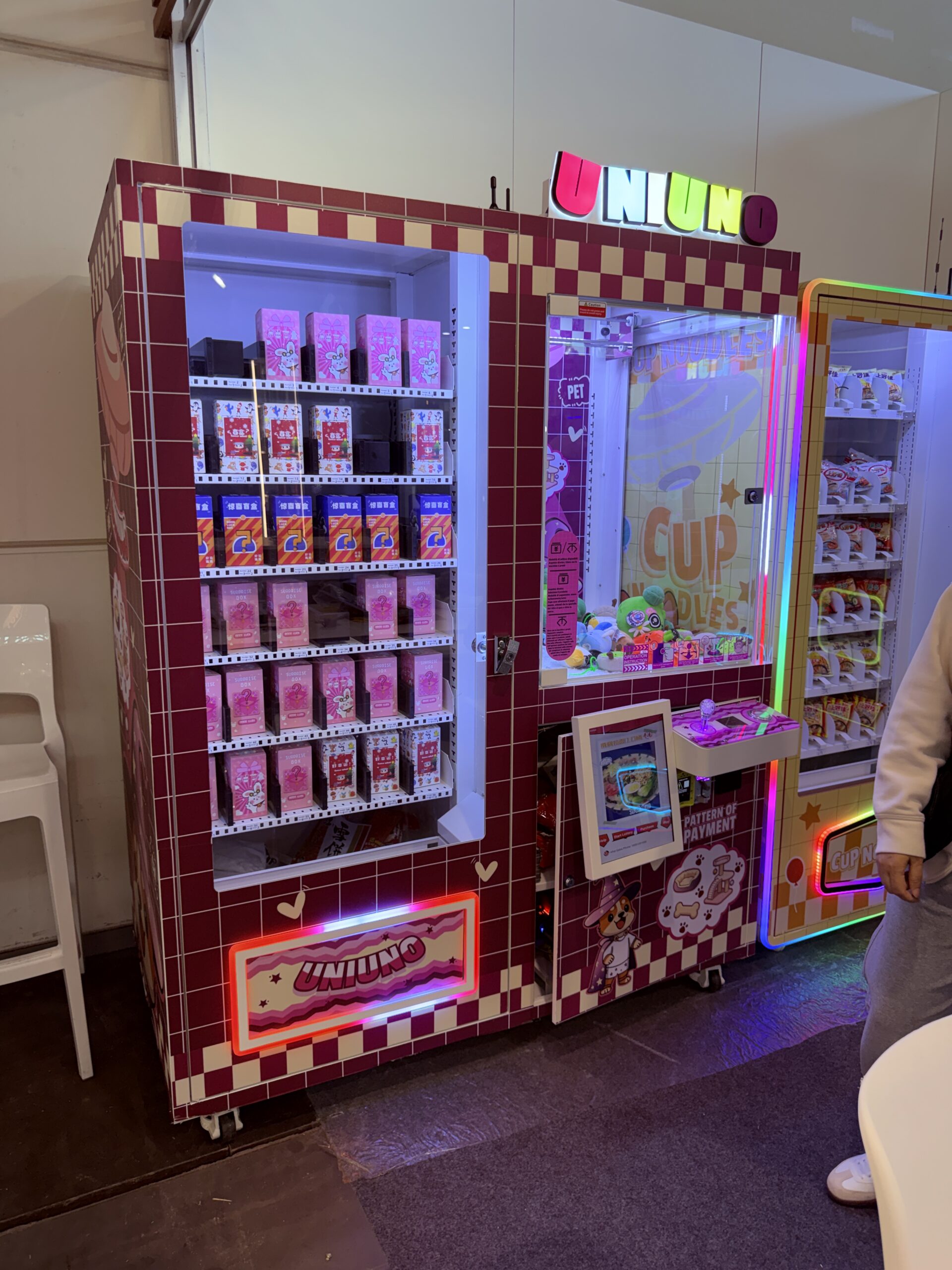
It is worth saying clearly: the product decides the rulebook. A machine selling sealed non food items like the surprise boxes above answers mostly to ordinary business and consumer rules. Add fresh dairy, eggs, or chilled food and you step into food safety territory. Many operators run a mix, so it helps to map each product line to the obligations it triggers rather than assuming one blanket set of rules covers the whole machine.
Food Establishment Permits and Health Approval
This is the core of fresh food compliance. Most jurisdictions require some form of food establishment permit or vending license from the local or state health department before you can sell perishable food from a machine. The permit process typically looks at where the food comes from, how it is transported, how the machine holds it, and how you handle cleaning and restocking. In many states the food must originate from a licensed commercial kitchen or commissary rather than a home kitchen, which is a detail that catches a lot of first time operators by surprise.
Whether you specifically need a license, and which one, depends heavily on your state and even your county. We maintain state by state guides, for example whether you need a license to operate food vending machines in California, and similar breakdowns for other states, so you can check your own jurisdiction. For the food safety fundamentals that apply across the board, our guide on food safety rules for a food vending machine goes deeper than we can here.
Temperature Control and the Cold Chain
For perishable product, temperature is the heart of compliance. Potentially hazardous foods have to be held within specific temperature ranges to stay safe, and a machine selling gelato or chilled desserts has to maintain those ranges continuously, including through power interruptions and restocking. Regulators increasingly expect not just that the machine holds temperature, but that you can show it did. That means temperature monitoring and, in many cases, logging that you can produce on request.
Modern machines help here. Many premium and refrigerated units include temperature tracking and remote monitoring that records the cold chain automatically and can flag a fault before product is compromised. Some jurisdictions also require a machine to automatically disable sales if it drifts out of a safe temperature range, so the customer is never served food that spent hours too warm. When you are selecting a machine, confirming it supports proper temperature holding and monitoring is as much a compliance decision as a hardware one. You can see the kind of refrigerated and food rated systems built for this in the food vending machines range.
Allergen and Ingredient Labeling
Premium desserts are full of common allergens. Cupcakes and pastries typically contain wheat, eggs, milk, and often nuts or soy, and gelato is dairy based. Packaged food sold to consumers generally has to declare its ingredients and call out major allergens clearly, and food sold through a machine is not exempt from that expectation. The customer needs a way to see what is in the product and whether it contains something they must avoid.
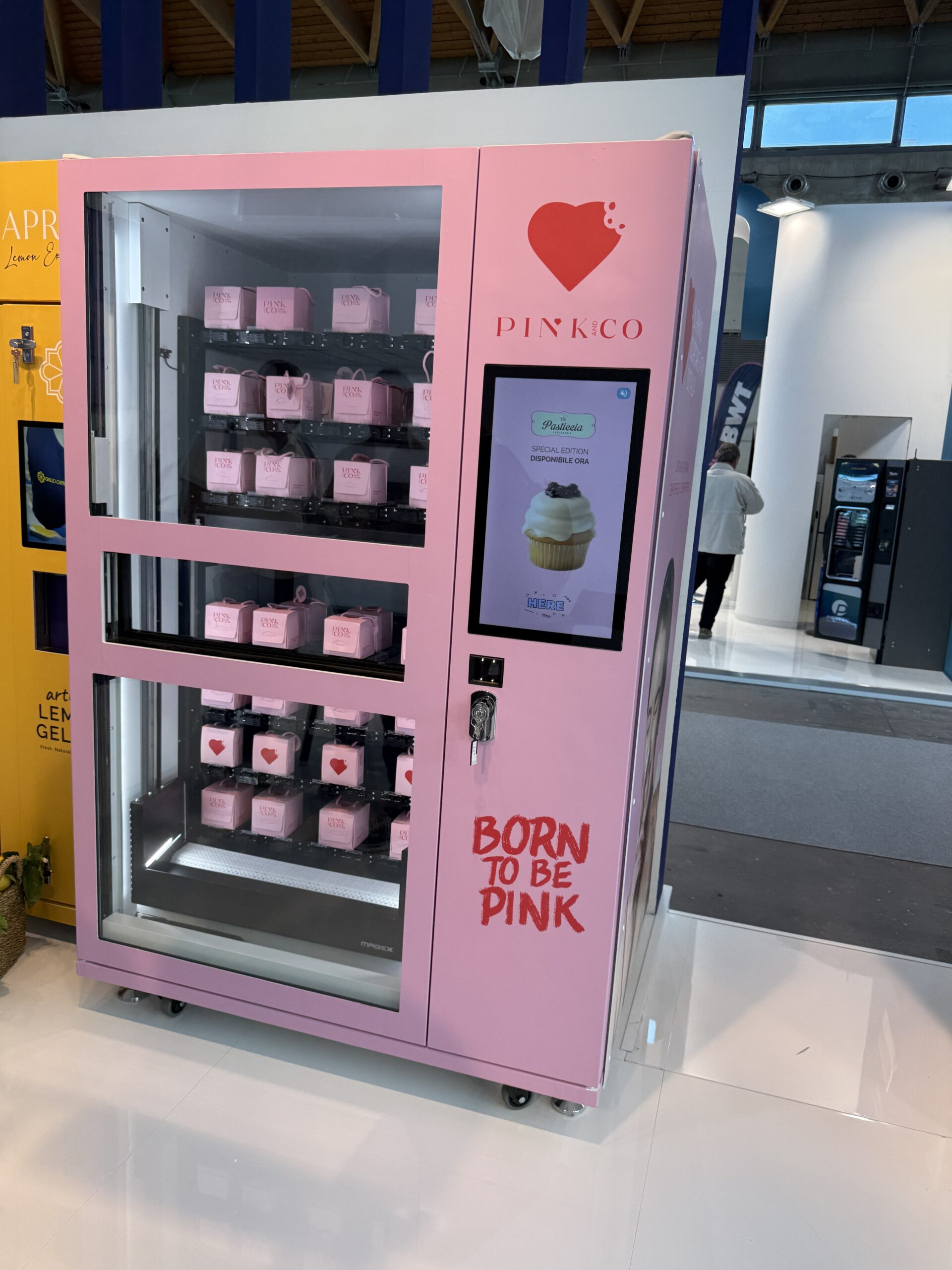
In practice this means the packaging or the machine display has to carry ingredient and allergen information the customer can read before buying. Because that labeling is also part of how the product looks and how the brand presents itself, it is worth coordinating the legal label content with the product design so the two work together rather than fighting each other. Our partners at VMarketed handle that design side, but the underlying requirement to disclose ingredients and allergens is a compliance matter first.
Date Marking, Shelf Life, and Rotation
Perishable product has a limited safe life, and compliance expects you to manage it. That usually means date marking product, rotating stock so older items sell first, and pulling anything that reaches its limit. A machine that keeps selling a cupcake three days past its safe window is a health risk and a liability exposure at the same time. For food vending, a clear restocking and rotation routine is not just good operations, it is part of staying compliant, and inspectors will often ask how you manage it.
This is one more reason the source of the food matters. When product comes from a licensed kitchen with proper date coding, rotation becomes straightforward. When it does not, you inherit the whole burden of proving freshness yourself. Hot and fresh food carries its own layered requirements, which we cover in detail in our guide on hot food vending machine permits and compliance.
Liability, Insurance, and Recalls
Selling food to the public carries liability that snack vending largely does not. If a product makes someone ill or triggers an allergic reaction, the operator can be exposed, which is why proper business structure and adequate insurance matter more in food vending. Product liability coverage, and confirming your general policy actually covers food sales, is a sensible step before launch. It is also worth having a plan for the rare case of a recall or a contamination issue, including how you would quickly disable a machine and remove affected product.
These are exactly the scenarios that make the upfront legal setup worthwhile. An operator who formed a proper entity, carries the right insurance, sources from licensed suppliers, and keeps clean records is in a completely different position if something goes wrong than one who skipped those steps to move faster.
It Varies by State, City, and Even Venue
There is no single national answer for food vending compliance in the United States. Requirements differ from state to state, and often from one county or city to the next, and the venue itself can add rules on top. A machine in an airport, a hospital, or a school may face requirements that the same machine would not face in a shopping center. This is why a generic checklist only gets you so far, and why confirming the rules for your specific state and location is essential. Our state guides, such as how to start a vending machine business and the state specific licensing pages, are built to help you find your own jurisdiction quickly.
Because location interacts with compliance, it pays to coordinate the two. Where you place a machine can change the permits you need, so aligning placement and legal planning avoids nasty surprises. Our partners at VPlaced handle the location side, and the machine itself comes from the range of vending machines at VMFS USA. Compliance works best when it is planned alongside those two rather than bolted on at the end.
Frequently Asked Questions
Do you need a license to sell fresh food from a vending machine?
In most places, yes. Selling fresh or perishable food from a machine usually requires a food establishment permit or vending license from the local or state health department, and often the food must come from a licensed commercial kitchen. The exact requirement depends on your state and county, so check your specific jurisdiction before launching.
Can you sell gelato or cupcakes from a vending machine legally?
Yes, and premium machines are built to do exactly this, but because these are perishable, dairy or egg based products, they fall under food safety regulation. You will generally need the right permits, temperature controlled equipment with monitoring, proper allergen labeling, and product sourced from a licensed kitchen.
What are the main compliance costs for a food vending machine?
The common ones are business formation and licensing, health department permits, insurance including product liability, and the refrigerated equipment needed to hold product safely. There may also be recurring costs like permit renewals and inspections. These vary widely by location, which is why a jurisdiction specific review is worthwhile.
Does the machine need to log temperature?
Increasingly, yes. Many regulators expect operators to demonstrate that perishable product was held at a safe temperature continuously, and some require machines to disable sales automatically if temperature drifts out of range. Machines with built in temperature monitoring and remote logging make meeting this expectation far easier.
Selling Fresh Product From a Machine?
VAdviced handles the legal formalities of vending, from entity formation and licensing to the permits and compliance that come with selling fresh and perishable product. Get it set up correctly before your machine goes live.