Legal & Setup | Outdoor Vending | By the VAdviced Team | September 2026
Put a vending machine inside a building and, from a planning perspective, almost nobody cares. It is furniture. It sits in a room that is already permitted for people to be in, and the questions you face are about business licensing and food safety rather than about the machine itself.
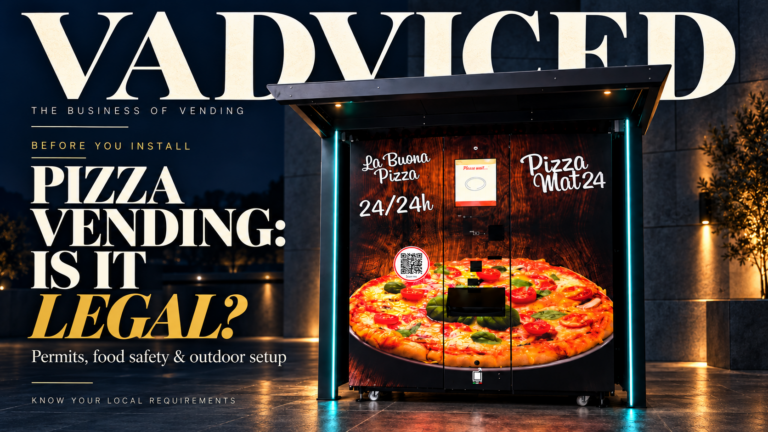
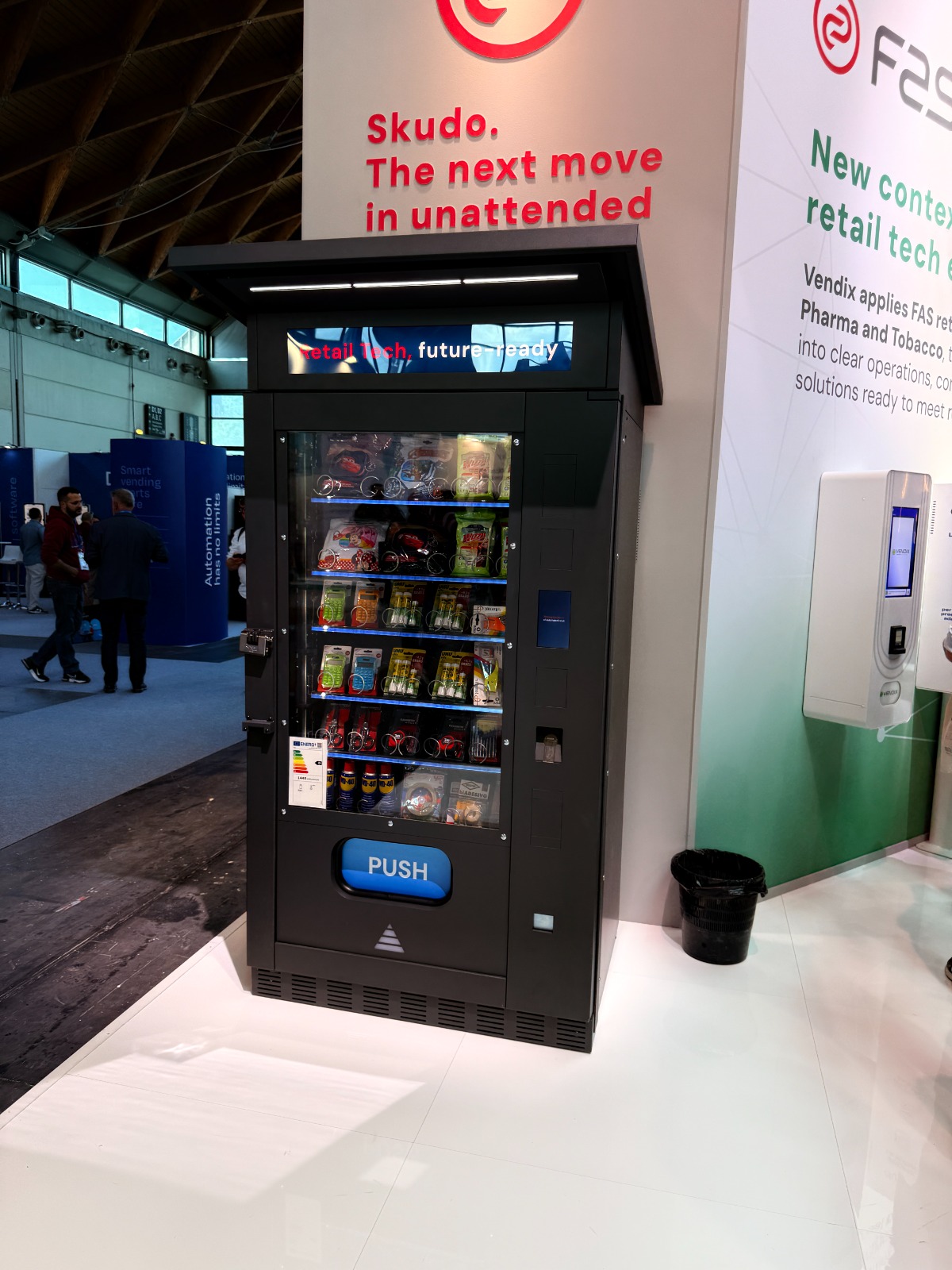
Move that same machine eight feet, through the wall and onto the exterior, and you have entered an entirely different regulatory conversation. Outdoors, your machine is a structure. It is visible from the street, it occupies land, it may be considered signage, and suddenly people who never had an opinion about your business have jurisdiction over it.
None of this is difficult, and thousands of outdoor machines operate perfectly legally across the country. But it is a genuinely different checklist, and the operators who get caught out are almost always the ones who assumed outdoor placement was indoor placement with a hardier cabinet.
General information, not legal advice. Zoning and permitting are set locally and vary enormously between cities, sometimes between neighbourhoods. Use this to understand what to ask about, then confirm the specifics for your own site.
Where this comes from: setting up vending businesses legally is what we do. Outdoor placement raises questions indoor operators never encounter, and these are the ones that come up repeatedly.
The Question That Decides Everything: Whose Land Is It?
Before anything else, establish exactly what your machine will be standing on, because the answer changes which rules apply and who has to say yes.
| Where it stands | Who must approve | Difficulty |
|---|---|---|
| Private property, set back from the street | Owner, plus local zoning if applicable | Usually straightforward |
| Private property, street facing | Owner, zoning, possibly signage review | Moderate |
| Public right of way, including sidewalk | The municipality, via encroachment permit | Difficult, often refused |
| Public land such as a park | The agency responsible, often by contract | Slow and competitive |
Row three catches people constantly, because the boundary between private property and public right of way is frequently not where anybody assumes. The sidewalk in front of a shop, and sometimes a strip of what looks like the shop’s own frontage, belongs to the city. Placing a machine on it without an encroachment permit is a straightforward violation, however cooperative the shop owner is.
The practical step is to establish the property line before you agree anything, not after installation. A property owner saying it is fine is not the same as it being legal, and the enforcement notice will come to whoever owns the machine.
Zoning: Is Retail Even Allowed Here?
An outdoor vending machine is an unattended retail use, and zoning codes have opinions about where retail can happen. In commercial and industrial zones this is rarely an issue. In residential zones it frequently is, and mixed use districts vary enormously.
The specific questions worth asking your local planning department:
- Is unattended outdoor retail permitted in this zone at all? The foundational question, and occasionally the answer is simply no.
- Does an exterior machine count as an accessory use to the main business? If it does, it is usually straightforward. If it is treated as a separate use, you may need a specific approval.
- Are there setback requirements? Some codes require structures to sit a minimum distance from property lines or the street.
- Is a permanently anchored machine considered a structure? This matters, because it can trigger building permit requirements that a freestanding unit would not.
- Are there hours of operation restrictions? Residential adjacent sites sometimes have them, which directly undermines the whole point of trading overnight.
That last point is worth checking early. An outdoor machine exists to trade around the clock, and a site with an overnight restriction is a very different investment.
Your Machine Might Legally Be a Sign
This one surprises almost everybody, and it is a genuine trap in historic districts and design controlled areas.
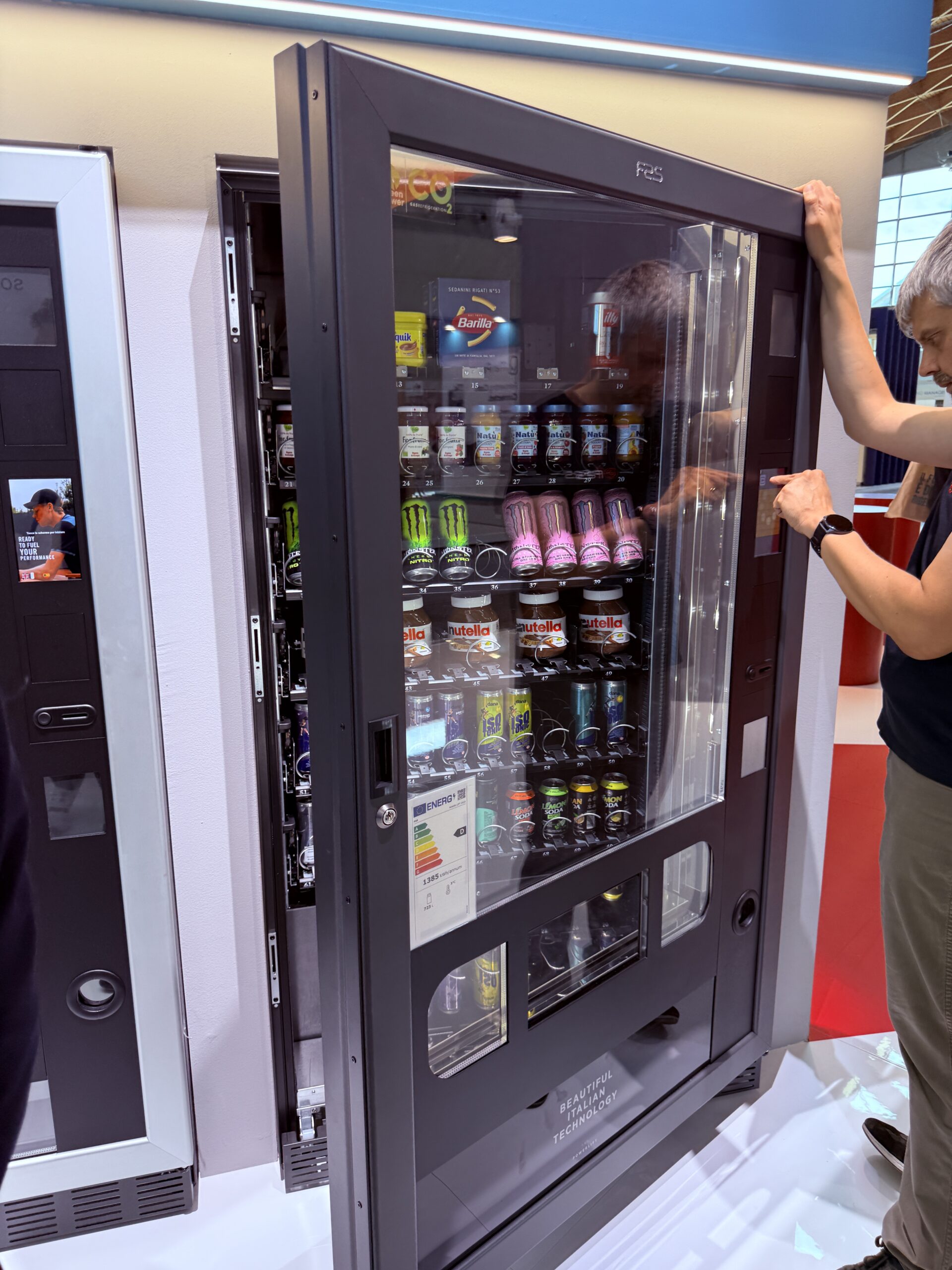
A large, illuminated, brightly wrapped machine facing a street displays commercial messaging in public view. A number of sign ordinances are written broadly enough to capture exactly that, which can bring your machine within rules governing size, illumination, brightness and even colour.
Where this bites hardest:
- Historic districts. Frequently have strict appearance controls, and a modern illuminated machine on a protected frontage is exactly the thing those rules exist to prevent.
- Planned developments and HOA governed areas. Private design standards can be stricter than the municipal code, and they are enforced by people who live there.
- Illumination rules near residential. A brightly lit machine running all night beside homes can fall foul of light spill provisions.
- Sign area calculations. In some places a wrapped machine’s graphics count toward the total signage a property is permitted, which can put the host business over its own limit.
The practical consequence is that machine graphics become a compliance decision rather than purely a design one, so it is worth coordinating the wrap with both the local rules and whoever produces your machine graphics before anything is printed.
Accessibility Applies Outdoors Too
A machine placed at a public accommodation raises accessibility considerations, and outdoors these are easier to get wrong because you are working with existing ground rather than a designed interior.
- Do not block an accessible route. Placing a machine so it narrows a path below the required clear width is one of the most common and most avoidable problems.
- Approach surface matters. A machine reachable only across gravel, grass or a step is not usefully accessible even if the machine itself is fine.
- Reach ranges apply to controls. Payment terminals, screens and delivery openings all sit within guidance on operable parts.
- Do not obstruct exits or fire access. Separate from accessibility but frequently discovered at the same inspection, and taken extremely seriously.
Electrical Work Usually Needs a Permit
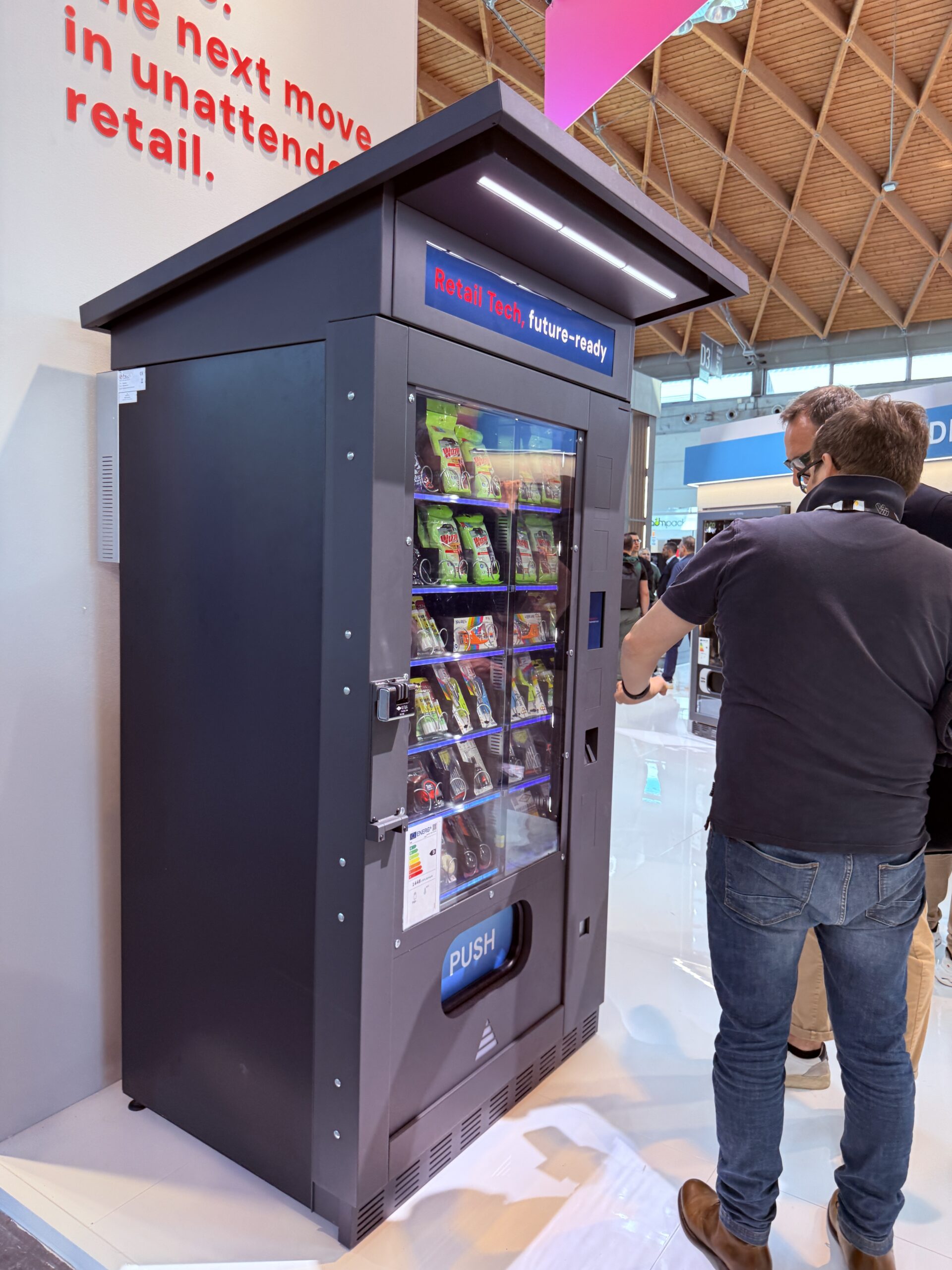
Indoor machines plug into an existing outlet and nobody thinks about it. Outdoors, you frequently need a new weatherproof exterior circuit, and that is electrical work on a commercial property.
- Expect a permit and an inspection for a new exterior circuit in most jurisdictions. It is routine, but it has to be done properly rather than informally.
- Ground fault protection is generally required for exterior outlets, and for good reason given what you are combining.
- Agree who pays and who owns the work. If you fund an installation on somebody else’s building, establish what happens to it when the agreement ends.
- Never solve this informally. An extension lead run through a window or door is a liability problem, an insurance problem and a fire risk all at once, and it will void cover at the worst possible moment.
Food Safety Is Harder Outdoors
If your machine sells food or drink beyond shelf stable packaged goods, temperature control is a legal obligation and outdoor conditions make it harder to meet.
- Refrigerated product still has to hold temperature through a July afternoon. A machine that drifts above the required range in sustained heat is a compliance failure, not merely a quality problem.
- Temperature logging matters more here. With no staff walking past daily, evidence of continuous compliance comes from the machine itself, so remote monitoring is worth specifying deliberately.
- Automatic shutdown on excursion is a genuinely valuable feature outdoors. A machine that keeps selling after losing temperature is a serious problem.
- Freezing damages stock too. Burst containers in winter are a food safety issue as well as a mess, particularly for anything that then thaws.
- Your health department may treat outdoor placement differently. Worth asking directly rather than assuming an indoor permit covers it.
Because of all this, the specification of the machine is part of your compliance position rather than separate from it, which is worth weighing when you look at the outdoor vending machines range or browse the full shop at VMFS USA.
Insurance and Liability Change Outdoors
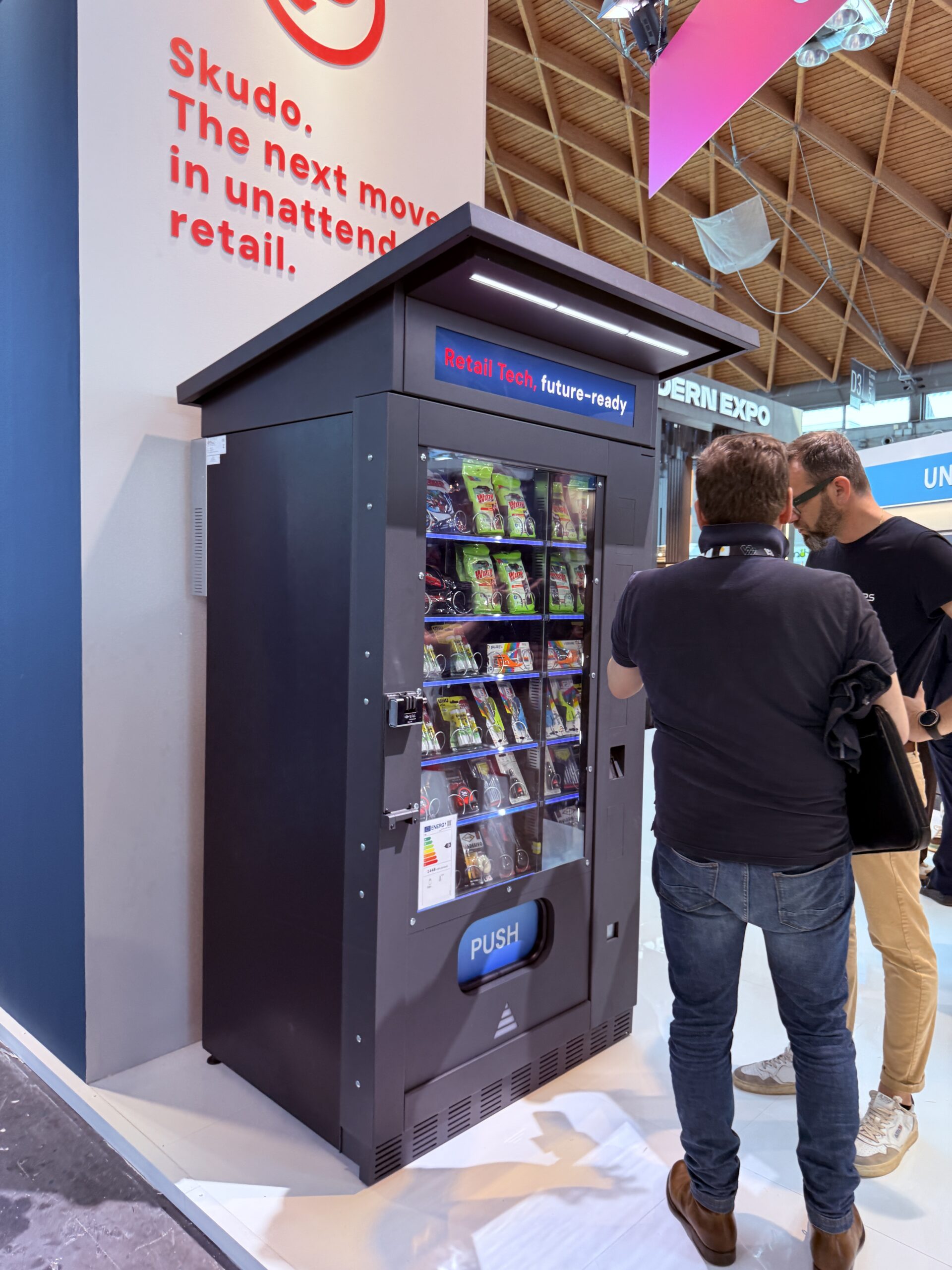
A machine in a lobby is exposed to the people in that building. A machine on a forecourt is exposed to the weather, to vehicles, to the public and to everything else that happens outside. Read your policy accordingly.
- Confirm the policy covers outdoor placement at all. Some are written around interior equipment and exclude exterior installations, which is a conversation to have before installation rather than after a storm.
- Weather and vehicle impact. Wind, flooding, hail and somebody reversing into it are all realistic outdoors and worth confirming explicitly.
- Public liability considerations. A machine in a public space is reachable by anybody, including children, at any hour.
- Anchoring is a liability question, not just a security one. A tall cabinet that topples is a serious incident, and proper fixing protects you legally as well as commercially.
- Agree responsibility with the property owner. Weather damage, vandalism and vehicle impact should be allocated in writing rather than assumed.
The Ordinary Setup Still Applies
- Business entity. An LLC or similar to separate personal and business liability, which matters more when your equipment sits in a public space.
- Sales tax registration. Selling from a machine is a taxable retail sale in most states regardless of where the machine stands.
- Vending licence and per machine decals. Required in many states and cities, and some jurisdictions treat outdoor machines under a separate category.
- Food establishment permit where you sell anything beyond shelf stable packaged goods.
- Contact details displayed on the machine. Frequently required, and practically essential outdoors, since nobody at the site can answer a customer’s question for you.
Put These in the Placement Agreement
- The exact location, ideally with a drawing, since precise position affects several of the rules above
- Who supplies power, who pays for the installation, and who owns that work afterwards
- Who is responsible for weather damage, vandalism and vehicle impact
- Who obtains permits, and what happens if one is refused after installation
- Snow clearance and grounds maintenance around the machine
- Whether the owner may require the machine to be moved, and on what notice
- Lighting responsibility at the site, which affects both security and liability
That fourth point deserves attention. If a permit is refused after you have installed, somebody has to pay to remove the machine, and agreeing that in advance avoids an expensive argument. Our partners at VPlaced handle securing outdoor sites, and property owners can list exterior space through their location owners page.
How We Help
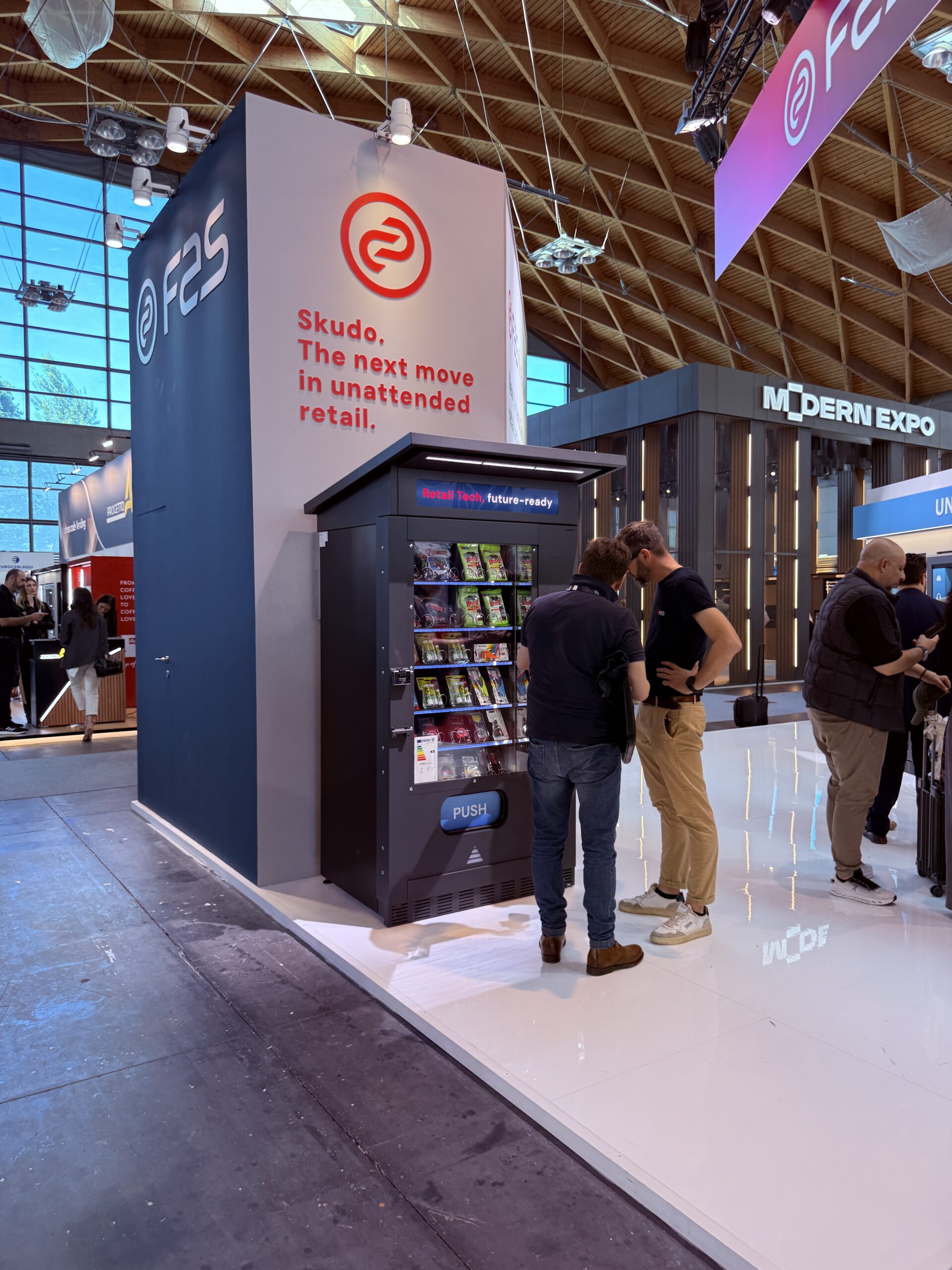
- Establishing what applies to your specific site. Zoning, right of way, signage and accessibility all turn on exact position, and the answer differs street by street.
- Permits and licensing. Business licences, vending permits, decals, food establishment permits and any local approvals, handled rather than researched at midnight.
- Entity and tax registration. Set up properly from the start.
- Placement agreements with the power, permit, damage and removal clauses outdoor placement actually needs.
- Reviewing what goes on the machine, since graphics can engage signage rules outdoors in a way they never do inside.
You can see the full scope on our services page, see the process on how we work, start through Order Now, or talk to us first. Presentation is handled by VMarketed, and once a machine is live and legal, listing it on VendingFinder helps people find it.
Before You Install
- Have you confirmed the property line, and that the spot is not public right of way?
- Is unattended outdoor retail permitted in this zone?
- Are there setback, appearance or hours of operation restrictions?
- Could the machine’s graphics engage local signage rules?
- Does the position keep accessible routes and exits clear?
- Is the electrical work permitted, inspected and properly protected?
- Can the machine hold temperature in local extremes, with logging?
- Does your insurance explicitly cover outdoor placement and weather damage?
- Is the machine anchored appropriately for wind and stability?
- Does the agreement cover permits, removal, damage and snow clearance?
Frequently Asked Questions
Do you need a permit for an outdoor vending machine?
Often, and considerably more often than for an indoor one. Depending on the city and the exact position you may need zoning approval, an electrical permit for a new exterior circuit, and occasionally signage review. On public right of way you generally need an encroachment permit, which is frequently refused.
Can I put a machine on the sidewalk outside a shop?
Usually not without a permit from the city, because sidewalks are typically public right of way even directly in front of a private business. The shop owner agreeing does not make it lawful, and enforcement will come to whoever owns the machine. Establish the property line first.
Can a vending machine really count as a sign?
In some jurisdictions yes. A large illuminated machine with commercial graphics facing a street can fall within broadly drafted sign ordinances, which is particularly common in historic districts and design controlled developments. It can affect permitted size, illumination and even the total signage the host property is allowed.
Does my insurance automatically cover an outdoor machine?
Do not assume so. Some policies are written around interior equipment and either exclude outdoor placement or treat weather damage differently. Ask specifically about exterior installation, weather, flooding and vehicle impact, and get the answer in writing before the machine goes in.
Get Outdoor Placement Right First Time
We handle zoning questions, permits, licensing, electrical approvals and the placement agreements outdoor installation actually needs. Settle it before the machine arrives, not after a notice does.