Legal & Setup | Pizza Vending | By the VAdviced Team | September 2026
Most vending machines dispense something a factory sealed, labelled and shipped. Your obligation is to keep it at the right temperature and sell it before the date on the packet. That is a manageable set of duties and it is what most vending regulation is written around.
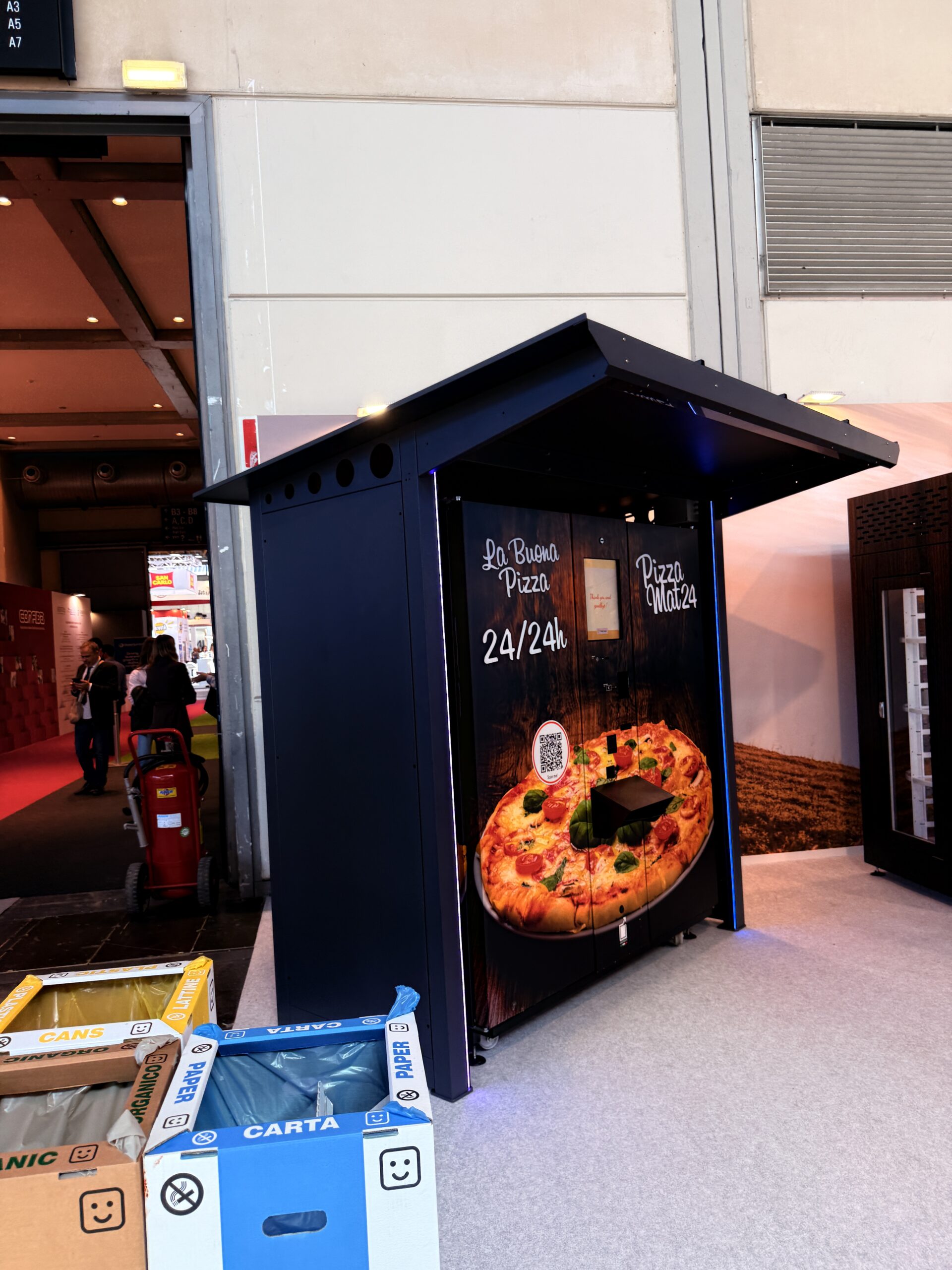
A pizza vending machine does something categorically different. It takes a refrigerated raw assembled product and cooks it, unattended, in a public place, at whatever hour somebody presses the button.
That single verb moves you out of vending regulation and into food service regulation, and it is the thing operators consistently fail to anticipate. You are not running a machine that holds food. You are running an unattended kitchen, and an outdoor pizza vending machine adds a second regulatory track on top of that.
General information, not legal advice. Food safety rules are set at state and county level and vary considerably, particularly around machines that cook. Use this to understand what to ask, then confirm the position with the health authority for each site before you install.
Where this comes from: setting up vending businesses legally is what we do. Hot food machines sit in a heavier regulatory bracket than anything else in the industry, and pizza sits at the top of that bracket because it cooks.
The First Question: What Does Your County Call This?
Before you buy a machine, before you sign a site, establish how the health authority for that location classifies a unit that cooks. The answer determines everything that follows and it genuinely varies.
Broadly, you will get one of three responses, and each carries a different weight of obligation:
| Classification | What it usually means |
|---|---|
| Vending machine | The lightest position. A vending permit per machine, a commissary requirement and routine inspection. Increasingly rare for units that cook |
| Food establishment | The most common outcome. A full food establishment permit, plan review before installation, certified food manager requirements and regular inspection |
| Not addressed in the code | More common than you would expect with newer technology. Means a conversation rather than a form, and it is far better to have that conversation early than to be discovered later |
The practical warning: this is a county level answer, not a state one. An operator running machines across three counties can genuinely face three different classifications for identical equipment. Plan review in particular is the step that catches people, because it has to happen before installation and cannot be applied retrospectively to a machine already standing on a forecourt.
The Approved Source Rule Decides Your Supply Chain
This is the rule that ends the most business plans in this category, and it is worth understanding before you fall in love with the idea.
Food offered for sale to the public must come from an approved source, meaning a licensed and inspected facility. A pizza assembled in a home kitchen, however good, cannot legally go into a machine serving the public. Neither can one made in an unlicensed space behind a shop.
Which leaves three workable routes:
- Buy from a licensed producer. The lightest position by a distance. A commercial pizza manufacturer or a licensed restaurant supplying you under an agreement. Your obligation becomes holding and cooking rather than production.
- Use a commissary. A licensed commercial kitchen where your product is made, which many jurisdictions require vending operators to maintain in any case for storage and servicing.
- Operate your own licensed facility. The heaviest route and the one that makes sense if you already run a restaurant, which is exactly why an existing pizzeria has such an advantage in this category.
Whichever route you take, keep documentation of where every batch came from. If a question ever arises about a product, the ability to say precisely which facility produced it and when is the difference between a short conversation and a long one.
Time and Temperature Control Applies Twice
A refrigerated pizza is a textbook time and temperature control for safety food. Moist, low acid, containing dairy and frequently meat. It is exactly the category the rules were written for, and your machine handles it at both ends of the process.
- Cold holding, continuously. The product sits at chill temperature for days, unattended, and has to stay within range the entire time including through power interruptions and hot afternoons.
- Cooking to a safe temperature. The bake has to reliably reach and hold the required internal temperature. This is not a quality question, it is a safety requirement, and an oven degrading over time is a genuine hazard rather than merely a complaint.
- Automatic lockout on excursion. If the cabinet drifts out of range, the machine must stop selling rather than continue. Specify this deliberately, because a machine that keeps trading after losing temperature is the worst outcome available.
- Continuous logging you can produce. With nobody on site, your evidence of compliance is what the machine recorded. An inspector asking how you know the product stayed cold last Tuesday needs an answer better than a service note.
- A defined response to failure. What happens to the stock after a power cut, who decides, and how it is documented. Decide this in advance, in writing, because deciding it during an incident produces bad decisions.
The Screen Is Your Label
A packaged sandwich carries its information on the wrapper. Your customer chooses and pays before they see any packaging at all, which means the disclosure has to happen on screen, before the transaction.
- The nine major allergens, clearly. Pizza contains wheat and milk before you add anything, and sesame has been a major allergen since 2023. Toppings introduce more. This has to be visible before somebody buys, not printed on a box they receive afterwards.
- An ingredient list they can reach. Accessible on screen rather than buried, because a customer with a dietary restriction has no staff member to ask at two in the morning.
- Calorie information where it applies. Operators above a certain machine count fall within federal vending disclosure rules, and a cooked food product sold by a larger operation may also engage menu labelling requirements. Establish which applies to you rather than assuming neither does.
- Contact details on the machine. Frequently required and always sensible when nobody on site can answer a question for you.
- A cross contact statement if relevant. If your producer makes multiple products on shared equipment, that is information a customer with an allergy needs.
Getting this right is partly a software question, so confirm before purchase that the machine can display what you will be obliged to display. Retrofitting allergen disclosure onto an interface that was not built for it is considerably harder than specifying it at the outset.
An Outdoor Pizza Vending Machine Answers to Two Authorities
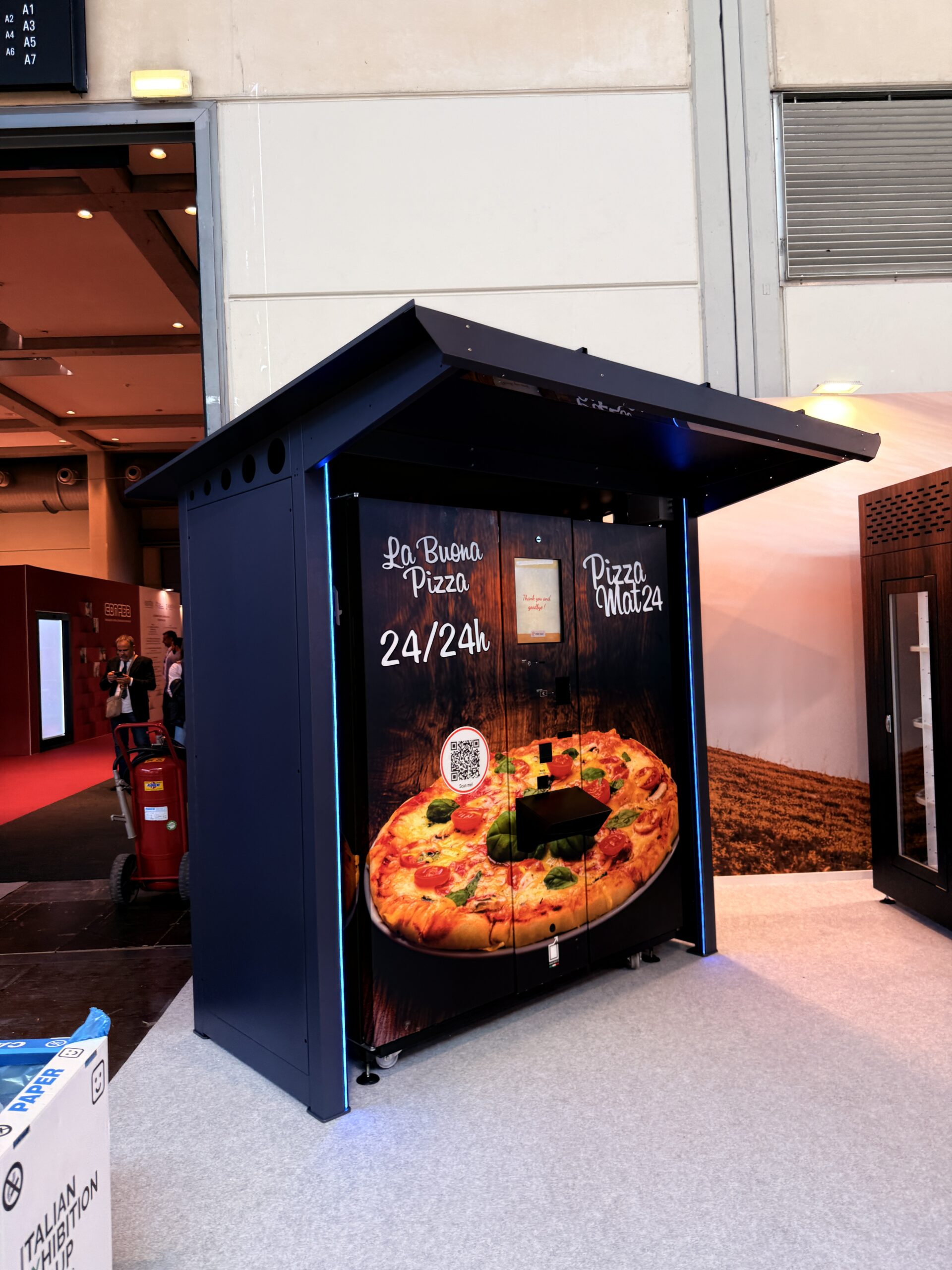
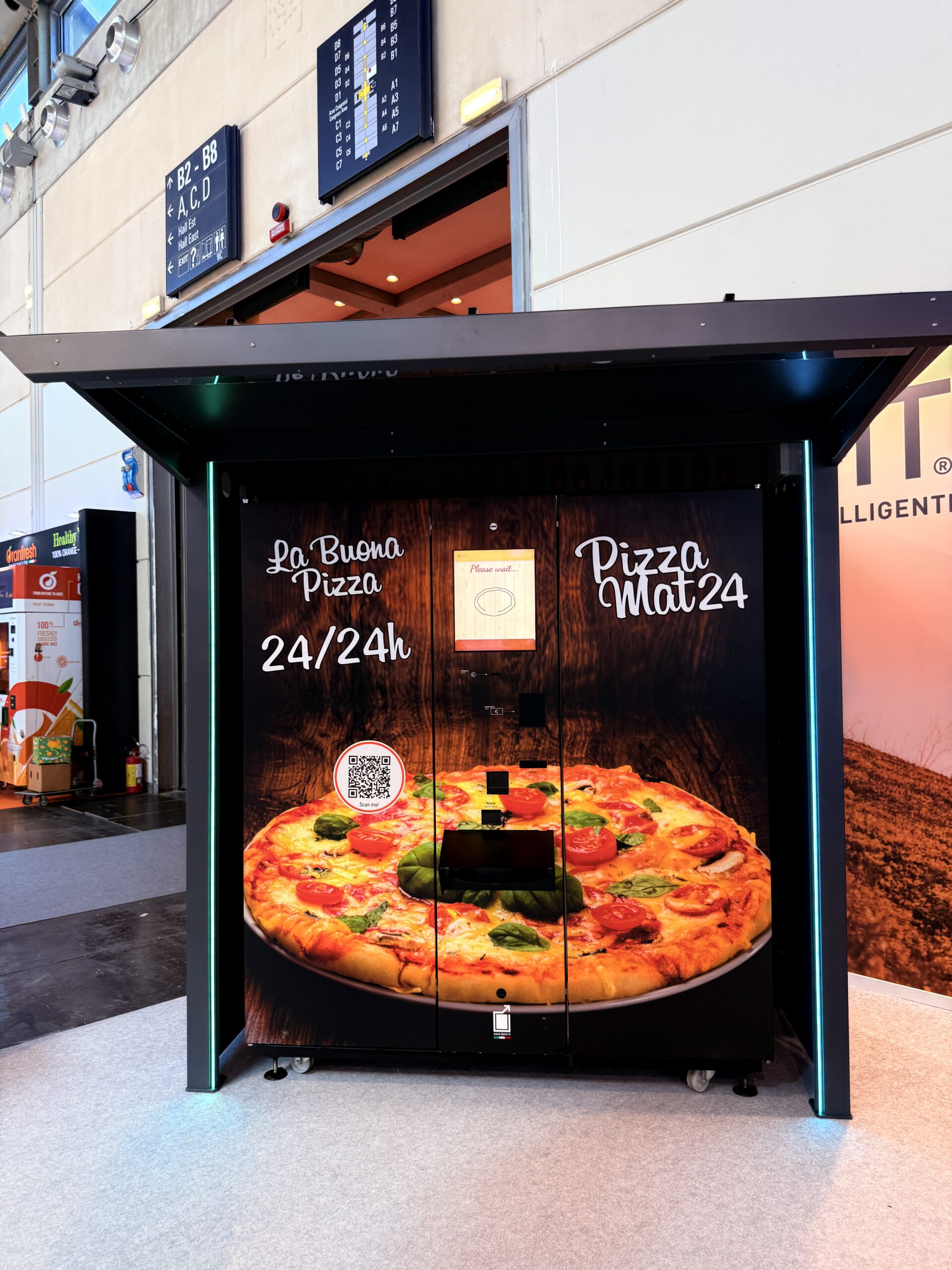
Because this format is strongest outdoors, most operators end up dealing with two regulatory tracks at once. The food side above, and the exterior installation side, which answers to entirely different people. Anybody planning an outdoor pizza vending machine should budget time for both rather than assuming the health permit is the whole job.
- Establish the property line first. The boundary between private property and public right of way is frequently not where anybody assumes, and a machine on the sidewalk needs an encroachment permit that is often refused.
- Zoning. Whether unattended outdoor retail is permitted in that zone at all, plus any setback, appearance or hours of operation restrictions. That last one matters enormously here, since overnight trading is the whole point.
- Electrical permits and inspection. A machine with an oven needs a serious circuit, which means proper permitted work rather than an extension lead, and ground fault protection for an exterior outlet.
- Signage rules. A large illuminated machine facing a street can fall within broadly drafted sign ordinances, particularly in historic districts. Check before printing graphics, not after.
- Accessibility. Keep accessible routes clear and consider reach ranges for the screen, payment terminal and delivery hatch.
Settling all of this at the placement stage rather than at installation is why our partners at VPlaced raise permits during the site survey rather than afterwards.
Cleaning Is a Compliance Activity
An oven that bakes cheese and oil accumulates residue, and unlike a restaurant kitchen there is nobody present to notice it building up. This is a genuine inspection point and operators underestimate it.
- Follow a written schedule, based on the manufacturer’s specification and your actual throughput rather than on convenience.
- Record every visit. Date, who attended, what was cleaned and any temperatures checked. An inspector will ask, and a machine with no service record is a machine assumed not to have been serviced.
- Include the delivery path. The hatch and chute contact the finished product and are easy to overlook because they look clean.
- Train whoever attends. Your route driver is functioning as food service staff, and several jurisdictions expect food handler certification accordingly.
- Keep the records accessible. Not in a van. Somewhere you can produce them on request, for as long as your jurisdiction requires.
Who Answers at Two in the Morning?
A question inspectors ask that operators are rarely ready for, and one that matters more for a pizza vending machine than for anything else in the industry.
Your machine cooks and sells food at hours when no member of your business is awake. If something goes wrong at that hour, whether a customer becomes unwell, a fault is reported or the machine behaves unexpectedly, there has to be a route to a responsible person.
- Displayed contact details that reach somebody. A number that rings out at night is worse than none, because it demonstrates you anticipated the problem and did not solve it.
- A written complaint procedure, including what happens if somebody reports illness. Who is told, what is done with the remaining stock, and whether the machine is taken out of service pending review.
- The ability to disable remotely. If a problem emerges at three in the morning, stopping sales within minutes rather than at the next service visit is the difference between an incident and a serious one.
- Batch traceability. Which producer, which delivery, which machine, which day. Without it you cannot answer the first question anybody will ask.
- Know your reporting duties. Several jurisdictions require notification of suspected foodborne illness, and the time limits are short. Establish what applies before you need it.
None of this is burdensome to arrange in advance and all of it is close to impossible to assemble during an incident. Offering the remote disable capability to a site owner unprompted also tends to remove their biggest reservation about hosting an unattended cooking appliance.
The Ordinary Setup Still Applies
- Business entity. An LLC or similar separating personal and business liability, which matters considerably more when you are cooking food for the public.
- Sales tax registration. Prepared hot food is frequently taxed differently from packaged goods, so confirm the treatment rather than assuming your existing setup covers it.
- Vending licence and per machine decals where required, sitting alongside the food permit rather than replacing it.
- Food manager certification, which several jurisdictions require for an operation preparing food even when no one is on site.
- Insurance that reflects the reality. Ask your broker specifically about product liability for cooked food sold unattended, and about outdoor equipment. Get both answers in writing before installation.
Put These in the Placement Agreement
- Who supplies power, who pays for it, and what happens if the circuit proves insufficient
- Who owns the electrical installation when the agreement ends
- Responsibility for weather damage, vandalism and vehicle impact
- Who obtains permits, and what happens if one is refused after installation
- Access for servicing at the frequency dated product requires
- Snow clearance and grounds maintenance around the machine
- How a customer complaint about food is handled and escalated
How We Help
- Establishing the classification with the health authority for each county you operate in, before equipment is ordered rather than after.
- Plan review and permitting, including the step that has to happen before installation and cannot be done retrospectively.
- Reviewing the supply route against approved source requirements, whether that is a producer agreement, a commissary or your own facility.
- Allergen and disclosure review of what the screen shows before somebody pays.
- Records and procedures for temperature, cleaning, failure response and complaints, set up before you need them.
- Outdoor permitting covering zoning, right of way, electrical and signage for exterior installations.
You can see the full scope on our services page, follow the process on how we work, begin through Order Now, or talk to us first. On the equipment side, temperature logging, automatic lockout and allergen display are all specification decisions that directly affect your compliance position, so choose deliberately from the VMFS USA food vending range or the wider shop. Presentation sits with VMarketed, and once a machine is live and compliant, listing it on VendingFinder helps customers find it.
Before You Install
- How does this county classify a vending machine that cooks?
- Is plan review required, and has it been done before installation?
- Does your product come from an approved, licensed source, documented per batch?
- Is a commissary required in this jurisdiction?
- Does the machine log temperature continuously and lock out on excursion?
- Does the screen show all nine major allergens before payment?
- Do calorie disclosure rules apply to your operation?
- Is there a written cleaning schedule with records kept accessibly?
- Does whoever services the machine hold food handler certification?
- For outdoor installs, are zoning, right of way, electrical and signage all cleared?
- Does your insurance cover cooked food sold unattended, in writing?
Frequently Asked Questions
Are pizza vending machines legal in the US?
Yes, and they operate in many states. The complication is that a machine which cooks is frequently regulated as a food establishment rather than as vending, which brings a full permit, plan review before installation and regular inspection. The classification is decided at county level, so the answer can differ between neighbouring jurisdictions.
Can I make the pizzas myself?
Only in a licensed and inspected facility. The approved source rule means food sold to the public cannot come from a home kitchen regardless of quality, which is why most operators buy from a licensed producer or use a commissary. An existing restaurant already satisfies this, which is a large part of why pizzerias are natural operators of this format.
What permits does an outdoor pizza vending machine need?
Typically a food establishment or vending permit depending on classification, a business licence, sales tax registration, and frequently food manager certification. An outdoor pizza vending machine adds zoning approval, electrical permits and sometimes signage review on top of all of that. Plan review is the step most commonly missed, because it must happen before the machine is installed.
What do allergen rules require on the machine?
Because the customer selects and pays before seeing any packaging, allergen information has to appear on screen before the transaction. Pizza contains wheat and milk inherently, and toppings add more, so confirm before purchase that the machine’s software can display what you are obliged to show.
What happens if the machine loses power overnight?
You need a defined, written response agreed in advance, plus a machine that logs the interruption and locks out rather than continuing to sell. Deciding what happens to the stock during an incident rather than before one produces bad decisions, and an inspector will ask how the situation was handled.
An Unattended Kitchen Needs Proper Setup
We establish how each county classifies your machine, handle plan review and permits before installation, and build the records a cooking machine actually needs.