Legal & Setup | Personalisation Vending | By the VAdviced Team | September 2026
Operators looking at personalisation machines tend to worry about the right thing for the wrong reason. They ask about copyright, because somebody might print a cartoon character, and that is a genuine issue we have written about before.
But watch who actually uses these machines. Almost nobody uploads a cartoon. They upload a photograph of their children, their family, their wedding, their dog. That is the whole appeal, and it is why a jigsaw puzzle of your own family sells better than a licensed image ever could.
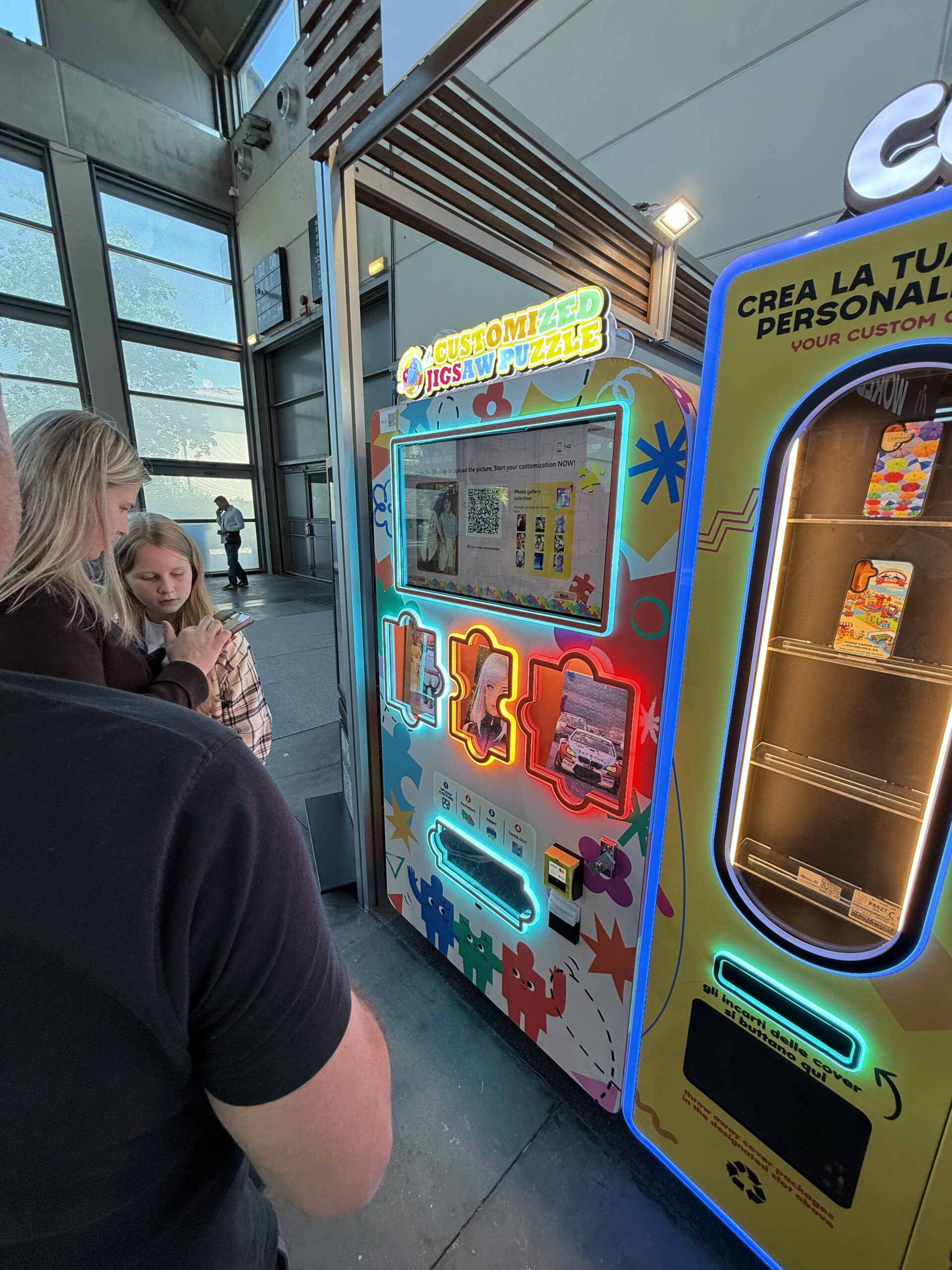
Which means the honest description of what you are running is this. You are operating a system that collects photographs of identifiable people, frequently children, from members of the public, and stores them somewhere.
Almost nobody entering this category has decided how long those images stay, who can see them, or what happens if somebody asks. Those are the questions that matter.
General information, not legal advice. Privacy and consumer protection rules vary by state and are changing quickly. Use this to understand which questions to ask your supplier and your advisers before you install anything.
Where this comes from: setting up vending businesses legally is what we do. Print on demand machines look like ordinary vending and carry obligations closer to those of a photo processing business.
The Question Nobody Asks the Supplier
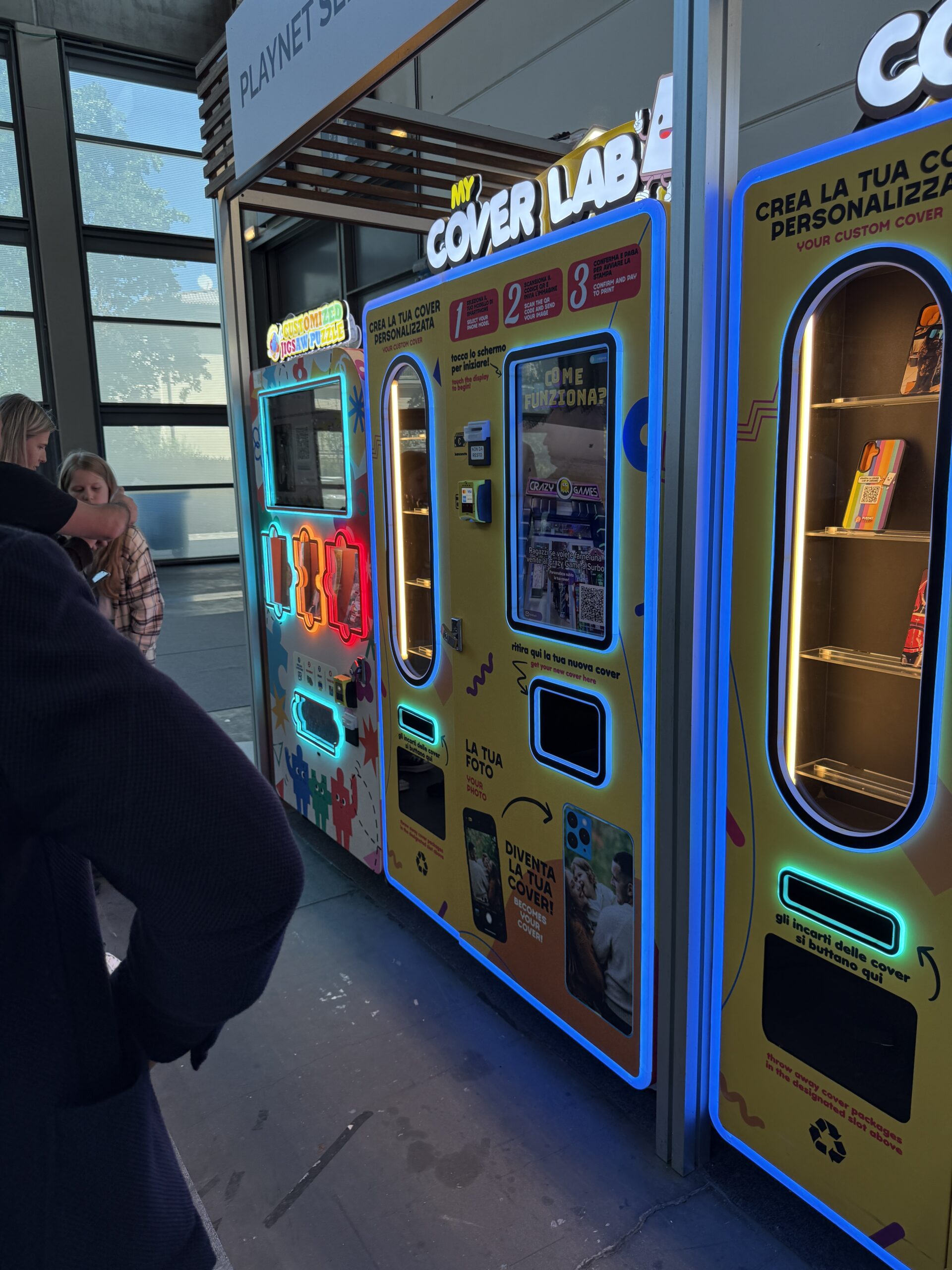
When a customer scans the code and uploads a photograph, that image travels somewhere. It reaches a server, gets processed, and is sent to the machine to print. The part operators never establish is what happens on that server after the print finishes.
Ask your supplier these five questions in writing before you buy anything, because the answers determine your exposure and you cannot change them afterwards:
- Where are uploaded images stored, and in which country? Some platforms process abroad, which is a question worth knowing the answer to rather than discovering.
- How long are they kept? The correct answer for most operators is deleted shortly after printing. If the answer is indefinitely, you need a very good reason for that and a policy explaining it.
- Who can access them? Can you see them, can the manufacturer, can any third party. Each answer creates a different obligation.
- Are they used for anything besides printing? Training, quality monitoring or anything else. This has to be disclosed if it happens.
- Who is responsible if they are breached? A database of family photographs is a meaningful incident, and the contract should say who carries it.
The position we would recommend to any operator: delete after printing, as a default, with a short defined window for reprints if a customer complains. Retention is a liability that accumulates quietly and delivers almost no benefit in this business. The fewer photographs of other people’s children you are holding, the smaller every other problem on this page becomes.
Photographs of People Are Personal Information
A growing number of states now have comprehensive consumer privacy laws, and an identifiable photograph of a person generally falls within what they protect. That brings obligations you would not associate with a vending machine.
- Tell people what you collect and why, at the point of collection rather than in a policy nobody opens. On these machines that means on the upload screen, in plain language.
- Collect only what you need. An email address for a receipt is defensible. An account, a phone number and a marketing opt in bundled into a five dollar purchase is harder to justify.
- Be able to honour a request. If somebody asks what you hold about them or asks you to delete it, you need a way to answer. Short retention makes this trivial and indefinite retention makes it a project.
- Never sell or share the images. Obvious, and worth stating in your policy because people will assume the worst otherwise.
- Be extremely careful with anything that analyses faces. Automatic cropping that detects a face is one thing. Anything that identifies or measures a person moves toward biometric territory, which carries serious exposure in several states including a private right of action in at least one.
That final point is the one to raise with your supplier explicitly. Some personalisation software includes face detection for framing, and the distinction between detecting that a face is present and creating any kind of facial template is a legally significant one that a sales conversation will not surface on its own.
Most of Your Uploads Contain Children
This is not a hypothetical risk, it is the ordinary operation of the business. A family photo puzzle contains children by definition, and at an aquarium or a theme park the majority of what people upload will include a child.
That deserves more care than the rest of the category combined:
- Keep retention as close to zero as the system allows. Everything above applies with more force here. A stored archive of children’s photographs is the single worst thing this business can accumulate.
- Restrict access severely. Whoever can view uploaded images should be a very short list with a documented reason, not a general administrator login shared across a route.
- Understand what your moderation actually does. If images are reviewed by a person, who, where and under what controls. If reviewed automatically, what happens when something is flagged.
- Have a reporting route. If genuinely illegal material is ever uploaded, you need a defined procedure and somebody who knows it, decided in advance and not improvised during an incident.
- Be careful with any account or marketing feature. Rules around collecting information from children are strict, and a machine aimed at families should not be gathering personal details as a condition of purchase.
Content Screening Is Not Optional
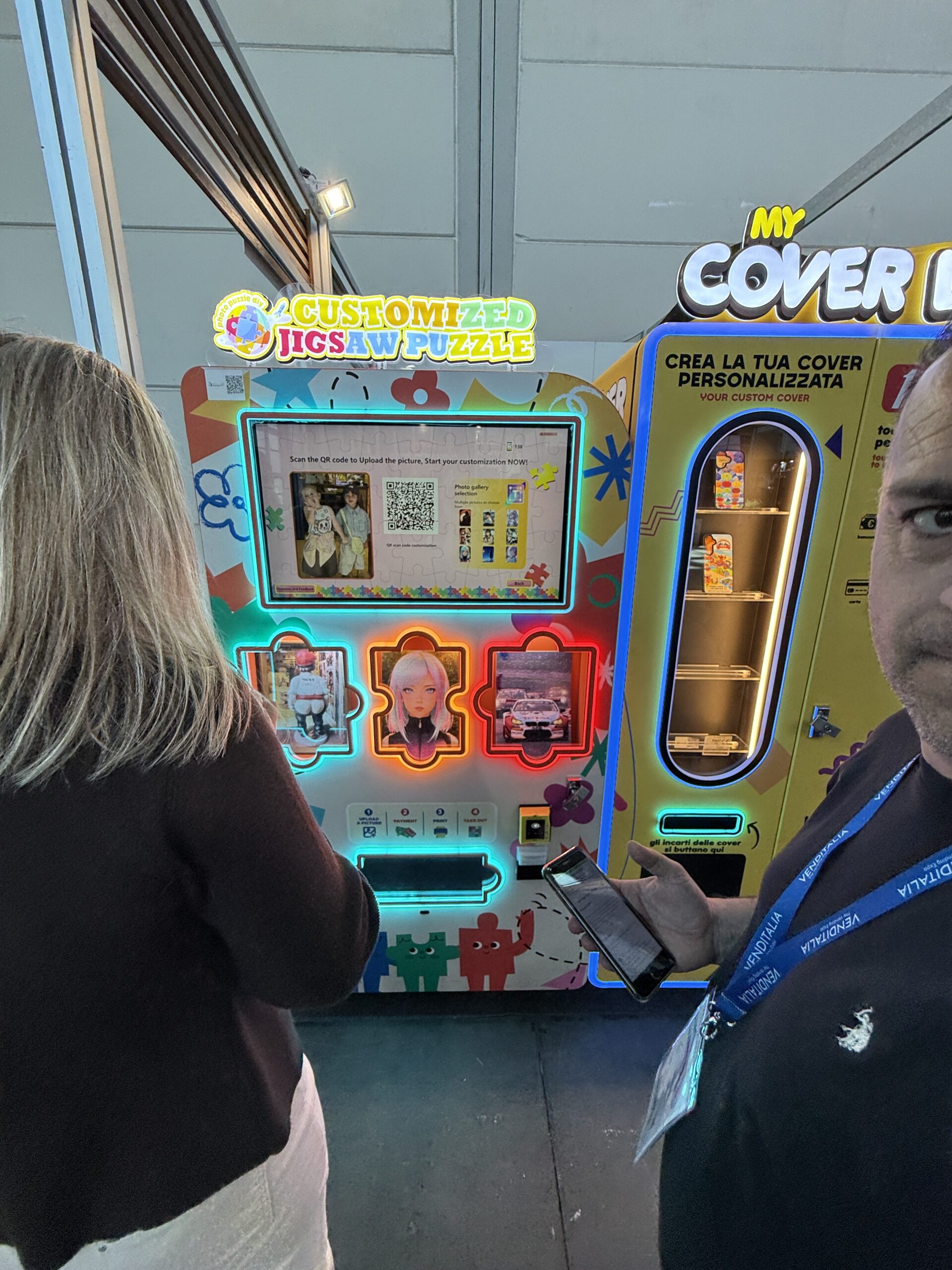
A machine that prints whatever it is given, in a public place, unattended, is a problem waiting to happen. Every venue will ask about this and they are right to.
A workable approach has four parts:
- Terms before every upload. Short, clear, and requiring an affirmative action rather than buried in a link. The customer confirms they have the right to use the image and that it is not unlawful or offensive.
- Automated screening. Most platforms offer detection for explicit content. Establish what yours actually catches rather than assuming it handles everything.
- A human route for anything flagged. Automated systems produce both misses and false positives, and both need somebody who can decide.
- A way to stop a machine quickly. If something goes wrong at a site, being able to disable it remotely within minutes is worth a great deal.
Terms alone do not transfer the problem to the customer. A ticked box helps your position and it does not stop a venue ending your agreement or prevent the reputational consequence of something being printed in their lobby. The screening has to be real.
The Image May Not Be Theirs to Print
Beyond privacy, two older rights apply to customer supplied photographs, and both sit with you as the party doing the printing.
| Right | Who holds it | Where it bites |
|---|---|---|
| Copyright | Whoever took the photograph | Professional portraits, school photos, wedding images. The subject frequently does not own them |
| Right of publicity | The person pictured | Printing somebody’s likeness without consent, celebrity or not |
| Trademark | The brand owner | Logos and characters appearing in an uploaded image |
The first row catches people constantly and is worth flagging in your terms specifically. A parent uploading their child’s school portrait almost certainly does not own the copyright in it, and a wedding photograph usually belongs to the photographer. Neither customer is doing anything malicious and the print is still an unlicensed reproduction.
The practical mitigation is a clear confirmation at upload, real screening for obvious commercial imagery, and a prompt takedown and refund process if a rights holder ever contacts you.
You Are Also Manufacturing a Product
Easy to forget amid the privacy questions. The machine is producing a physical object and selling it to a consumer, which brings its own obligations.
- If children will use it, children’s product rules apply. A jigsaw puzzle aimed at families is a children’s product, which brings safety testing, certification and small parts considerations. Establish that your blanks are certified rather than assuming.
- Imported blanks make you the importer. With the certification duties that carries, exactly as with any other imported product.
- Refunds are yours. A print somebody is unhappy with, a failed order, a machine that took payment and produced nothing. You are the retailer and you need a process.
- Set expectations about image quality. A warning when a low resolution photo is uploaded protects the customer and protects you from the complaint that follows.
- Ordinary vending licensing still applies. Vending licences, decals and local business licensing depending on where each machine stands.
Who Is Responsible, You or the Software Company?
A question that seems technical and is the foundation of your whole position. These machines run on a platform somebody else built, and the contract between you and that supplier allocates responsibilities you may not realise are being allocated.
Read it specifically for these points, because suppliers draft it in their own favour and operators sign it without looking:
- Who is the controller of the uploaded images? If the contract makes you responsible for data held on a platform you do not operate, you have accepted a liability you cannot practically manage.
- Whose terms is the customer accepting at upload? Frequently the platform’s rather than yours, which affects who a complaint lands on and what it is worth.
- What does the supplier warrant about screening? A promise that content is filtered is only meaningful if the contract stands behind it. Many describe it as a feature rather than an obligation.
- Who notifies a breach, and within what period? If their server is compromised, you may carry notification duties and need to hear about it quickly rather than eventually.
- Can you export or delete data on request? If a customer asks you to delete their image and you have no mechanism, you have a problem regardless of who technically holds it.
- What happens if the supplier stops trading? These machines depend on a live service. An unsupported unit is a large object that no longer prints.
The practical position is straightforward. To your customer and to the venue, it is your machine and your name on the complaint, whatever the supplier contract says between you. Negotiate accordingly, and treat a supplier unwilling to answer these in writing as a warning about the rest of the relationship.
Put These in the Venue Agreement
- Who handles a complaint about something that was printed, and how fast
- Your content screening approach, stated plainly so the venue can rely on it
- Whether the venue may require the machine disabled immediately in an incident
- Who is responsible for refunds on a failed order
- Confirmation that images are not retained beyond your stated window
- Space and power for the full installation rather than one unit
The disable clause is worth offering rather than waiting to be asked. A venue that knows the machine can be stopped within minutes is far more comfortable hosting it, and our partners at VPlaced find it removes the main objection at family venues.
One further clause worth negotiating into the venue agreement is what happens to pending orders if the machine is removed or the agreement ends mid print. It sounds trivial and it is the kind of small, unresolved question that produces an angry customer standing in somebody else’s lobby with no product and no refund route.
How We Help
- Interrogating the supplier properly. The five storage and retention questions above, asked in writing, with the answers reviewed rather than accepted.
- Drafting the upload terms so they are short enough that people read them and substantive enough to be worth something.
- A privacy position that fits the business, covering what you collect, how long you keep it and how a request gets handled.
- Content and incident procedures written before you need them rather than during.
- Product side compliance on blanks, certification and importer duties.
- Entity, tax and vending licensing across the jurisdictions your machines will stand in.
You can see the full scope on our services page, follow the process on how we work, begin through Order Now, or talk to us first. On the equipment side, how a machine handles uploads and screening is a specification question worth settling before purchase, whether through VMFS USA custom builds or the wider shop. Presentation sits with VMarketed, and once machines are live and compliant, listing them on VendingFinder helps customers find them.
Before You Install
- Where are uploaded images stored, and for how long?
- Can you delete an image on request, and how quickly?
- Who has access to stored images, and is that list short?
- Does anything in the software analyse faces rather than merely detect them?
- Are terms shown before every upload, requiring an affirmative action?
- What does automated screening actually catch, and who reviews flags?
- Can you disable a machine remotely within minutes?
- Are your blanks certified where children’s product rules apply?
- Who is the importer of record for the blanks?
- Is there a refund process for failed or disappointing prints?
- Does the venue agreement cover screening, disabling and complaints?
Frequently Asked Questions
What is the biggest legal risk with personalisation vending?
The photographs themselves. Operators focus on copyright, but the ordinary use of these machines involves collecting images of identifiable people, frequently children, from the public. How long those are stored, who can see them and what happens on a deletion request matter more day to day than the occasional cartoon character.
How long should uploaded images be kept?
As briefly as the system allows. Delete shortly after printing, with a short defined window for reprints if somebody complains, is the position we would recommend to most operators. Retention accumulates liability and delivers almost no benefit in this business.
Do terms and conditions protect me if somebody prints something they should not?
They help your position and they do not transfer the problem. A ticked box will not stop a venue ending your agreement or undo something being printed in their lobby. Terms need pairing with real automated screening, a human review route for flagged content, and the ability to disable a machine quickly.
Can customers print professional photographs of themselves?
Frequently not, and this catches ordinary customers rather than bad actors. Copyright in a school portrait or wedding photograph usually belongs to the photographer rather than the subject, so a parent printing their child’s school photo is technically making an unlicensed reproduction. Flag this in your upload terms specifically.
Decide What Happens to the Photographs
We interrogate your supplier on storage and retention, draft upload terms worth having, and build the screening and incident procedures this format needs before you install anything.