Legal & Compliance | Fresh Juice Vending | By the VAdviced Team | August 2026
Somewhere in the FDA’s rules sits a single warning statement that a lot of juice machine operators have never read, and whether it belongs on your bottles can be the difference between a compliant business and a serious liability. Selling freshly squeezed juice is nothing like stocking a row of sodas. The instant a machine presses raw fruit and hands over unpasteurized juice, you are operating under food safety law, with the FDA, your health department, and your state each having a say. This guide covers the rules that genuinely apply to a fresh juice machine, the big one almost everyone overlooks, and how to line it all up before you ever switch it on.
Quick but important note: this is general information, not legal advice. Juice and food rules vary by state and city, and how they apply to a specific machine can be fact dependent, so use this as a map of what to look into and confirm the details for your situation with a qualified professional.
Why Fresh Juice Is a Legal Category of Its Own
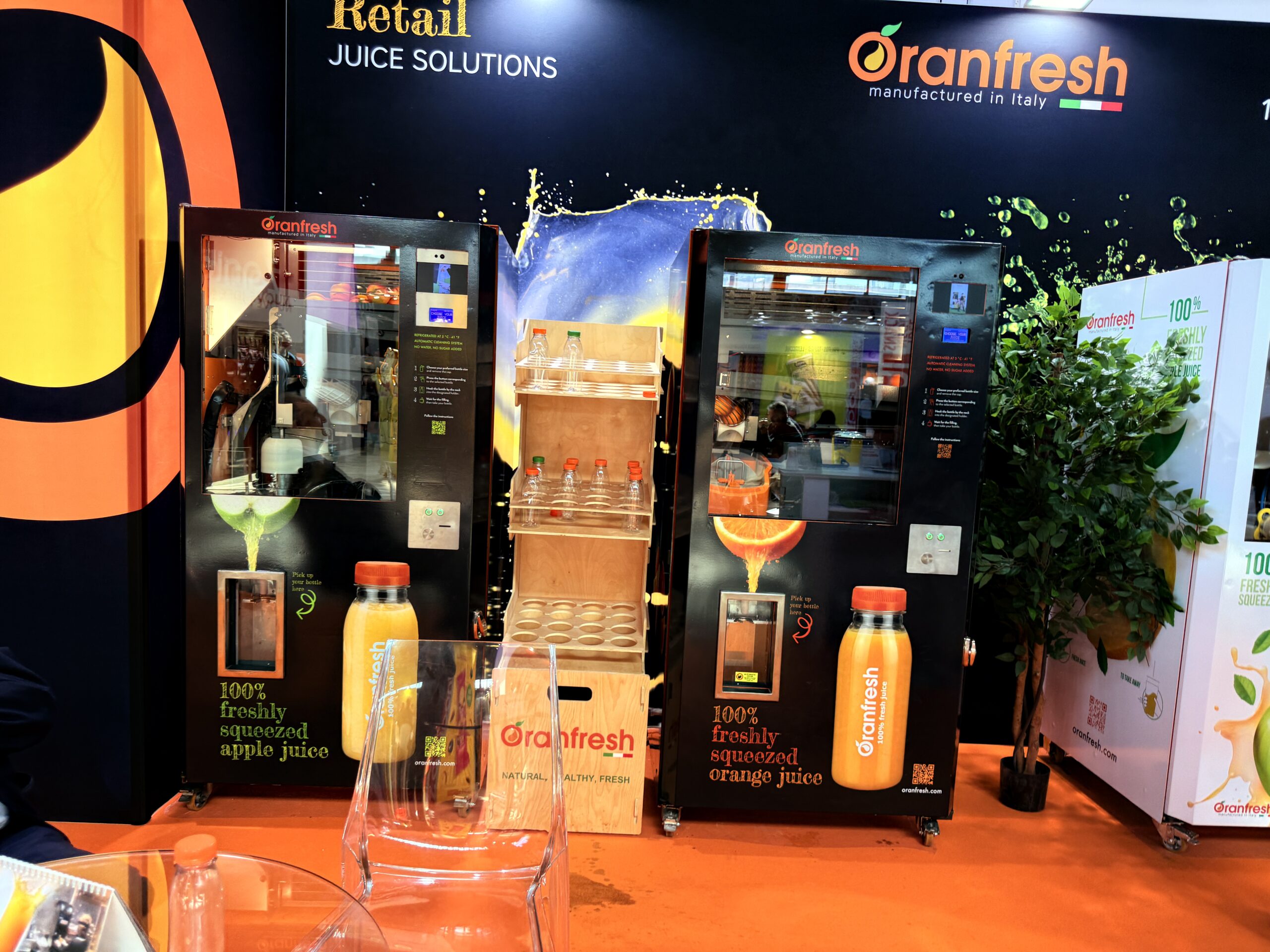
Vending is a huge, mature business. The global retail vending market was worth around 75 billion dollars in 2025, with beverages the single largest segment, according to Grand View Research. Most of that beverage volume is sealed, shelf stable product with very light regulation. Fresh squeezed juice is the opposite. It is perishable, it is usually unpasteurized, and it is made on the spot from raw fruit, which means it is regulated as fresh food, not as a packaged drink.
That distinction is the whole reason this post exists. A sealed soda answers to almost nothing. Fresh juice answers to the FDA, to your state and local health department, and to the general rules that govern selling food to the public. None of it is a reason to avoid the product, the margins and the demand are excellent, but it does mean the legal groundwork is not optional. Our overview of vending machine legal requirements is a good starting point, and this guide layers the fresh juice specifics on top.
The Big One: FDA Rules on Unpasteurized Juice
This is the part almost everyone misses, and it is the most important section here. The FDA has two rules aimed squarely at juice. The first is the Juice HACCP regulation (21 CFR Part 120), which requires juice processors to run a formal food safety system. The good news is that a retail establishment, meaning an operation that makes juice and sells it directly to consumers rather than distributing it to other businesses, is generally exempt from full Juice HACCP. A machine that squeezes and sells straight to the customer usually falls on the retail side of that line.
The second rule is where the catch is. Under 21 CFR 101.17(g), packaged juice that has not been treated to reduce pathogens, which is exactly what fresh squeezed, unpasteurized juice is, must carry a specific warning label. Juice bars and restaurants that serve juice by the glass for immediate, on site drinking are exempt from that label. But juice that is packaged into a sealed bottle for the customer to take away is not, and it generally must carry the warning. A fresh juice vending machine fills a bottle you carry off, so in most readings it lands on the packaged side and needs that label unless the juice has been treated to achieve the required pathogen reduction.
The FDA warning statement for untreated juice reads: “WARNING: This product has not been pasteurized and, therefore, may contain harmful bacteria that can cause serious illness in children, the elderly, and persons with weakened immune systems.”
How this applies to your exact setup can get nuanced, particularly where the fruit is sourced and whether any treatment is involved, so it is worth confirming rather than guessing. This is precisely the kind of question our team at VAdviced exists to sort out, because getting the labeling wrong on unpasteurized juice is not a small oversight, it is a genuine safety and liability issue.
Business Licensing and Permits Come First
Before any of the juice specific rules, you need the basic business foundation in place. That generally means a registered business entity, a business license, a seller’s permit for collecting sales tax where your state taxes vending, and a federal tax ID. Many operators form an LLC for a vending machine business to separate personal and business liability, which matters far more when you are selling food people consume. If you are weighing structures, our guide on how to incorporate a vending machine business lays out the choices.
Tax is easy to get wrong and costly to fix later, since vending sales are taxed differently across states and food can be treated differently again. Our breakdown of vending machine tax covers how to collect and remit correctly from the start. Some municipalities also require a specific vending permit per machine or per location on top of all this.
Health Department and Food Permits
Because you are selling fresh food, your local or state health department almost certainly has a say. Most jurisdictions require a food establishment permit or a similar health license before you can sell fresh juice from a machine, and the review usually looks at where the fruit comes from, how it is stored and handled, how the machine holds and dispenses the juice, and how cleaning and restocking are managed. A recurring surprise for new operators is that the fruit or juice often has to originate from an approved, licensed source rather than a home kitchen. Our guide on food safety rules for a food vending machine goes deeper on the fundamentals that apply across the board.
Temperature, Sanitation, and Records
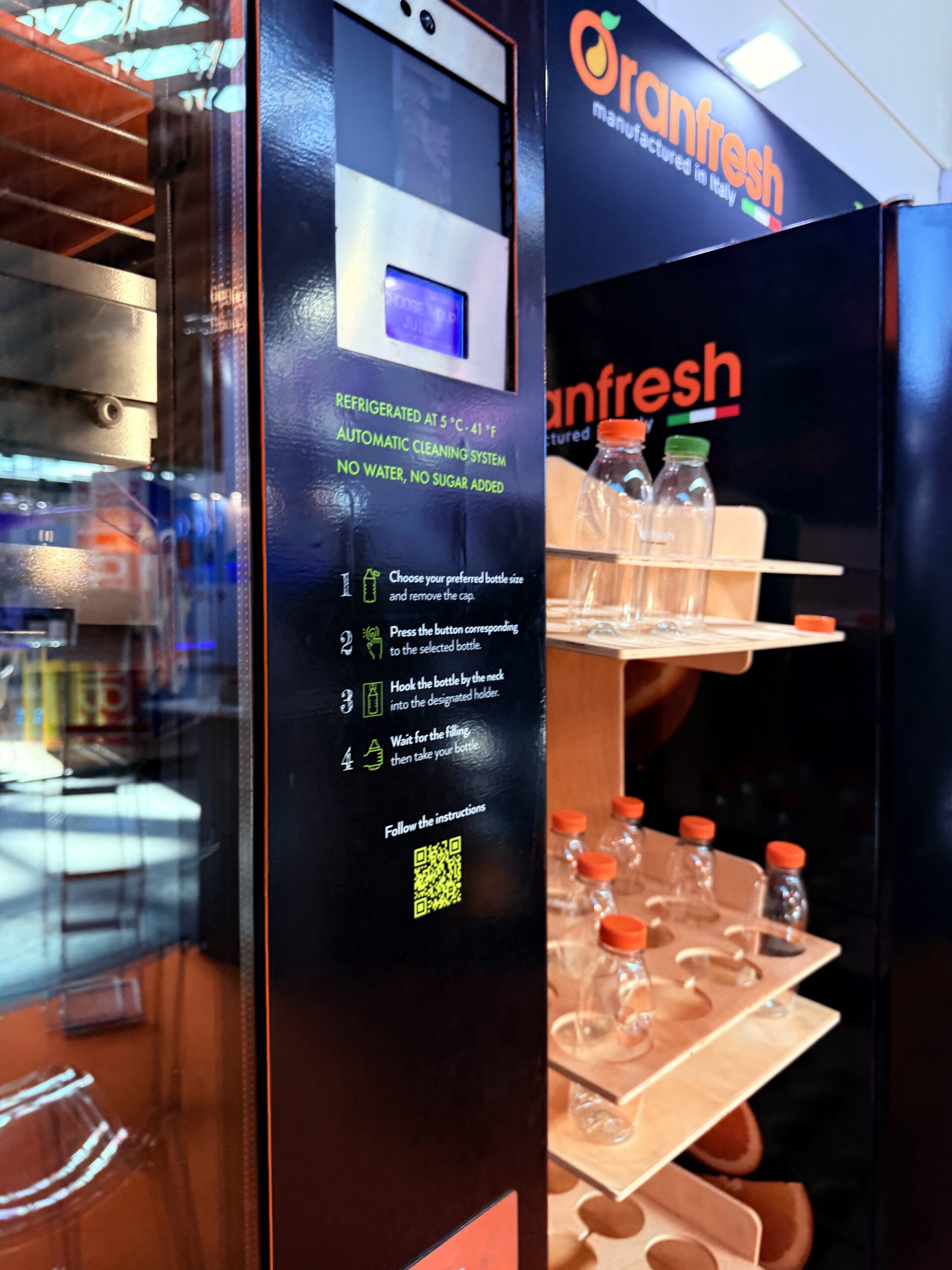
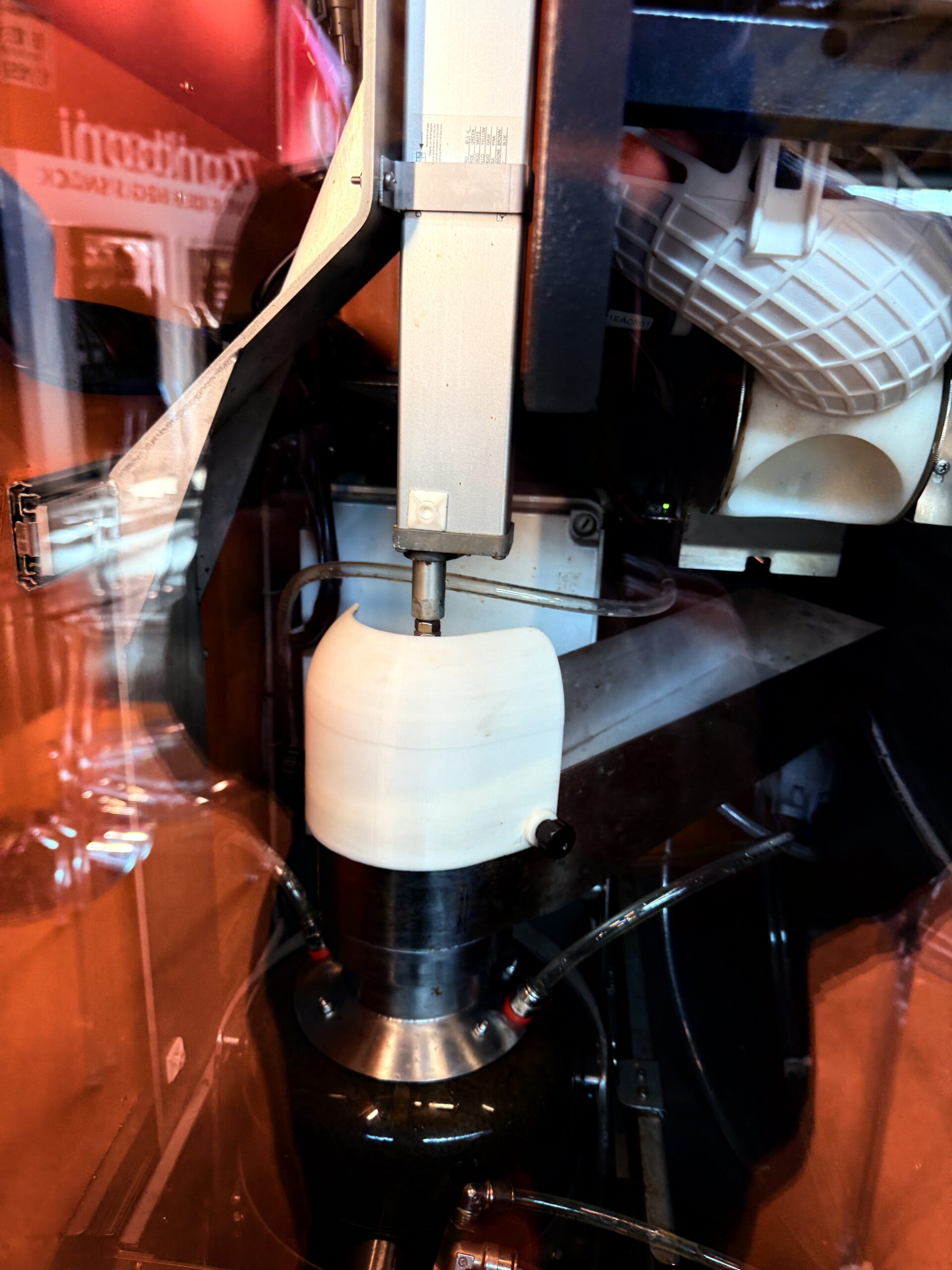
Fresh juice has to be kept cold, and increasingly you have to be able to prove it was. Regulators expect perishable product to stay within a safe temperature range continuously, and a machine selling juice needs to hold both the fruit and the finished product chilled at all times. Many authorities want records showing the machine maintained temperature, which is where a unit with built in monitoring earns its keep. Sanitation matters just as much, since anything that squeezes and handles juice must be kept clean to a standard a health inspector will check. A machine with an automatic cleaning system reduces the manual burden here, but you still need a documented routine.
This is one area where the hardware genuinely helps you stay compliant. Choosing a refrigerated, self cleaning machine from a reputable range of vending machines is not just an operational decision, it is a compliance one, because the right equipment makes meeting these requirements far easier than fighting them with a machine that was never built for fresh product.
Labeling Beyond the Warning
The unpasteurized warning is the headline, but it is not the only labeling to think about. Packaged juice generally needs basic product information, and depending on how you present and sell it, that can include the product identity, net quantity, and the name and place of the responsible business. Pure single ingredient orange juice keeps this simple, but the moment you blend, add anything, or make any claim, the labeling obligations grow. Getting the label right protects you and reassures the health department that you know what you are doing.
Liability and Insurance
Selling fresh, unpasteurized food to the public carries real liability, more than most vending. If a product makes someone ill, the operator can be exposed, which is exactly why the entity structure and proper insurance matter so much here. Product liability coverage, and confirming your general policy actually covers food sales, is a sensible step before you go live. It is also worth having a simple plan for the rare case of a contamination scare, including how you would quickly disable the machine and pull affected product. Operators who set this up properly are in a completely different position if something ever goes wrong.
It Varies by State, City, and Venue
There is no single national checklist that covers every situation, because on top of the federal FDA rules, states and even cities add their own food and vending requirements, and the venue can add more. A machine in a hospital or a school may face stricter rules than one in a gym or a mall. Where you place the machine can therefore change what applies, which is why compliance and location are best planned together. If you are still mapping out the business, our guide on how to start a vending machine business and our state specific licensing pages, such as whether you need a license to operate food vending machines in California, help you find your own jurisdiction.
Since location drives which rules apply, it pays to coordinate the two. Our partners at VPlaced handle finding and securing the right locations, and once you know where the machine is going, the legal picture gets much clearer to finalize. When it is time to actually pitch and land those spots, VMarketed handles the placement side, so the machine, the location, the compliance, and the pitch all move together.
What This Looks Like in Practice
Picture an operator ready to place a fresh juice machine in a gym. Before signing anything, they form an LLC, register for sales tax, and check the city for a vending permit. They contact the local health department, confirm they need a food establishment permit, and line up an approved source for the oranges. They choose a refrigerated, self cleaning machine and set up temperature records. They add the FDA warning statement to the bottle labeling because the juice is fresh and unpasteurized, and they confirm their insurance covers food sales. It sounds like a lot, but done up front it is a few weeks of work that turns into years of clean operation.
Now picture the operator who skips all that to move fast. The first health inspection or the first complaint about a missing warning label can mean fines, a forced shutdown, or worse if someone gets sick. The product is identical in both cases. What separates the real business from the problem waiting to surface is nothing more than the groundwork that happened before the machine was ever switched on.
Fresh Juice Compliance Checklist
Before switching on a fresh juice machine, run through this. Have you formed a business entity and secured a business license? Are you registered to collect and remit sales tax, and do you have any required local vending permit? Have you obtained the health department or food establishment permit for your area? Is your fruit or juice coming from an approved, licensed source? Does the machine hold everything refrigerated, with temperature records you can produce? Is there a documented cleaning and sanitation routine? Does your packaged juice carry the FDA unpasteurized warning statement, and any other required label information? And do you have product liability insurance that covers food sales? Tick every one and you are operating on solid legal ground.
Frequently Asked Questions
Is it legal to sell fresh squeezed juice from a vending machine?
Yes, but it is regulated as fresh food rather than as a packaged drink. You generally need business licensing, a health department or food permit, temperature controlled equipment, and correct labeling, including the FDA warning statement for unpasteurized juice. The exact requirements vary by state and locality, so confirm your own jurisdiction before launching.
Does fresh juice from a machine need a warning label?
Usually yes. Under FDA rules, packaged juice that has not been pasteurized or treated to reduce pathogens must carry a warning statement. Because a machine bottles the juice for the customer to take away rather than serving it by the glass for immediate consumption, it generally falls under that packaged juice requirement.
Do I need a food permit for a juice vending machine?
In most places, yes. Selling fresh, perishable juice typically requires a food establishment permit or similar health license from your local or state health department, and the fruit or juice often has to come from an approved, licensed source. Requirements differ by jurisdiction, so check locally.
What happens if I skip the legal steps?
You risk fines, a forced shutdown, and serious liability if someone gets sick, especially with unpasteurized juice. Setting up the entity, permits, labeling, and insurance correctly at the start is far cheaper and safer than fixing a problem after a machine is already placed and selling.
Selling Fresh Juice From a Machine?
VAdviced handles the legal side of vending, from entity formation and permits to the food safety and labeling rules that come with selling fresh, unpasteurized product. Get it set up right before your machine goes live.