Legal & Setup | Tea Vending | By the VAdviced Team | September 2026
A tea vending machine looks like the gentlest thing an operator could run. No refrigeration, no cold chain, no dated product, no oven. Compared to almost anything else in hot food or fresh beverage it is a quiet, simple, low risk business.
In most respects that is true. But the product is defined by one property that sets it apart from every other machine in this industry, and it is worth naming plainly.
Good tea requires water at or very near boiling, and that is hot enough to cause a serious burn in under a second. The specification that makes your product worth buying is the same specification that creates your principal legal exposure, and those two things cannot be separated.
That, plus the fact that you are now connecting equipment to a building’s drinking water supply, is what this article is about.
General information, not legal advice. Food service, plumbing and product liability rules vary by state and county. Use this to understand which questions to ask, then confirm the position for your own equipment and sites.
Where this comes from: setting up vending businesses legally is what we do. Hot beverage machines carry a specific and well documented liability profile that operators tend to discover rather than anticipate.
The Exposure Everybody Has Heard About and Nobody Has Read
Every operator knows there was a famous hot beverage burn case. Almost none know what it actually established, and the popular version is close to the opposite of the real one.
What matters for you is not the headline but the principle underneath it, which is straightforward and durable:
- Serving a hot drink is not negligent in itself. Hot drinks are meant to be hot and customers understand that. Nobody is suggesting you cannot sell tea.
- What matters is whether you knew of a hazard and did nothing. A pattern of complaints, spills or injuries that an operator was aware of and failed to address is the fact pattern that creates real difficulty.
- Warnings matter, and inadequate ones matter more. A warning too small, too obscure or absent entirely is worse than none at all in terms of how it reads afterwards.
- The vessel is part of the product. A cup that cannot be held, or a lid that fails, contributes to an injury even when the liquid temperature was appropriate.
- Unattended matters. There is no member of staff handing the cup over, checking the lid or noticing a hazard. Everything the machine does is a design decision you made.
The practical position we would give an operator: do not reduce your water temperature to manage risk, because it destroys the product and does not actually protect you. Manage the hazard where it can be managed, which is the cup, the lid, the warning, the dispense design and your response to any complaint. A machine making excellent tea safely is entirely achievable. A machine making poor tea is simply a machine nobody buys from.
What Reasonable Care Looks Like in Practice
None of this is expensive. All of it is far easier to arrange in advance than to explain afterwards.
- Specify a cup that handles boiling water. A double wall or insulated cup is a genuine safety component rather than a premium touch, because a cup somebody cannot hold gets dropped.
- Provide lids and make them easy to fit. People carry tea. A lid that requires two hands and a flat surface will not be used.
- Display a clear, legible warning at the dispense point. Not on the back panel, not in small print. Where somebody looks while the cup is filling.
- Design the dispense area properly. A recess deep enough that a cup cannot be knocked, stable enough that it will not tip, and positioned so somebody is not reaching over the stream.
- Think carefully about placement height. A dispense point at child height in a family venue or a clinic waiting area is a decision worth making deliberately, not by default.
- Respond to every complaint and record it. This is the single most important item on the list. An operator who logged a concern and acted on it is in an entirely different position from one who heard it and moved on.
That last point is worth building into your routine. A short written record of any reported spill, burn or complaint, what was done about it and when, costs minutes and is close to impossible to reconstruct later.
You Are Connecting to the Drinking Water Supply
The second regulatory track, and the one operators moving over from snack vending never anticipate. A plumbed hot beverage machine brings the water utility and the local plumbing authority into your project alongside the health department.
- Backflow prevention is generally required. Their concern is not your product, it is protecting the public supply from anything flowing back into it. The device type and testing interval are usually specified rather than left to you.
- A plumbing permit and inspection for the connection in most jurisdictions, done by a licensed plumber rather than informally.
- Components in contact with drinking water are expected to meet recognised standards for materials, including lead content limits. Ask your supplier to confirm this in writing.
- Drainage has its own requirements. Where waste water goes is a separate question from where clean water comes from, and it is easy to overlook until installation day.
- Agree ownership of the work. If you fund a permanent plumbing installation in somebody else’s building, establish in writing what happens to it when the agreement ends.
Where a Tea Machine Sits in Food Regulation
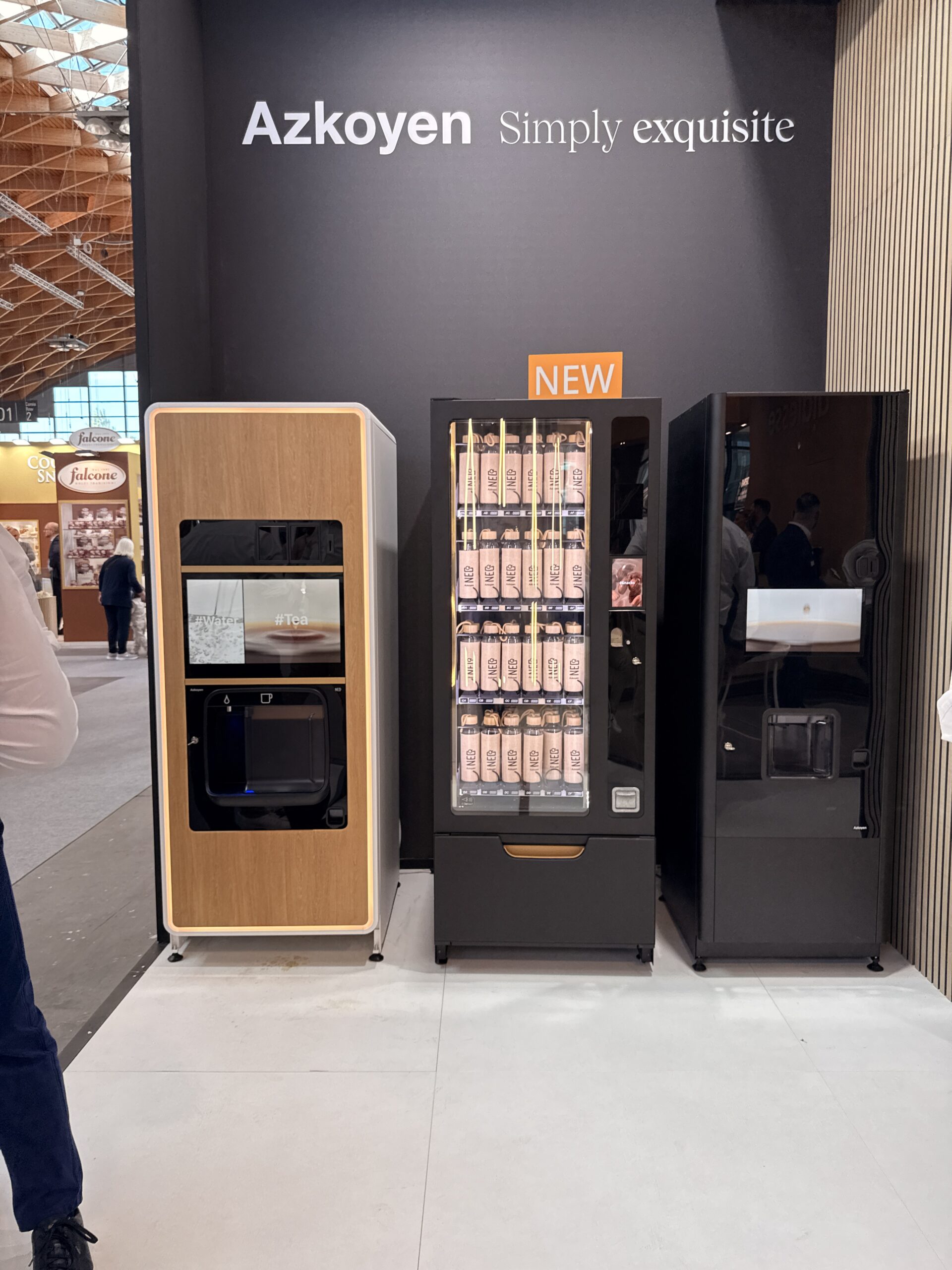
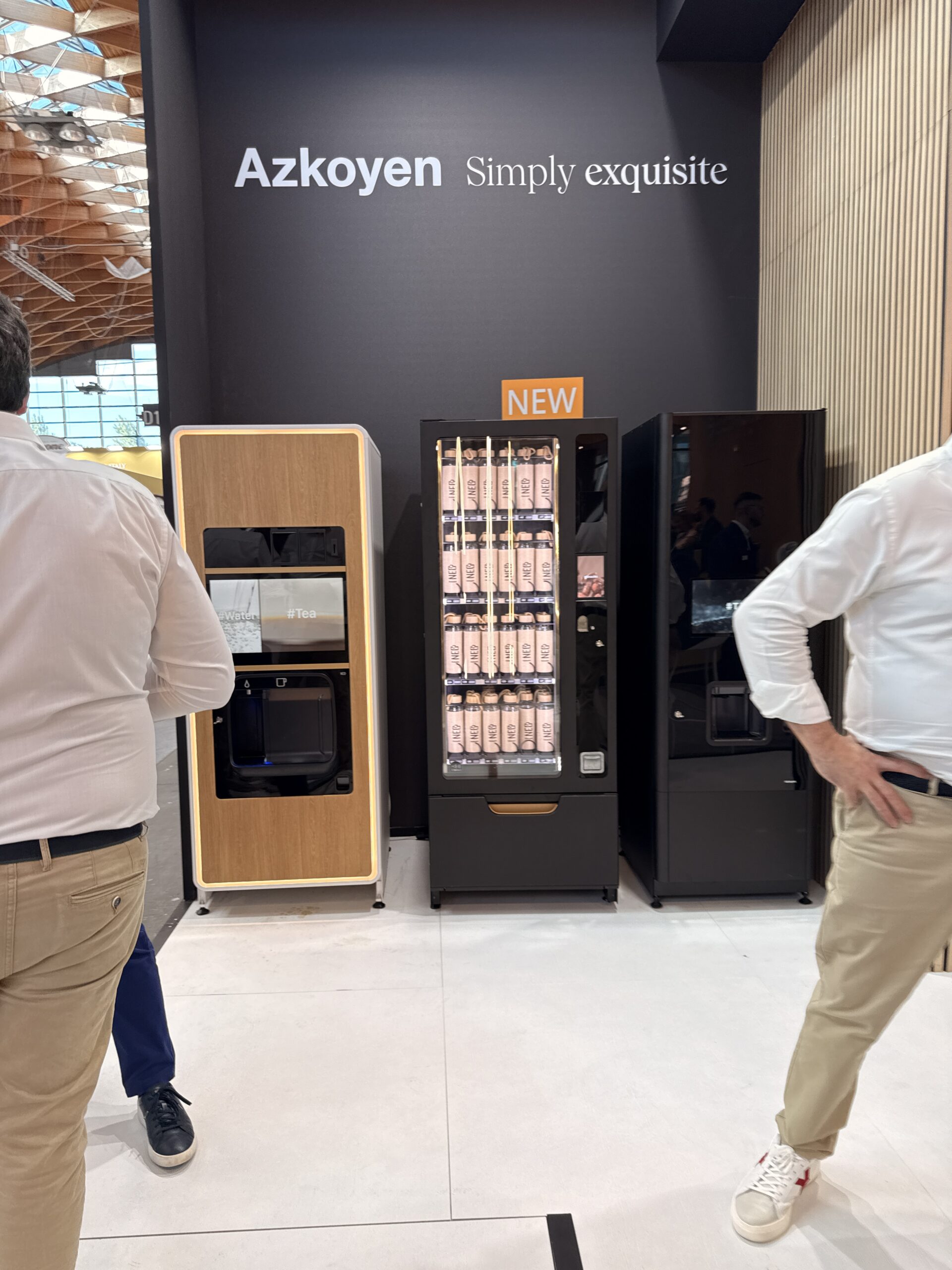
Better news here. A tea machine sits in one of the lighter brackets available in hot beverage vending, and it is worth understanding why so you can make the argument if a health department is uncertain.
| Factor | Position |
|---|---|
| Temperature control for safety | Dry tea and hot water are not time and temperature control foods, so the cold holding regime that governs fresh food does not apply |
| Milk changes this | Fresh milk is a different matter entirely. Powdered whitener avoids it, fresh milk brings refrigeration and its own obligations |
| Permits | Usually a vending machine permit rather than a full food establishment permit, though this is decided locally |
| Commissary requirement | Several jurisdictions still require operators to maintain a licensed base for storage and servicing, regardless of product |
| Cleaning and sanitation | Expected and inspected. Water contact surfaces, dispense nozzles and any whitener system all count |
The milk row is the decision point that determines how heavy your obligations become. A machine using powdered whitener is a meaningfully simpler operation than one carrying fresh milk, and that is worth weighing at purchase rather than later.
The Herbal Tea Question
A genuinely overlooked area, and one that becomes relevant the moment you stock anything beyond ordinary black and green tea.
- Be careful with health claims. Describing a tea as relaxing, detoxifying, immune boosting or sleep promoting moves you from describing a product into claim territory, which is regulated. Naming the ingredient is safe. Promising an effect is not.
- Some botanicals carry real cautions. A number of herbal ingredients are not recommended during pregnancy or alongside certain medications. If you stock them, that information should be reachable on the machine.
- Allergens apply to tea too. Fruit and herbal blends can contain allergens, and some include ingredients people react to. The nine major allergens still apply.
- Caffeine content should be clear. Somebody choosing herbal tea in the afternoon is frequently choosing it specifically to avoid caffeine, and green tea contains more than many people assume.
- Buy from established suppliers. A recognised tea brand has already handled sourcing, labelling and compliance. Unbranded bulk product transfers all of that to you.
The Screen Is Your Label
Your customer chooses and pays before they see any packaging, which means disclosure happens on screen or it does not happen.
- Allergen information before payment, covering the tea, any whitener and any sweetener.
- Ingredients reachable on screen, particularly for blends where somebody may be avoiding a specific botanical.
- Caffeine status by selection, which is information a meaningful share of your customers are specifically looking for.
- Calorie disclosure where it applies, since operators above a certain machine count fall within federal vending rules. Establish whether that is you rather than assuming.
- Contact details on the machine, frequently required and always sensible when nobody on site can answer a question for you.
The Ordinary Setup Still Applies
- Business entity. An LLC or similar separating personal and business liability, which matters here because your exposure is injury related rather than purely commercial.
- Sales tax registration and a resale certificate. Standard retail sales, with hot prepared beverages sometimes treated differently from packaged goods.
- Vending licence and per machine decals where your state or city requires them.
- Insurance that explicitly covers hot beverage service. Ask your broker directly about burn and scald claims and about plumbed equipment in client premises. Get both answers in writing before installation.
- Food handler certification for whoever services the machine, which several jurisdictions expect even for a light food operation.
Water Quality Is a Compliance Question, Not Just a Taste One
Operators think about filtration as a product decision, because hard water makes poor tea. It is also a maintenance and obligation question, and the two are worth separating.
- You are serving water from somebody else’s building. You did not treat it and you do not control it, which is worth understanding when a venue has its own water quality issue.
- Filters have a service life and it is enforceable in practice. A filter left in past its interval stops performing and can become a problem in its own right rather than simply ceasing to help.
- Record filter changes. Date, machine, who did it. It takes seconds and it is the kind of record that matters when somebody asks.
- Stagnation matters in low use machines. Water sitting in lines over a long weekend or a holiday closure is a genuine consideration, and flushing on return should be part of your routine.
- Descaling is not optional. A machine boiling water all day accumulates scale, which degrades performance, affects temperature stability and eventually damages the equipment you rely on.
- Ask what the venue knows. If a building has had water quality problems, you want to hear about it before your machine becomes the visible symptom.
None of this is difficult and all of it belongs in a written service routine rather than in somebody’s memory, particularly across a route where different machines were installed at different times.
Put These in the Placement Agreement
- Who pays for the plumbing, and who owns the installation when the agreement ends
- Who pays for the water itself, which is easy to overlook and awkward to raise later
- Responsibility for leak and water damage, which matters enormously in a finished interior
- How an injury or complaint is reported and escalated, and to whom
- Confirmation that the venue will not relocate the machine without discussing dispense height and surroundings
- Access for the servicing and descaling the machine requires
The relocation clause is worth including and rarely thought of. A machine moved by a venue from a quiet lounge to a corridor beside a play area is a different risk profile, and you want to be part of that decision. Our partners at VPlaced build these terms into placements.
How We Help
- Establishing what your county requires for a hot beverage machine, since classification and commissary requirements are decided locally.
- Plumbing approvals and backflow requirements, settled at the placement stage rather than on installation day.
- Reviewing what the machine displays, covering allergens, caffeine, any health claims on herbal products and the warning at the dispense point.
- Building the complaint and incident record that turns a difficult conversation into a documented one.
- Entity, tax and vending licensing across the jurisdictions your machines will stand in.
- Placement agreements with the water, leak, relocation and escalation clauses this format needs.
You can see the full scope on our services page, follow the process on how we work, begin through Order Now, or talk to us first. On the equipment side, dispense design, cup specification, whitener type and what the screen can display all affect your position directly, so choose deliberately from the VMFS USA hot drinks range or the wider shop. Presentation sits with VMarketed, and once a machine is live and compliant, listing it on VendingFinder helps customers find it.
Before You Install
- Is the cup specified to handle water at brewing temperature?
- Are lids provided and easy to fit one handed?
- Is there a clear, legible warning at the dispense point?
- Is the dispense recess stable, and is the height appropriate for this venue?
- Is the plumbing permitted, inspected and fitted with backflow prevention?
- Have you confirmed that water contact components meet lead free requirements?
- Does the machine use fresh milk, and have you accounted for what that adds?
- Does the screen show allergens, caffeine status and ingredients before payment?
- Do any herbal products carry claims you cannot support?
- Does your insurance explicitly cover burn claims and plumbed equipment?
- Do you have a written route for recording and acting on complaints?
Frequently Asked Questions
Is a tea vending machine a liability risk?
It carries a specific one, because good tea needs water hot enough to burn. Serving hot drinks is not negligent in itself. What creates difficulty is knowing about a hazard and doing nothing, so manage it through cup specification, lids, a clear warning, sensible dispense design and a documented response to every complaint.
Should I lower the water temperature to be safer?
We would not. Black tea needs water at or near boiling to extract properly, so reducing it destroys the product while offering limited protection, since the water is still hot enough to injure. Manage the hazard where it can genuinely be managed, which is everything around the liquid rather than the liquid itself.
Do I need a plumbing permit for a tea machine?
Usually, if it is plumbed in. Connecting to the drinking water supply brings the water utility and local plumbing authority into the picture alongside the health department, with backflow prevention generally required to protect the public supply. Settle this at the placement stage rather than on installation day.
What permits does a tea vending machine need?
Typically a vending machine permit rather than a full food establishment permit, since dry tea and hot water are not temperature control foods, plus a business licence, sales tax registration and possibly a commissary. Fresh milk changes the picture considerably and brings refrigeration obligations with it.
Can I say a herbal tea is relaxing?
Be careful. Naming the ingredient is safe, while promising an effect such as relaxing, detoxifying or immune boosting moves into claim territory that is regulated. Buying from an established tea brand helps considerably, since they have already handled how their products may be described.
Keep the Tea Hot and the Liability Managed
We establish what your county requires, handle plumbing approvals and permits, review what the machine displays, and build the records that protect an operator serving hot drinks.