Do You Need a License to Operate Food Vending Machines in Mississippi?
Short answer, yes. If you plan to place a single snack box or a route of refrigerated food vending machines anywhere in Mississippi, you are stepping into three different rule books at the same time. The Mississippi Department of Revenue wants a tax permit for the machine itself. The Mississippi State Department of Health Food Protection and your local health authority want to know what food you are selling and how you keep it safe. And the Mississippi Secretary of State Business Services wants the entity behind the route registered before you collect a single dollar.
This guide walks you through every license, permit, and decal you need to legally operate food vending machines in Mississippi in 2026, what each one costs, and where to apply. By the time you finish reading, you will know exactly what to file, in what order, and which agency to call when something on a state form does not match your route.
How to Start a Food Vending Business in Mississippi
Mississippi State Department of Health regulates food vending. Permits are issued at the state level rather than through local agencies. Starting a food vending business here follows the same six step blueprint successful operators use across the country. Skip any of these and you will either pay penalties later or have a machine pulled off a location for missing paperwork.
1. Pick a Business Structure
Most Mississippi food vending operators register as a single member LLC. An LLC protects your personal assets if a customer reports a foodborne illness or trips on a machine, and it separates your route income from your personal tax return. You file the formation documents with the Mississippi Secretary of State Business Services for $50. Online filings are usually approved within a few business days.
2. Get an EIN and Open a Business Bank Account
Your EIN is free from the IRS and takes about ten minutes online. Use the EIN to open a dedicated business checking account before you take in cash from your first machine. Mixed funds are the fastest way to break your LLC’s liability protection.
3. Register With the Mississippi Department of Revenue
Every food vending operator in Mississippi needs to register with the Mississippi Department of Revenue. Most states issue a sales and use tax permit, a seller’s permit, or a registration certificate that lets you collect and remit tax on machine sales. Mississippi’s sales tax sits at 7% state, so plan for that rate when you set vend prices.
4. Source Your Equipment
This is the step that decides whether your route is profitable or a money pit. New refrigerated snack and food combo machines run $4,500 to $9,000, while a high quality hot food or fresh food machine can land between $8,000 and $20,000. Many new operators avoid the markups on used auction units and buy direct from a manufacturer. The full lineup of food vending machine system at VMFS USA is already cleared for commercial use in Mississippi, and you can also browse their drink and snack vending machine if you want a single unit that handles snacks and drinks alongside fresh items.
5. Secure Locations
Without good locations, the rest of the paperwork is wasted effort. Hospitals, manufacturing plants, distribution warehouses, gyms, and large apartment complexes are the highest performing locations for food machines in Mississippi. If you do not want to spend six months cold calling property managers, our partner team at VPlaced matches vending operators with vetted, traffic verified locations across Mississippi and the rest of the country.
6. Set Up Your Brand and Online Presence
Even a small two machine route benefits from a simple website, a Google Business Profile, and basic local SEO. Property managers Google you before they sign a placement agreement. The team at VMarketed builds websites, runs SEO, and handles marketing tailored specifically to vending operators, which is faster than hiring a generalist agency that has to learn the industry from scratch.
How Much Does a Food Vending Machine Cost in Mississippi?
Mississippi’s sales tax is 7% state, which applies to your equipment purchase if you buy from an in state retailer. Some out of state purchases require you to remit use tax instead. Your real cost question is what the machine itself runs.
- Refurbished snack and drink combo: $1,800 to $3,500. Best entry point if you are testing a route.
- New snack and drink combo: $4,500 to $6,500. Two to four year warranty.
- Refrigerated food vending machine: $5,500 to $9,000. Required for sandwiches, salads, yogurt, and any temperature controlled item.
- Fresh food micro market style machine: $7,500 to $14,000. The touch screen smart vending machines from VMFS USA is a strong pick at this price point.
- Hot food vending machine: $8,000 to $20,000. Required for hot meals, pizzas, burritos, and most prepared entrees.
- Card reader, telemetry, and cashless payment add on: $300 to $700 per machine, plus monthly software fees of $8 to $15.
Add another $200 to $500 per machine for delivery, install, and a basic stock load on day one. If you are running a route of five or more machines, expect a starting capital range of $35,000 to $80,000 to be comfortably stocked, insured, and operating in Mississippi.
How Do Hot Food Vending Machines Work?
Hot food vending machines are not the same as the rotating microwaved sandwich machines of the 1990s. Modern units use one of three heating systems, and the choice affects both your equipment cost and your permit conversation with the local health department.
Convection or Forced Air Hot Hold
The simplest design. Pre cooked food is loaded warm, then held at 140°F or above by a circulating fan. These work well for empanadas, burritos, breakfast sandwiches, and similar items with shelf stable warm windows of four to six hours.
Refrigerated Plus On Demand Heat
The most common modern design. Food sits in a refrigerated compartment at or below 41°F. When the customer pays, the machine transfers the selection to a built in microwave or convection oven and heats it to serving temperature in 60 to 120 seconds. This system gives you much longer shelf life and is preferred by Mississippi health inspectors because it avoids the four hour holding rule for hot food.
Robotic Cook From Frozen
Premium units actually cook from frozen using infrared, conduction, or specialty pizza ovens. A hot foods vending machine and certain ramen units fall into this category. The hardware costs more, but you get a longer rotation cycle and a more consistent product. A purpose built AI grab and go vending machines from VMFS USA also includes smart temperature logging, which is exactly what Mississippi health inspectors look for during a TCS audit.
From a compliance standpoint, what matters is whether the food is classified as a Time/Temperature Control for Safety (TCS) food. If it is, your machine has to maintain proper temperatures, log them, and you likely need a Certified Food Manager on file with your local health authority. We break this down in detail in our full guide on hot food vending machine permits and legal compliance.
What Licenses and Permits Do I Need to Operate Food Vending Machines in Mississippi?
This is the part where most new operators get tangled. Mississippi does not issue a single “food vending license.” Instead, you stack several state and local credentials.
1. State Sales and Use Tax Permit or Seller’s Permit
Required for every food vending operator in Mississippi. Apply through the Mississippi Department of Revenue. The permit is typically free to register, although some states require a security bond. You will use it to remit state and local sales tax on taxable items (most prepared foods and beverages sold through vending are taxable in Mississippi, though some basic groceries are exempt).
2. State or Local Food Establishment Permit
Food vending machines that dispense Time/Temperature Control for Safety items need a food establishment or vending operator permit. In Mississippi, the Mississippi State Department of Health Food Protection sets the standard, and either the state agency or your local health department issues the permit. Plan for $40 to $150 annually per machine, depending on the jurisdiction.
3. Local Health Department Vending Permit
Most Mississippi counties and cities operate their own health departments that issue vending permits and inspect machines. Apply with the city or county where the machine is physically located. Local fees are usually layered on top of any state level food establishment fee.
4. Certified Food Manager and Food Handler Cards
If any of your machines dispense TCS foods (sandwiches, salads, hot food, dairy, cut produce), Mississippi typically requires a Certified Food Manager on file. Food handler certification is also required for anyone restocking those machines and must be obtained within 30 to 60 days of starting work. The food handler course runs about $10 and is valid for two to three years in most jurisdictions.
5. Business Registration With the Secretary of State
Your LLC, corporation, or fictitious name needs to be on file with the Mississippi Secretary of State Business Services. This is the entity behind every other permit, so it must be in place before the rest of the stack.
6. DBA (Assumed Name) Certificate
Only required if you operate under a name other than your registered LLC name. In most Mississippi counties, you file a DBA with the county clerk where you do business.
7. Local Business License or Occupational Permit
Mississippi cities often require their own zoning, occupancy, sign, or local vending permits depending on where your machines are placed. Always check with the city before signing a placement agreement.
How Much Is a Food Vending License in Mississippi?
There is no single number, but here is the full stack you should budget for in your first year:
- LLC Formation Filing: $50 one time
- Sales and Use Tax Permit: typically $0 to $50
- State Food Establishment Permit (where state administered): $100 to $300 per year
- Local Health Department Food Vending Permit: typically $40 to $150 per year per machine, varies by city or county
- Certified Food Manager Course and Exam: $100 to $150, valid five years
- Food Handler Card per restocker: $10, valid two to three years
- DBA Certificate (if needed): $15 to $50
- City or county business license: $25 to $200 per year
For a small operator running five food vending machines in a single Mississippi county, year one license and permit costs typically land between $800 and $2,500, plus your one time LLC filing. Operators expanding into multiple counties should budget more because each local health authority charges its own fee.
Quick Compliance Checklist for Mississippi Food Vending Operators
- Form your LLC with the Mississippi Secretary of State Business Services
- Get your federal EIN and open a business bank account
- Apply for your Mississippi sales and use tax permit
- Apply for state or local food establishment permits for every jurisdiction where you operate
- Earn or hire a Certified Food Manager if you sell TCS foods
- Get food handler cards for every person who restocks machines
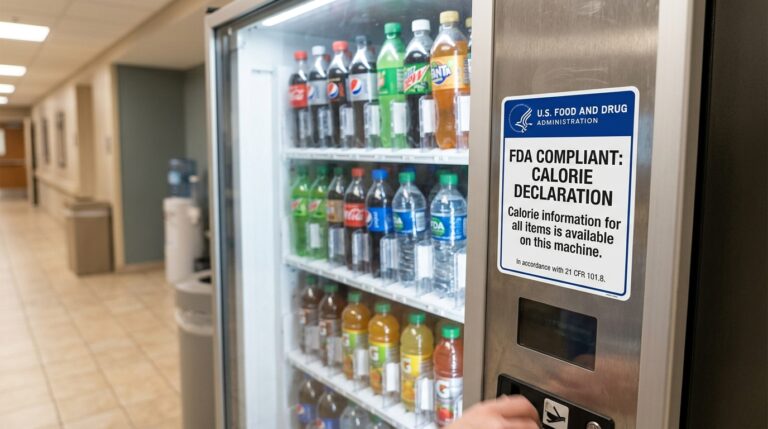
- Display required signage including allergen and nutrition info where applicable
- Set a calendar reminder for annual permit renewals
Final Word
Mississippi rewards operators who get the paperwork right early. Once your LLC, sales tax permit, and local health permit are in place, you can scale a route faster than operators who try to skip steps and end up sorting out compliance after the fact. The state agencies are responsive, the forms are short, and renewal cycles are predictable.
If you are ready to take the next step, browse the full catalog of shop vending machines at VMFS USA, lock in profitable placements through VPlaced, and build the digital presence operators in Mississippi use to win contracts with help from VMarketed.
For state specific guides on every other US market, browse the rest of our vending compliance blog, or reach out to the VAdviced team for a one on one license review of your route.
Compliance Note: This FAQ guide outlines the core regulatory frameworks for operating food vending machines in Mississippi based on 2026 state tax guidelines, corporate registrations, and health codes. Because food safety enforcement is handled at the state level by the Mississippi State Department of Health (MSDH), but local business licenses vary by municipality, always verify local ordinances before deploying your equipment.