Legal & Setup | Bakery Vending | By the VAdviced Team | August 2026
The short version
- Plain bread is not a temperature controlled food under the FDA Food Code. A cream filled pastry is.
- That single distinction changes your permits, your equipment and your paperwork.
- Hit 20 machines and federal calorie labeling kicks in, though glass front cabinets get an easier route.
- Cottage food rules usually will not cover you. Most require direct sales.
- We handle formation, licensing and the food side so you are not guessing at it.
Two operators buy the same bakery machine. One loads it with baguettes and rolls. The other loads it with custard tarts and cream filled eclairs. Under the FDA Food Code those are not the same business, and the second one has a materially heavier compliance burden than the first. Most people setting up a bread machine have no idea that line exists, and it is the single most useful thing to understand before you order anything.
General information, not legal advice. Food rules vary by state and city and change over time. Use this to know what to ask about, then confirm the specifics for your situation.
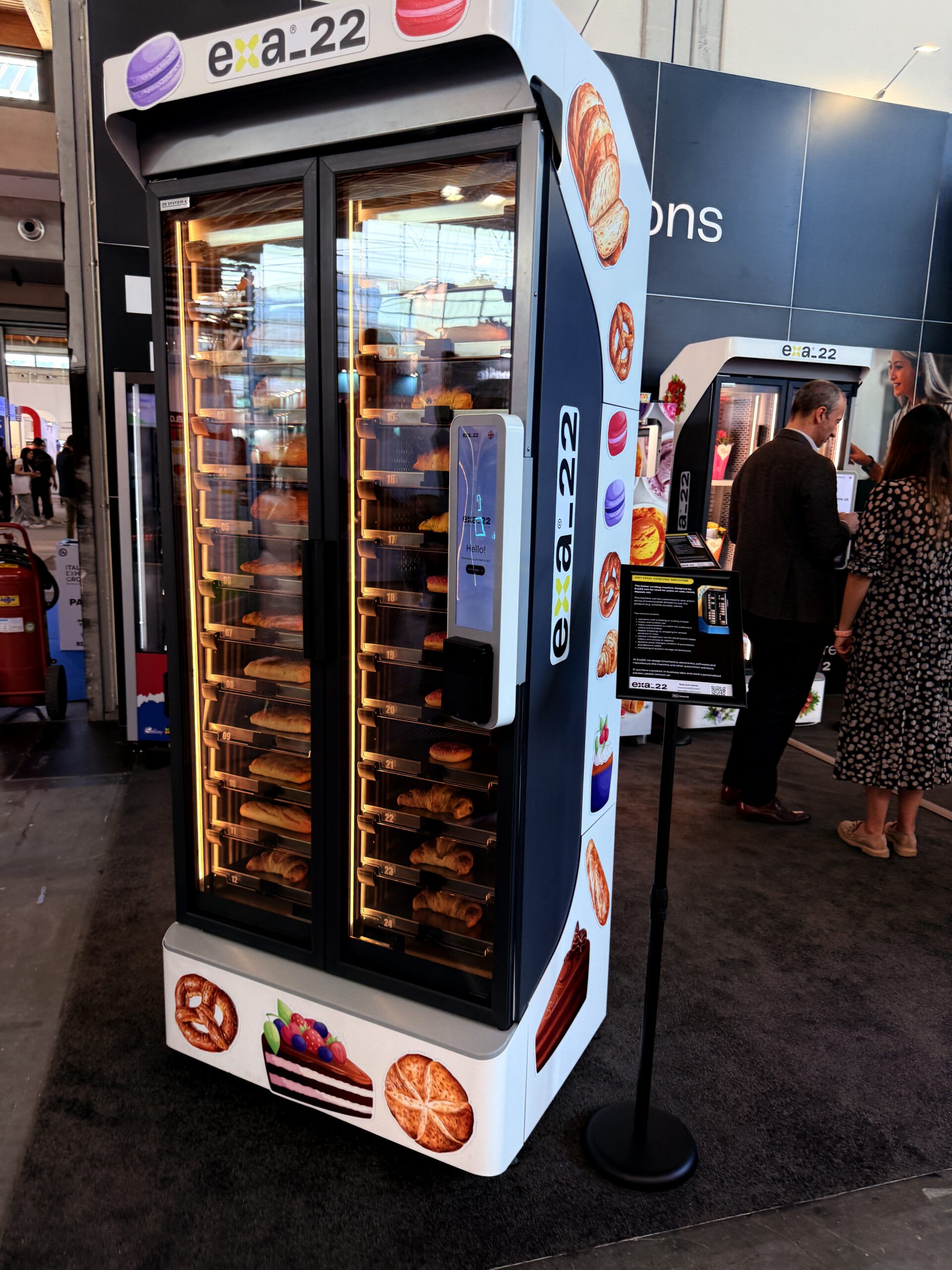
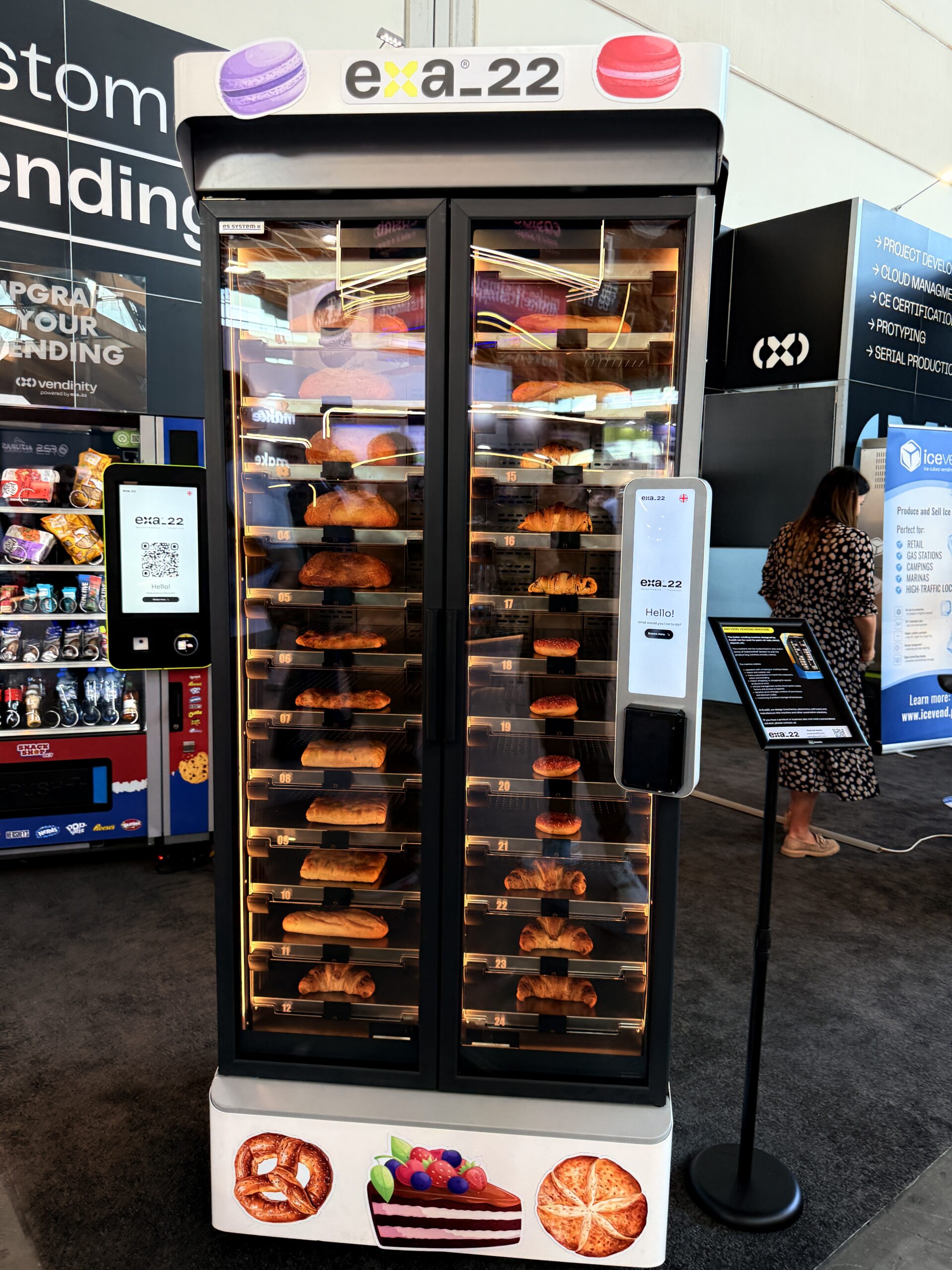
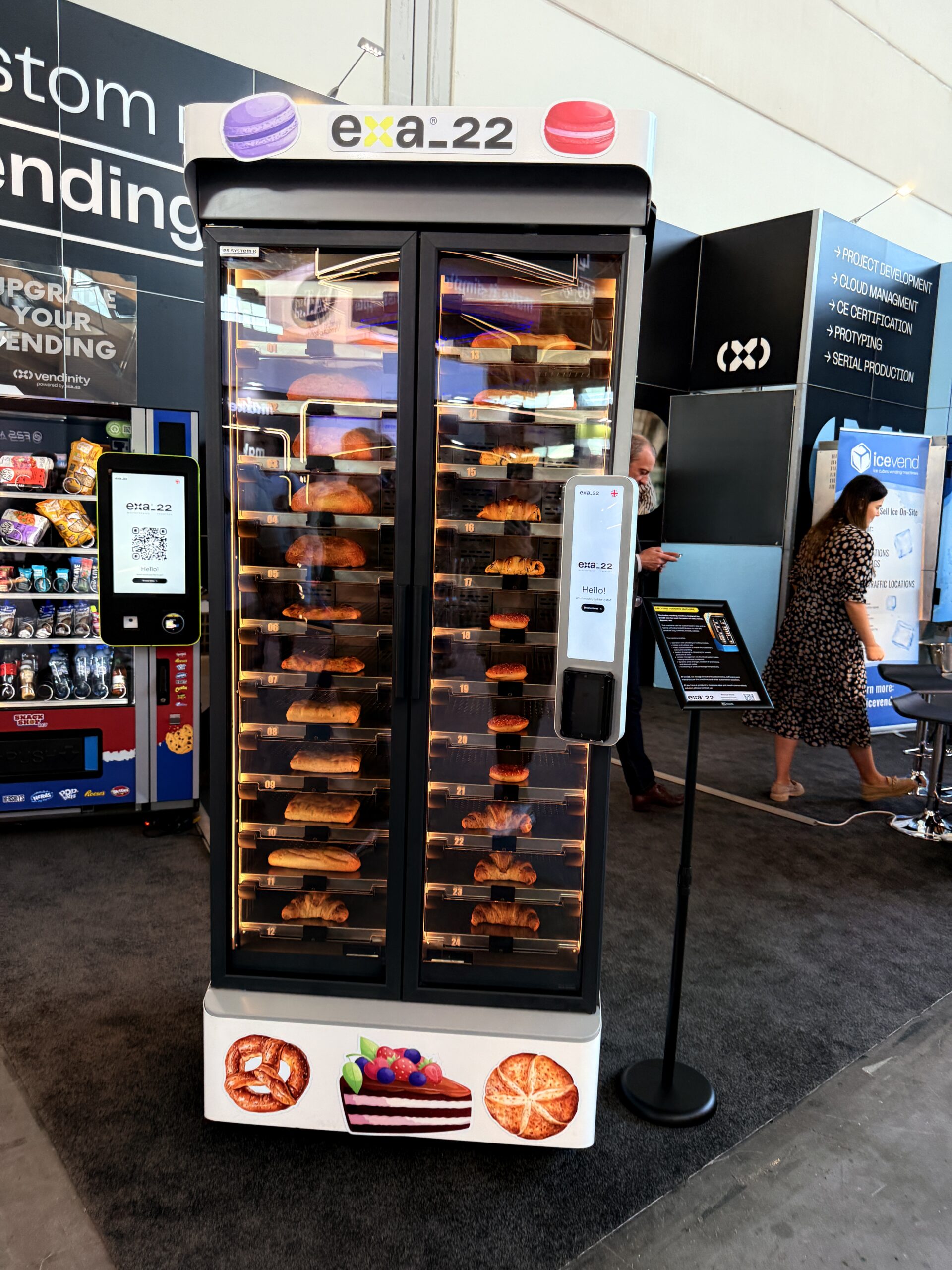
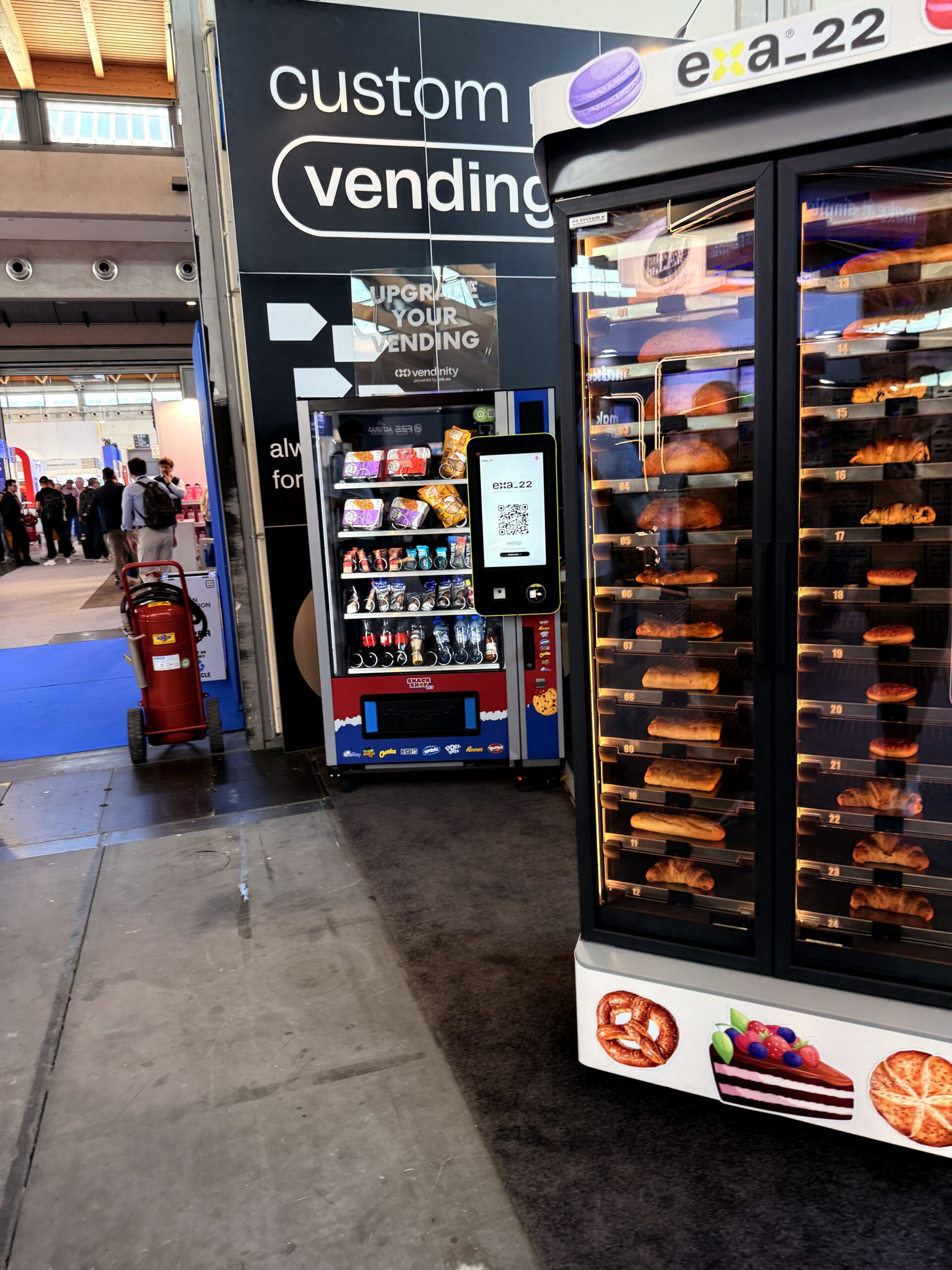
Where this comes from: setting up vending businesses legally is what we do. These are the questions operators bring us when they move into fresh food, and we looked at this machine format closely on the Venditalia show floor.
The Line That Decides Everything: TCS
The FDA Food Code splits food into two camps. Time and Temperature Control for Safety foods, shortened to TCS, are those that need temperature control to stay safe because bacteria grow readily in them. Everything else does not. The older term you may still hear is potentially hazardous food.
Three properties decide it: available moisture, protein content and acidity. If a food is moist, protein rich and low in acid, it is almost certainly TCS.
Here is where bakery lands:
| Not TCS (lighter rules) | TCS (heavier rules) |
|---|---|
| Uncut, unfilled bread and baked goods | Cream pastries |
| Rolls, baguettes, plain loaves | Cream and custard pies and tarts |
| Most plain croissants and pretzels | Anything with real cream or soft cheese |
| Dry, low moisture baked items | Meat or egg filled pastries |
Why this matters commercially: a machine selling only uncut, unfilled bread sits in a much lighter regulatory category. Add cream filled product and you inherit temperature control, date marking and a heavier permit conversation. That is not a reason to avoid pastries. It is a reason to decide your product list before you decide your machine, because the two are linked. If cream filled product is on your list, you are shopping in the refrigerated vending category rather than the ambient one.
If You Are Selling TCS Product
Cross that line and a specific set of obligations comes with it.
- The danger zone is 41F to 135F. Cold product holds at or below 41F, hot product at or above 135F. In between, bacteria multiply fast.
- Date marking. Ready to eat TCS food held longer than 24 hours must be date marked, with a maximum of seven days at 41F or below, counting the day you made it as day one.
- Temperature records. Increasingly you are expected to show the machine held temperature, not just claim it. Machines with built in monitoring make this straightforward.
- Equipment that can actually hold it. A cabinet without proper cooling cannot legally carry cream filled product, whatever the brochure implies. This is worth settling at the spec stage with something like a food vending machine system built to your product list.
The practical read: if you want to sell both warm bread and chilled cream product from one machine, you need a unit with genuine heating and cooling capability, and you need to be able to evidence both. Machines built for heated product, such as a hot food vending machine, are engineered around exactly this requirement.
The Federal Rule Most Operators Have Never Heard Of
This one catches people as they scale, so it is worth knowing early. The FDA requires vending machine operators who own or operate 20 or more machines to disclose calorie information for the food they sell. It comes from section 4205 of the Affordable Care Act, was finalised in December 2014, and compliance has been mandatory since December 2016.
Under 20 machines you are outside it, though you can voluntarily register using FDA Form 3757 if you want to be covered.
Now the useful part for a bakery machine specifically. The standard route is a sign near the selection button showing calories. But for glass front machines, where the customer can see the product before buying, operators are allowed to rely on front of package labeling instead. A bakery locker cabinet is glass front by design, which makes this the easier path. The catch is a size rule: the front of package calorie declaration must be at least 150 percent of the minimum required size of the net weight declaration on that package.
Plan for it before you hit 20. Retrofitting labeling across a route you have already built is far more painful than building the habit into your packaging from machine number three.
Allergens Are Not Optional
Bread is close to an allergen showcase. Wheat in nearly everything, egg and milk in enriched doughs and pastries, soy in a lot of commercial product, nuts in plenty of sweet lines, and sesame on more loaves than people realise. Sesame became the ninth major allergen requiring declaration from January 2023, which caught a fair few bakeries off guard.
Packaged food sold to consumers has to declare its ingredients and call out major allergens clearly. Selling through a machine does not exempt you from that. The customer needs to be able to see what is in the product before they commit, which in a glass front cabinet usually means the label on the item itself, sometimes supported by the screen. Because that labeling sits alongside your branding, it is worth coordinating with whoever handles your machine wraps and marketing material so the compliance content and the design are not fighting each other.
Cottage Food Laws Probably Will Not Help You
Home bakers ask about this constantly, so let us address it directly. Cottage food laws let people produce certain low risk foods, baked goods very much included, in a home kitchen and sell them without a full commercial licence.
The problem is that most of these laws are written around direct sales. Face to face, farmers markets, roadside stands, sometimes online with direct delivery. An unattended machine is generally not a direct sale, and a lot of states either exclude it outright or simply never contemplated it when the law was drafted.
So the realistic position for most bakery machine operators is that product needs to come from a licensed commercial kitchen or an approved commissary rather than a home oven. Worth establishing before you build a business plan around home production.
The Rest of the Setup
- Business entity. Most operators form an LLC to separate personal and business liability, which matters more when you are selling food people eat.
- Sales tax registration. Selling physical product from a machine is a taxable retail sale in most states, and food is sometimes treated differently from other goods, so check how your state handles it.
- Food establishment permit. Most health departments want one before you sell fresh food from a machine, and they will ask where the product comes from.
- Vending licence or decal. Many states and cities require a vending specific licence, and some want a sticker on each individual machine.
- Insurance. General liability is standard and most location owners will ask for proof. Product liability is worth confirming separately when you sell food.
- Placement agreement in writing. Placement, revenue share or rent, restocking responsibility, term, and who is liable for damage. Never a handshake. If you are unsure what terms are reasonable, the revenue share guide from our placement partners is a fair benchmark.
Outdoor Machines Add a Layer
The European model puts the machine on the bakery’s outside wall, and that is increasingly what US operators want too. Just know it brings extra questions: whether the installation needs local planning or zoning approval, whether it encroaches on a public right of way, signage rules in some districts, and whether the unit is genuinely weather rated for the conditions. None are hard, but they are easier to answer before installation than after a complaint. Start with a properly rated unit from the outdoor vending machines range, and if you are still choosing the site, finding the right location is a separate exercise worth doing first.
How We Help You Get This Right
None of the above is difficult once someone has done it before, and how we work is built around removing exactly this kind of scattered admin. The difficulty is that it is scattered across a federal agency, a state revenue department, a county health office and sometimes a city clerk, and none of them will tell you what the others need.
- Entity formation and registration. We set the business up properly from the start, including the tax registrations that follow.
- Working out what actually applies to you. Your product list, your state and your machine count determine the rules. We tell you which ones bite and which do not.
- Permits and licensing. Food establishment permits, vending licences and per machine decals, handled rather than researched at midnight.
- Labeling and disclosure. Getting allergen and calorie labeling right before an inspector raises it, not after.
- Agreements. Placement contracts that actually protect you, including the liability clauses people skip.
You can see the full scope on our services page, start directly through Order Now, or talk to us first if you would rather ask questions before committing.
And because compliance never sits on its own, the rest of the chain connects to it. The heating and cooling capability that decides what you can legally stock comes down to the build, so start with the right food vending machine or browse the full range of vending machines at VMFS USA. Where you put it changes which local rules apply, which is why VPlaced handles siting, and property owners can list space through their location owners page. Presentation and local visibility are covered by VMarketed. Separate services, but connected, so nothing falls between them.
Before You Switch It On
- Have you decided whether your product list crosses into TCS territory?
- Is the entity formed and are you registered for sales tax?
- Do you have the food establishment permit for your county?
- Does your state or city require a vending licence or a per machine decal?
- Is product coming from a licensed kitchen rather than a home oven?
- Do your labels carry ingredients and all nine major allergens?
- Can the machine hold and record the temperatures your product needs?
- If you are near 20 machines, is calorie labeling handled?
- Is the placement agreement signed, with liability spelled out?
Frequently Asked Questions
Do you need a permit to sell bread from a vending machine?
In most places yes. Expect a business licence, sales tax registration and usually a food establishment permit from your local health department, plus a vending licence in many states. How heavy the food side gets depends largely on whether your product is temperature controlled or not.
Is bread a TCS food?
Uncut, unfilled bread and baked goods are generally not TCS under the FDA Food Code, which puts them in a lighter category. Cream pastries and custard filled items are TCS and require temperature control and date marking. The filling, not the bread, is usually what moves you across the line.
Can I sell home baked bread from a vending machine?
Usually not under cottage food rules, because most of those laws are built around direct face to face sales and an unattended machine does not qualify. In practice product generally needs to come from a licensed commercial kitchen or approved commissary. Check your own state before planning around home production.
Do I have to show calories on a bakery vending machine?
If you own or operate 20 or more machines, yes, under the FDA vending machine labeling rule. Below that you are exempt unless you voluntarily register. Glass front machines can satisfy it through front of package labeling rather than signage, which suits bakery cabinets well, subject to a minimum type size requirement.
Setting Up a Bakery Machine?
We handle entity formation, licensing, permits and the food compliance that comes with selling fresh product. Get it structured properly before the machine goes live.