Legal & Setup | Branded Vending | By the VAdviced Team | September 2026
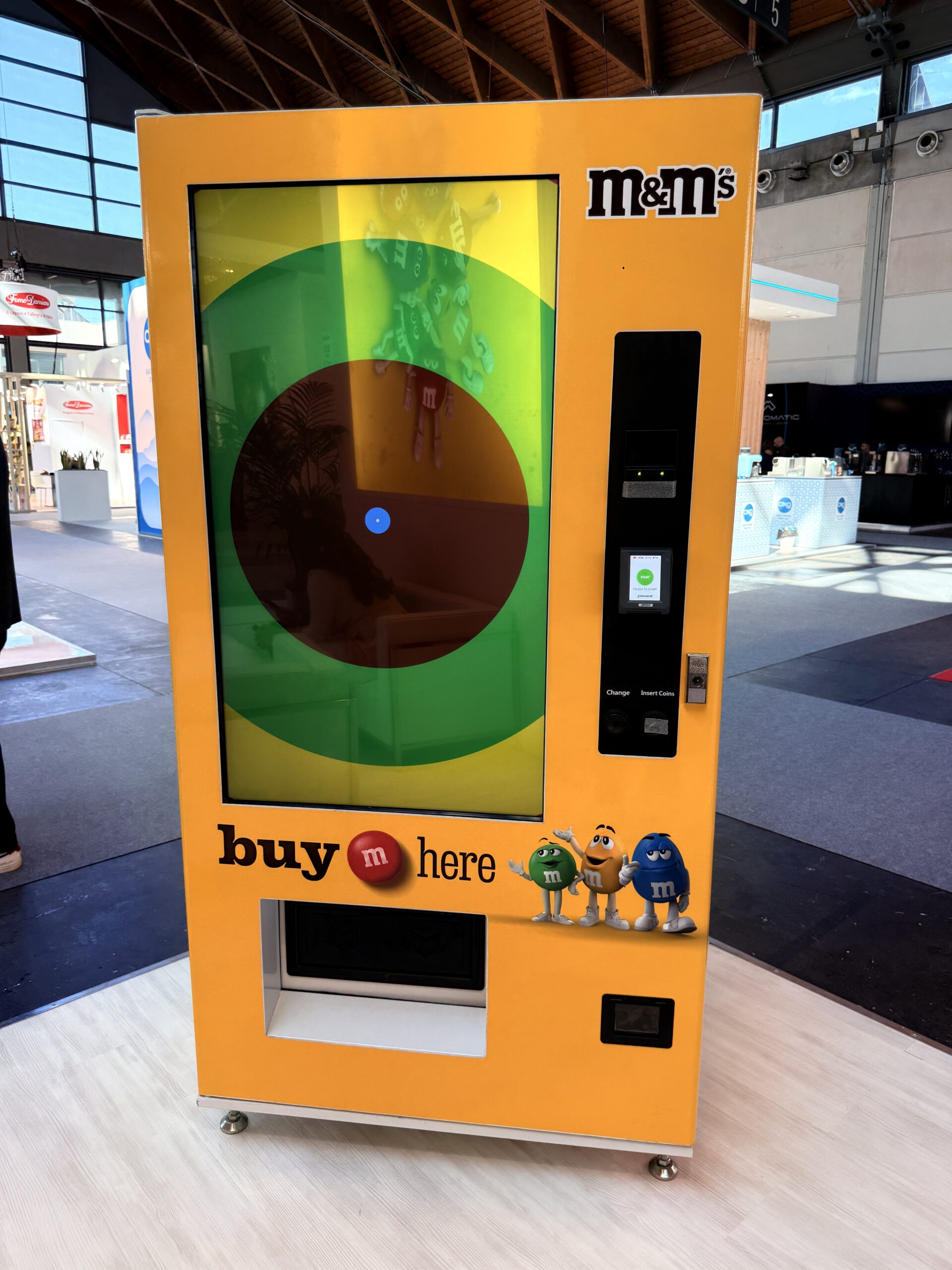
A brand deciding to put its own machines into the world usually treats it as a marketing project. There is a design brief, a site list, a launch plan and a budget line that sits somewhere near experiential. Nobody involved thinks of it as a change to the legal structure of the business.
It is one, and a significant one. The moment your machine takes its first payment, you have stopped being a manufacturer or a supplier and become a retailer. Not metaphorically. In the eyes of the state where the machine stands, you are now selling directly to consumers at retail, with everything that carries.
That is entirely manageable and thousands of brands do it. But there is one consequence in particular that catches companies badly, and it scales with the number of states you put machines in rather than with how much those machines sell.
General information, not legal or tax advice. Tax nexus, licensing and product rules vary by state and by what you sell. Use this to understand which questions to ask, then get advice specific to your product and your footprint before committing to a rollout.
Where this comes from: setting up vending operations legally is what we do, for operators and for brands. Brands arrive with a different starting position and a different set of blind spots, and these are the ones that come up repeatedly.
The Consequence With No Minimum
This is the finding we would most want a brand to understand before signing off a multi state rollout, because the cost is administrative rather than commercial and it is entirely predictable.
Sales tax nexus is the connection between a business and a state that obliges it to register, collect and remit sales tax there. Most brand teams are broadly aware of the economic version of this, introduced after the 2018 Supreme Court decision in South Dakota against Wayfair, which is triggered by crossing a revenue or transaction threshold. Commonly around one hundred thousand dollars of sales or two hundred transactions.
What that decision did not do was remove the older basis. Physical presence remains an independent trigger, and it carries no dollar threshold whatsoever. Tangible property owned by your business, sitting inside a state, is a textbook example. One state revenue department describes the bar as more than the slightest presence.
Follow that through for a brand machine programme. A single machine you own, standing in a state, making retail sales to consumers, is physical presence in that state. It does not matter whether it turns over five hundred dollars or fifty thousand. Place machines in twelve states and you have plausibly created registration, collection and filing obligations in twelve states, for a programme that may be running principally as marketing.
None of which is a reason not to do it. It is a reason to plan the footprint deliberately rather than letting it accumulate:
- Decide the state footprint before the site list. Concentrating a pilot in two or three states rather than scattering it across nine is a materially cheaper way to learn the same things.
- Check whether you already have nexus there. If you sell online into a state at volume, you may already be registered, in which case a machine adds no new obligation and the calculation changes entirely.
- Understand how your product is taxed. Food, beverages and other categories are treated very differently between states, and several have specific provisions for sales made through vending machines.
- Budget the compliance cost per state, not per machine. Registration and ongoing filing is a recurring administrative cost that a single low volume machine will not cover on its own.
- Consider whether an operator partner should own the machines. If a third party operator owns the equipment and makes the sales, the nexus analysis looks different. That is a genuine structural option worth examining early rather than late.
That final point is the one brands most often wish they had considered sooner. The choice between owning the machines and having a partner own them is not only operational, it changes your tax position, and it is far easier to decide at the outset than to unwind afterwards.
Licensing Is Per Machine and Per Jurisdiction
The second surprise is that vending licensing is genuinely local, and a brand accustomed to operating at national scale finds that jarring.
There is no single national vending permit. Depending on where each machine stands you may need:
- A state or local vending licence, frequently with a decal displayed on each individual machine and a fee per unit rather than per company.
- A food establishment permit if you sell anything beyond shelf stable packaged goods, issued by the county or city health department rather than the state.
- A general business licence in the city where the machine operates, which some jurisdictions require even for a single unit.
- Category specific licensing where it applies, which can be considerably more involved than ordinary vending.
- Registration as a foreign entity in states where you do business, separately from tax registration.
Practically, this means a twenty machine programme across six states is not one compliance exercise. It is a set of them, running on different renewal cycles with different authorities, and it needs somebody owning it as a process rather than as a launch task.
You Are Now Both Ends of the Chain
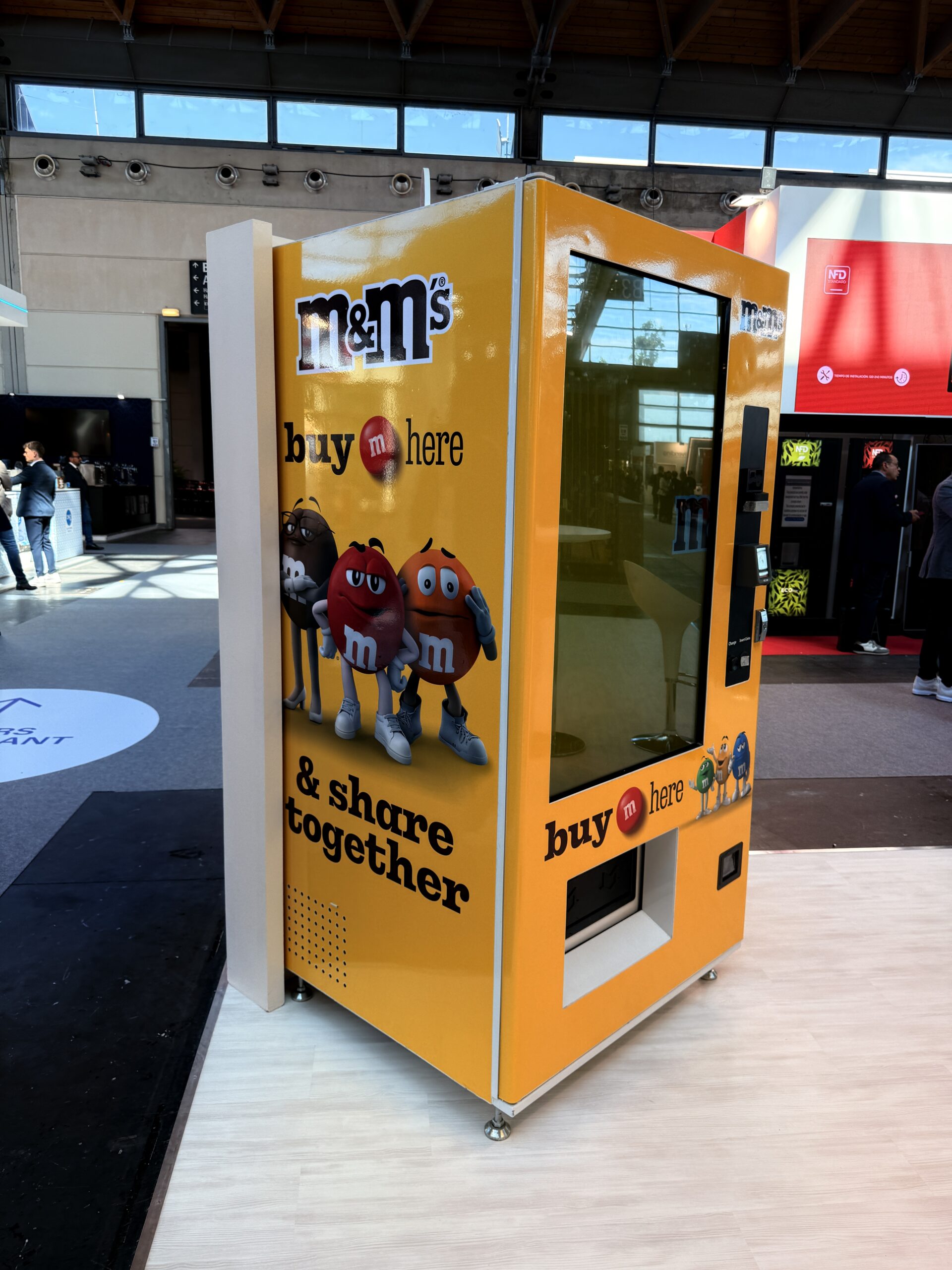
In normal distribution there is useful distance between you and the consumer. You manufacture, a distributor moves it, a retailer sells it, and if something goes wrong there are several parties and several contracts between your product and the person holding it.
Selling from your own machine collapses that entirely. You are the manufacturer and the retailer in the same transaction, and every obligation that normally sits with your retail partners now sits with you.
- Product liability with no intermediary. A claim arising from something bought out of your machine runs directly to you, with no retailer in between and no retailer’s insurance either.
- Consumer protection obligations. Refunds, faulty product, failed transactions and complaint handling all become yours. Your retail partners have processes for this. You probably do not.
- Point of sale labelling duties. Requirements your retailers currently satisfy on shelf edges and packaging may now need satisfying on your machine. Calorie disclosure rules for vending operators above a certain machine count are the obvious example.
- Accessibility. A machine at a place of public accommodation raises reach range and operable parts considerations, which matter more on a custom build where you chose the height of everything.
- Age verification where relevant. If any product in the machine is age restricted, that is your responsibility at the point of sale and it needs designing in rather than bolting on.
The insurance point deserves a separate mention. Ask your broker explicitly whether your existing policy contemplates direct retail sales from owned equipment in public places. Several brands have discovered that it does not, at a moment when the answer mattered.
The Risk That Is Contractual Rather Than Legal
This one is not regulation at all, and it has ended more brand machine programmes than any rule on this page.
If you sell through retail partners, you have agreements with them, and those agreements frequently contain provisions about channel conflict, pricing, exclusivity and territory. A machine selling your product directly to consumers, at a price you set, potentially inside or near a retailer’s own catchment, can sit awkwardly against all four.
- Read your distribution agreements before the site list. Territory and exclusivity clauses are the ones to look for, and they are easy to breach without meaning to.
- Think about the price you display. Undercutting your own stockists in public is a commercial decision with relationship consequences, and pricing at or above retail is the safer default.
- Consider siting machines where retail cannot reach. Gyms, offices, campuses and hotels have no shop in them, so a machine there complements distribution rather than competing with it. That framing also makes the conversation with your buyers considerably easier.
- Tell your partners first. Discovering your machine in a trade publication is a bad way for a key account to learn about it.
- Consider partnering rather than competing. A machine outside a stockist’s premises extends their trading day, and framed that way it becomes something they want rather than something they resent.
Check the Rights on Your Own Artwork
A quieter issue that catches brands with sophisticated marketing operations more often than simple ones, because they have more licensed material in circulation.
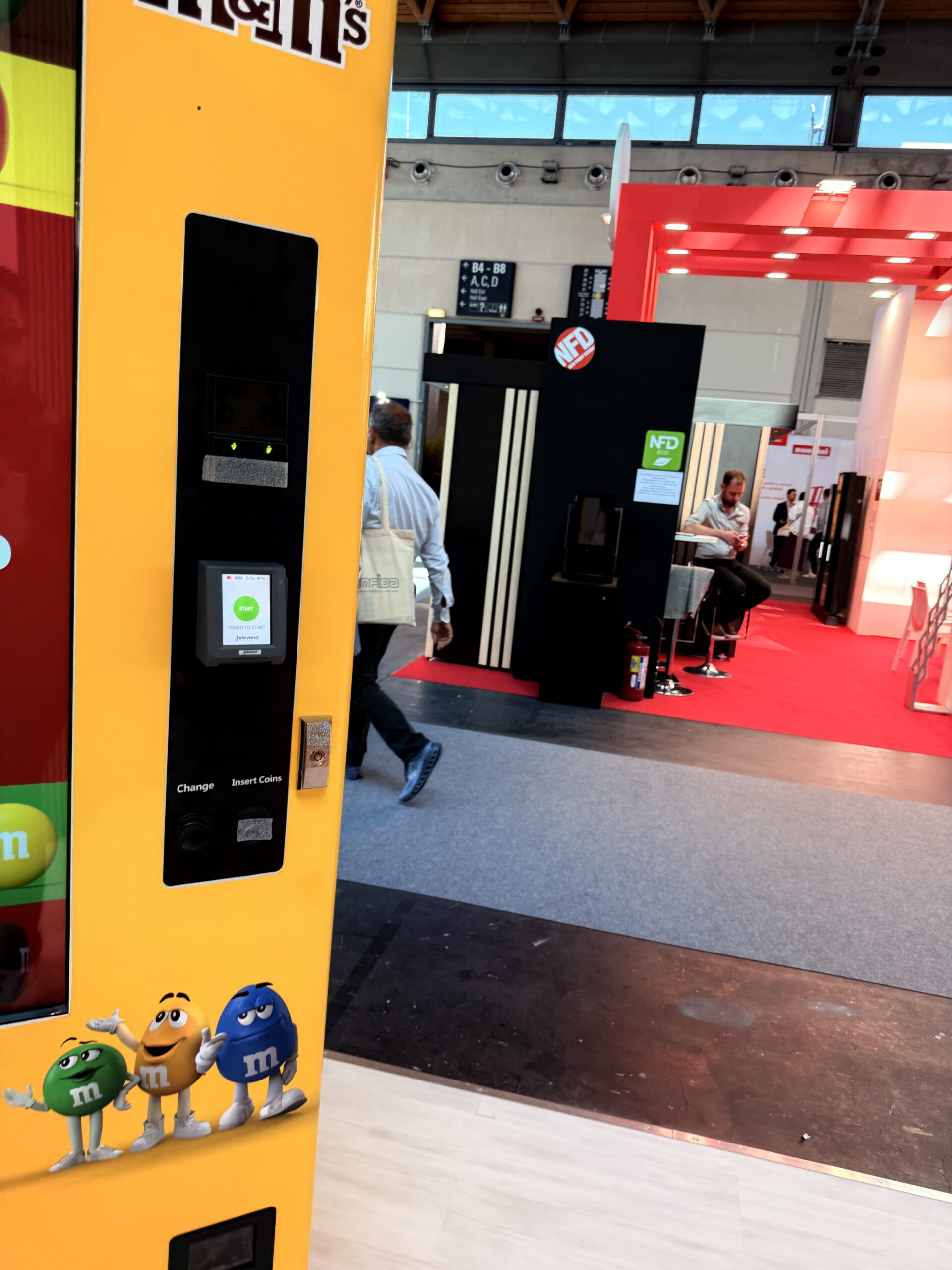
A machine wrap is a permanent physical installation in a public place, which is frequently not the use a licence was negotiated for:
- Stock photography is licensed for specified uses and durations. Print and digital rights do not automatically extend to a permanent installation.
- Talent and model releases are typically limited by media, territory and term. A face on a machine for three years may exceed all three.
- Music and video on a screen raises its own licensing questions if the machine plays content in a public space.
- Fonts have licences too, and large format physical application is not always covered by a standard desktop or web licence.
- Partner and co branded marks need permission for this specific use, which is worth confirming in writing rather than assuming goodwill.
None of this is difficult, and all of it is far cheaper to check at artwork stage than after a run of machines has been produced. Coordinating it with whoever creates your machine graphics is the sensible point to raise it.
Data, Because You Wanted the Data
One of the strongest arguments for a brand machine is that you finally get transaction level information rather than a retailer’s summary. That benefit comes with obligations attached.
- Payment data. Card acceptance brings payment industry security requirements, which are usually handled by your payment provider but remain your responsibility to confirm rather than assume.
- Anything identifying a person. Loyalty accounts, app integration or an email for a receipt move you from anonymous transaction data into personal information, with state privacy laws attached.
- Cameras and sensors. Be extremely careful here. Anything that could be characterised as collecting biometric information carries serious exposure in several states, and a machine that merely detects presence is a different proposition from one that analyses faces.
- Say what you collect. If the machine gathers anything beyond an anonymous sale, that should be disclosed at the machine rather than buried in a policy nobody reads.
- Decide who owns the data if an operator partner services the machines, and write it into the agreement, because it is frequently the reason you did this in the first place.
Put These in the Venue Agreement
- Exactly where the machine stands, and whether the venue may move it
- Whether the venue may require changes to the branding or artwork
- Who is responsible for damage, and who insures the equipment
- Whether the venue has granted anyone else exclusivity in your category
- Who restocks, how often, and what happens if service lapses
- Who owns the transaction data
- What happens to the machine when the agreement ends, and who moves it
The exclusivity line is worth confirming in writing rather than trusting to a conversation, because a venue that later signs a category deal with a competitor will point at whatever the agreement says. Securing sites on terms that hold up is work our partners at VPlaced handle.
How We Help Brands
- Mapping the tax consequence of a footprint before you commit to one, including whether an operator owned structure serves you better.
- Licensing across jurisdictions. Vending licences, decals, food permits and local business licences, tracked as a process with renewal dates rather than a launch checklist.
- Entity and registration in the states where you will be doing business.
- Reviewing what the machine says and shows, covering labelling obligations, rights clearance and any claims on the artwork.
- Consumer facing process. Refunds, complaints and failed transactions, set up before the first one happens rather than during it.
- Venue agreements with the exclusivity, branding, data and removal clauses a branded installation actually needs.
You can see the full scope on our services page, follow the process on how we work, start through Order Now, or talk to us first. On the equipment side, decisions about configuration, screens and age verification all affect your compliance position, so it is worth specifying deliberately through VMFS USA custom builds or the wider shop. Once machines are live and compliant, listing them on VendingFinder helps customers find them.
Before You Approve the Rollout
- Which states will hold machines, and do you already have nexus in them?
- Have you priced registration and ongoing filing in each of those states?
- Should you own the machines, or should an operator partner?
- How is your product taxed in each state, including vending specific provisions?
- What licences and decals does each machine need locally?
- Does your insurance cover direct retail sales from owned equipment?
- Do your distribution agreements permit direct sales in these territories?
- Is every element of the artwork licensed for permanent physical installation?
- Does the machine collect anything beyond an anonymous transaction?
- Who handles a customer whose product did not dispense, and how fast?
- Does the venue agreement cover exclusivity, data and removal?
Frequently Asked Questions
Does a vending machine create sales tax nexus in a state?
Owned equipment making retail sales inside a state is physical presence, and physical presence remains an independent basis for nexus with no dollar threshold attached. That is different from economic nexus, which requires crossing a revenue or transaction figure. Plan the state footprint deliberately and take advice on your specific structure.
Should the brand own the machines or should an operator?
It is worth examining both, because the answer affects more than operations. Where an operator partner owns the equipment and makes the sales, the tax and licensing analysis looks materially different from a brand owned programme. It is far easier to choose this at the outset than to restructure once machines are installed.
Does selling direct conflict with our retail partners?
It can, and this is contractual rather than regulatory. Check territory, exclusivity and pricing provisions in your distribution agreements before building a site list. Siting machines where retail does not reach, such as gyms, offices and campuses, complements distribution rather than competing with it and makes the conversation with buyers far easier.
Is our existing insurance enough?
Do not assume so. Policies written around manufacturing and wholesale distribution may not contemplate direct retail sales from equipment you own standing in public places. Ask your broker specifically and get the answer in writing before the first machine is installed.
Can we use our existing campaign artwork on the machine?
Check the licences first. Stock imagery, talent releases, fonts and music are typically licensed by media, territory and term, and a permanent physical installation in a public place is frequently outside what was originally agreed. It costs nothing to verify at artwork stage and is expensive to fix after a production run.
Become a Retailer on Purpose
We map the tax and licensing consequence of a machine footprint before you commit to one, handle registration across jurisdictions, and build the venue agreements a branded programme needs.