Legal & Setup | Trading Card Vending | By the VAdviced Team | August 2026
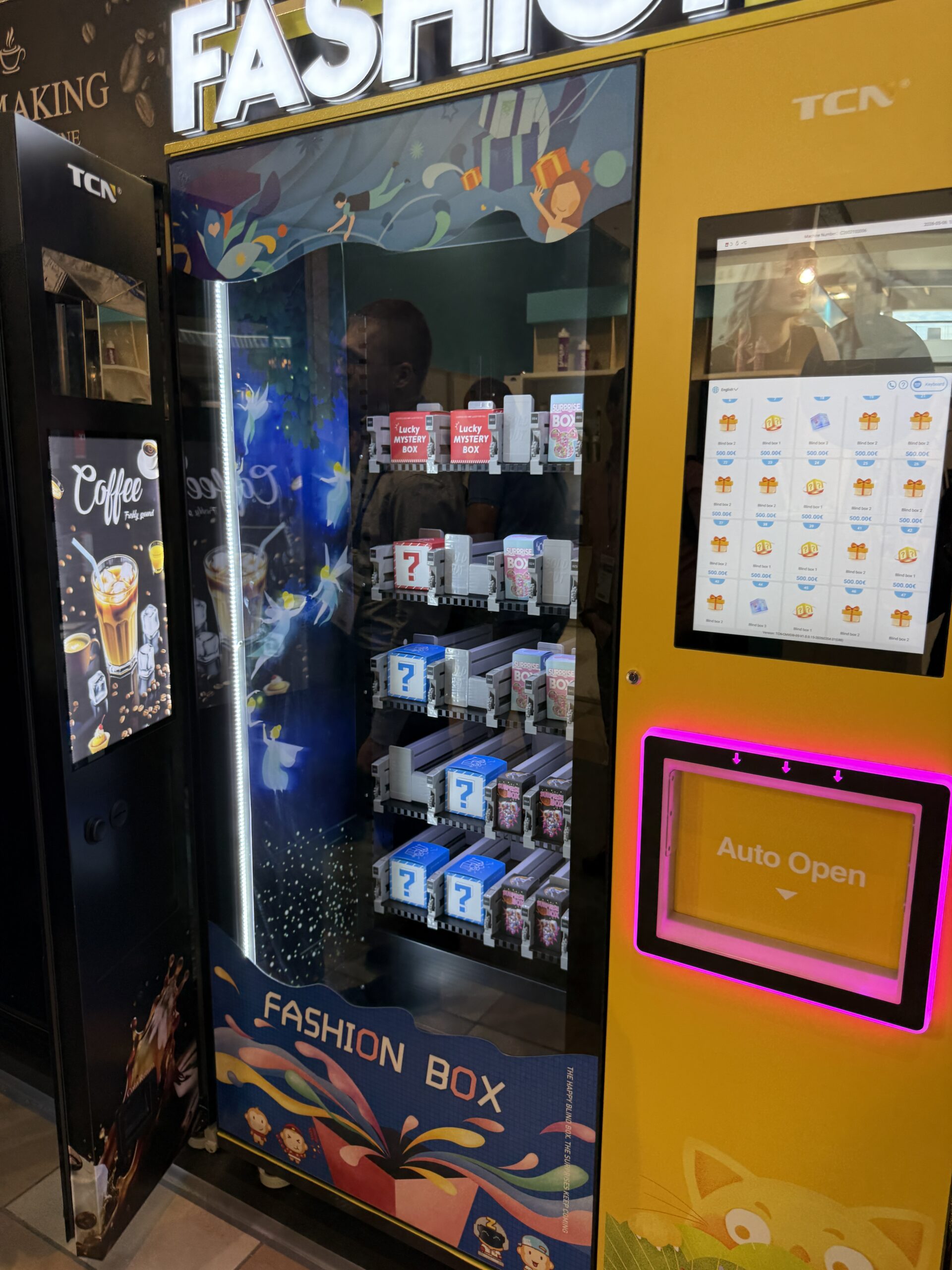
There is a question sitting at the heart of every trading card and blind box machine that most operators never think to ask, and it is a legal one. When a customer pays and does not know what comes out, what exactly did they just buy? A sealed product with a fixed price, or a chance at an outcome? Those two things are treated very differently in different places, and the answer shapes far more of your setup than the licensing paperwork ever will. This guide walks through everything it takes to get a card and collectible machine legal and running, and gives that central question the careful treatment it deserves.
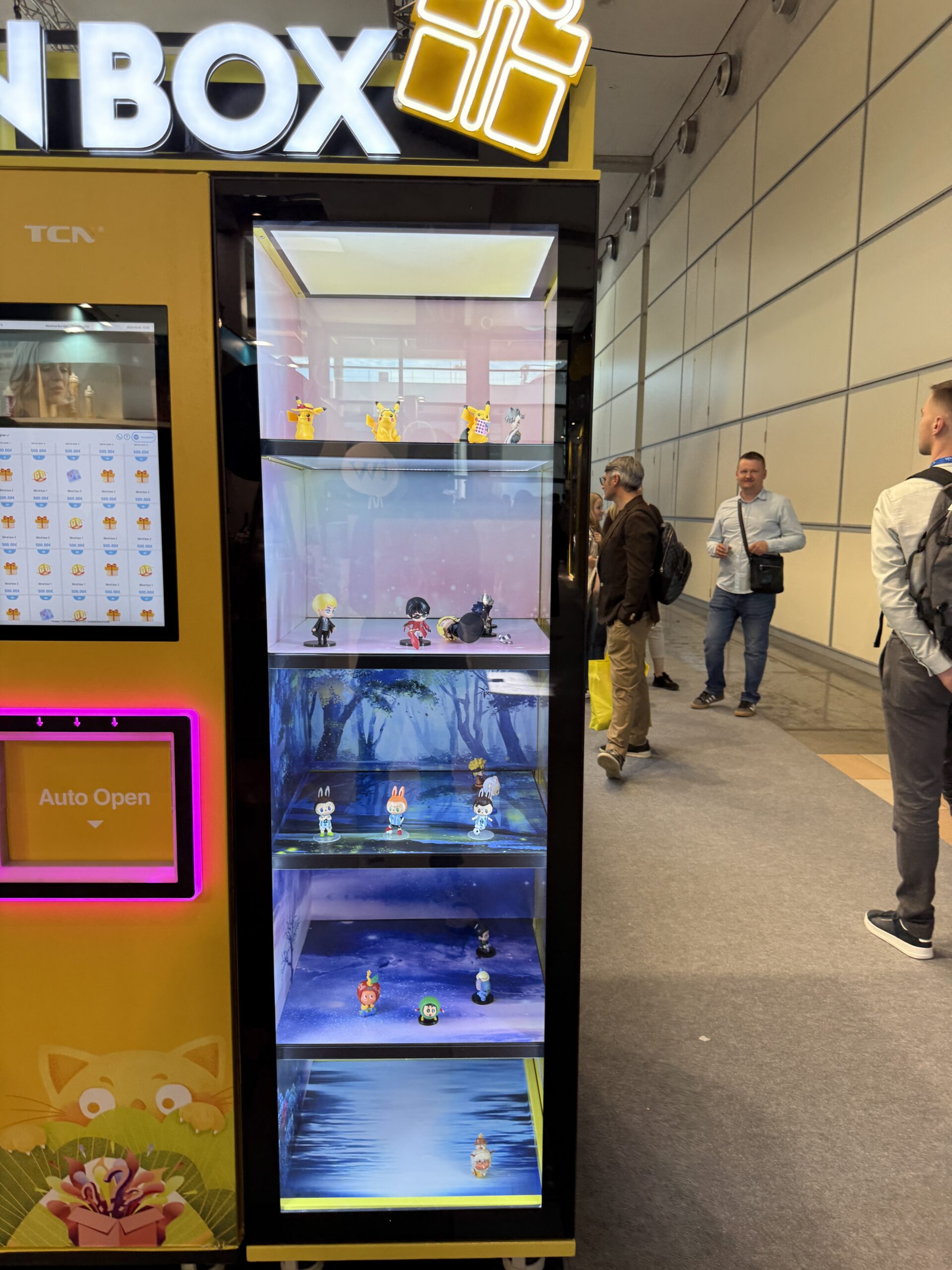
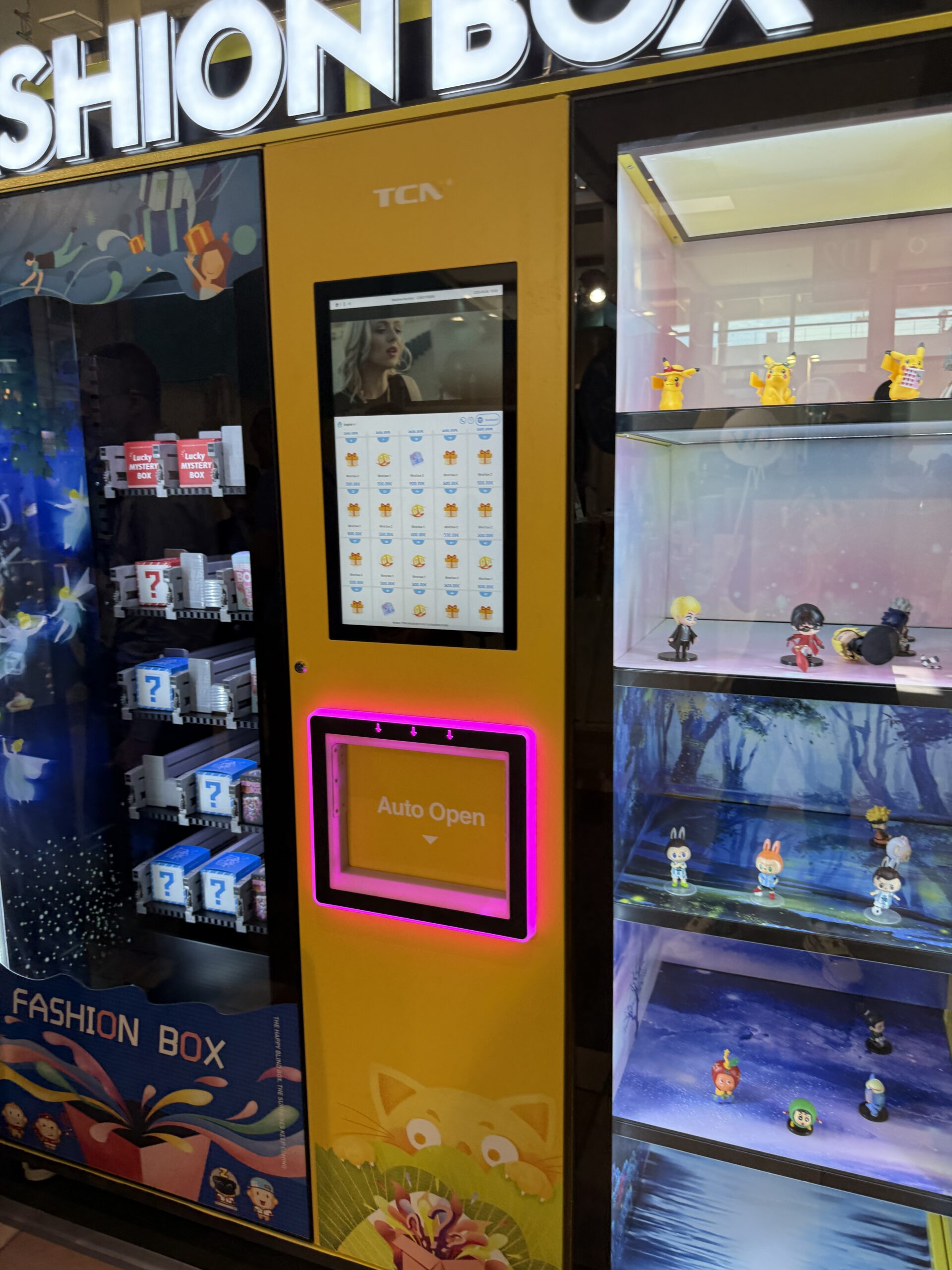
Where this comes from: setting up vending businesses correctly is what we do, and these are the questions operators bring us most often when they move into cards and collectibles. We also studied this machine format up close on the Venditalia show floor, which is why the guidance below is specific to how these units actually sell rather than generic vending advice.
Worth saying plainly before we start: this is general information, not legal advice. Rules vary by state and city, and how they apply to a specific machine and product mix can be fact dependent. Treat this as a map of what to investigate, then confirm the specifics with a qualified professional.
Why This Category Needs Its Own Legal Conversation
Selling sealed trading cards and blind box collectibles from a machine is, in most respects, more straightforward than selling food. Nothing spoils, no health department has to inspect your refrigeration, and there are no temperature logs to keep. Compared with perishable product, this category is noticeably lighter on that front.
Where it gets more interesting is everywhere else. You are holding inventory that carries real value and can appreciate. You are buying wholesale, which brings resale certificates into play. You are often selling to a younger audience. Your product can be counterfeited. And the core mechanic of the sale, paying without knowing what you will receive, brushes up against rules that were written with something else in mind entirely. None of it is difficult once you understand the pieces, but it is genuinely different from stocking a snack machine, so it is worth working through properly.
It also helps to appreciate the scale you are operating in, because it explains the regulatory attention. This is no longer a niche hobby. The Pokemon Company reported roughly 2.9 billion dollars in revenue for fiscal 2025, up more than 38 percent year over year, and Walmart reported trading card sales up 200 percent over a comparable period. Recent US consumer research puts card buying at nearly one in five American adults purchasing for themselves. When a category grows that fast and starts involving that much money, regulators and plaintiffs’ lawyers take an interest, which is exactly what has happened.
Start With the Business Entity
Every operator should start here, and in this category the entity matters more than most. Think about what is physically sitting inside a fully loaded machine. Sealed collections, premium blind box lines, and current set product can represent a meaningful amount of capital standing unattended in a public space. That inventory can also appreciate, which is unusual in vending and changes how you should think about ownership and protection.
Most operators form an LLC to keep personal and business assets separate. The entity also makes the next few steps cleaner, because wholesale distributors and location owners generally prefer dealing with a registered business, and several will not open an account with a sole proprietor at all. If you want that handled properly from the start, our formation and compliance services cover it end to end.
Sales Tax and the Resale Certificate
Two tax pieces matter here and they work together. The first is sales tax registration. Selling a physical product from a machine is a taxable retail sale in most states, and vending sales sometimes have their own quirks in how tax is calculated or reported. Because the product here is merchandise rather than food, you generally will not benefit from the food exemptions some states apply, so assume standard retail treatment unless you confirm otherwise. It is worth confirming how your state treats vending sales specifically, since the reporting mechanics are not always the same as ordinary counter retail.
The second piece is the resale certificate, and this one is easy to overlook while quietly costing you money. When you buy sealed product at wholesale to resell, a valid resale certificate lets you purchase without paying sales tax at that point, since the tax gets collected when your customer buys from the machine. Without it you can end up paying tax twice on the same product, which is pure margin lost. Distributors will typically ask for it anyway before they open a wholesale account, so it is worth having in place before you start sourcing.
Vending Licenses and Machine Decals
Beyond the general business license, many states and cities require a specific vending machine license, and some go further by requiring a decal or sticker affixed to each individual machine showing it is registered. The requirement, the fee, and whether it is charged per machine or per operator all vary considerably by jurisdiction. It is a small piece of admin that becomes a real problem if an inspector finds a machine operating without it.
Because the rules differ so much from one place to the next, the practical move is to check your own state and city directly. Our guide on the license for a custom vending machine covers what to look for, and check with your state revenue department and your city or county clerk directly, since these requirements are set locally and change from one jurisdiction to the next.
The Sealed Product Sale and the Chance Outcome
Here is the section that genuinely matters, and the one operators are most surprised by when we walk them through it. It is worth being precise rather than vague, because there is real law on this and real litigation happening right now.
Start with the framework. Virtually every state has an anti gambling or lottery statute built on the same three elements: consideration, meaning the customer pays something, chance, meaning the outcome is random, and a prize. Where all three are present, a transaction can be treated as an unlawful lottery or gambling. California puts the general rule in Penal Code Section 319, which defines a lottery as a scheme for distributing property by chance among people who have paid valuable consideration for the chance of obtaining it.
Now the part that matters specifically for this category, and it is a genuinely useful distinction. California went further and wrote a statute aimed directly at trading cards. Penal Code Section 319.3 extends the definition of a lottery to what it calls a sports trading card grab bag game. The statute defines a grab bag as a sealed package containing one or more sports trading cards that have been removed from the manufacturer’s original packaging, and it targets schemes where a buyer pays for that package understanding they have a chance to win a designated prize the seller has listed as being in some, but not all, of the packages.
Read that definition closely. The statute turns on cards removed from the manufacturer’s original packaging. A factory sealed booster pack straight from the manufacturer is a different thing from a repackaged grab bag assembled by a seller who has advertised a chase card inside. That distinction sits at the center of how this category is regulated.
This is not theoretical. Repack products, meaning curated mystery packs assembled from previously opened cards, and box breaks, where buyers purchase a spot in a live opening, have drawn serious legal scrutiny. A qui tam action under the California False Claims Act against Whatnot and Fanatics Live was unsealed recently, and a separate group of plaintiffs filed suit in July 2025 making similar claims, arguing that randomized breaks function as unregulated games of chance. The filings draw exactly the line described above, distinguishing factory sealed manufacturer packs, which typically publish pull odds and offer a no purchase necessary route, from repacks and breaks which the complaints allege lack those protections.
There is older authority pointing the same way. In Schwartz v. Upper Deck, plaintiffs argued that inserting randomly distributed chase cards into sealed packages satisfied all three gambling elements, and the case has been widely discussed since as a reference point for how randomized collectible sales are analyzed. Practitioners advising operators in this space now commonly recommend ensuring every participant receives real value in return, so the transaction reads as a sale of goods rather than a wager.
It is also worth knowing this is moving internationally. In February 2026 Singapore’s Ministry of Home Affairs announced it is drafting regulations covering blind box products including collectible trading cards, working with its Gambling Regulatory Authority, specifically to address gambling like behavior around chance based retail products. The direction of travel is toward more scrutiny, not less.
The practical takeaway for an operator: vending factory sealed manufacturer product at a price reflecting its ordinary retail value, where every customer receives real goods, sits on the most established ground. The further you move toward repackaged product with an advertised chase item inside, the closer you get to the grab bag language in statutes like California’s, and the more important it becomes to get a jurisdiction specific view before you load the machine.
None of this means you should avoid blind box product. It is an enormously popular and entirely legitimate category, and factory sealed manufacturer product is sold this way everywhere. What it means is that the structure and the presentation matter, that repackaged formats deserve a closer look than sealed ones, and that the answer can differ by state. If your product mix raises questions, our team at VAdviced can review your specific setup against the rules where you operate.
Age and Content Considerations
Trading cards and collectibles skew young, and that brings its own considerations. Card product itself is not age restricted the way tobacco or alcohol is, but the audience profile still matters for where you place a machine and how you present it. Some venues have their own rules about what can be sold to minors on their property, and if your product mix ever extends beyond cards and figures into anything with an age restriction, the picture changes significantly.
Standard sealed card and collectible product is not age restricted in the way tobacco, alcohol, or vape product is, so age verification is generally not a legal requirement for this category on its own. One practical note on the hardware side: where age verification is used on these machines it depends on a VMFS Cloud subscription, which is a paid service at 7.99 dollars per month, so factor that into your planning rather than assuming it comes with the machine.
Authenticity and Chain of Custody
Counterfeit sealed product is a real problem in the trading card world, and it creates exposure that is both commercial and legal. Selling counterfeit goods, even unknowingly, can put an operator in a difficult position, and the reputational damage in a hobby community with long memories can be worse than the legal consequence. A single bad batch can end a machine’s standing with the exact customers you rely on.
The protection is chain of custody. Buy from authorized distributors and established wholesale sources, keep your invoices and records, and be able to trace where any given product in your machine came from. That documentation matters legally if a question is ever raised, and commercially because it lets you resolve an issue quickly and credibly. In a category where trust drives repeat business, being able to show exactly where your product came from is worth the small effort of keeping the paperwork tidy.
Two disclosure practices are worth adopting alongside that, and we recommend both as standard to every operator we set up. First, label clearly that the product is official and sealed, and state plainly that your machine is independent and not affiliated with or endorsed by the card publisher. This matters because the publisher operates its own machines, and a customer who assumes yours is one of them has been misled even if you never said so. Second, post your returns position visibly, since most operators sensibly apply all sales final to sealed collectibles and saying so upfront prevents the dispute rather than arguing it later. Neither costs anything and both reduce your exposure.
Insurance for High Value Inventory
General liability coverage is standard for any vending operation and most location owners will ask for proof of it before letting you place a machine. This category adds a second layer worth thinking about, because the inventory inside is unusually valuable and it is sitting unattended. Theft, vandalism, and damage are more consequential when a full cabinet represents thousands of dollars of sealed product rather than a few hundred dollars of snacks.
So look carefully at what your policy actually covers regarding inventory in an unattended machine, and confirm whether the limits reflect a fully loaded cabinet at current values. It is also worth revisiting as your product mix moves upmarket, since a machine that started with booster packs and later carries sealed collections is carrying a very different risk than it was at the outset.
The Location Agreement
Never place a machine on a handshake. A written agreement protects both sides and prevents the disputes that otherwise surface months later. At minimum it should cover the exact placement and footprint, the revenue share or rent and how and when it is paid, who is responsible for what regarding restocking, cleaning, and maintenance, the term and how either party can end it, what happens to the machine and the inventory if the venue closes or changes hands, and who carries insurance for what.
That last point deserves emphasis in this category, because your inventory value is high and questions of liability for theft or damage on the premises should be settled in writing before the machine arrives rather than negotiated after something happens. Getting these terms written down before installation is far easier than negotiating them after an incident. On the sourcing side, finding and negotiating those locations in the first place is what our partners at VPlaced handle.
A Practical Setup Sequence
Putting it in order, here is the sequence we walk operators through. Form the entity and get the federal tax ID. Register for sales tax and obtain the resale certificate so you can buy wholesale correctly from day one. Check your state and city for vending licensing and any per machine decal requirement. Line up authorized suppliers and start keeping clean purchase records. Review your product mix, particularly any blind box formats, against the chance outcome considerations for your state. Sort out general liability and inventory coverage at limits that match a full cabinet. Get the location agreement in writing before installation. Then, and only then, load the machine and switch it on.
Done in that order it is a few weeks of preparation that removes almost every unpleasant surprise. Done out of order, or skipped, the problems tend to surface at the worst possible moment, usually when a machine is already earning and you have the least appetite to pause it.
The Machine and the Marketing Side
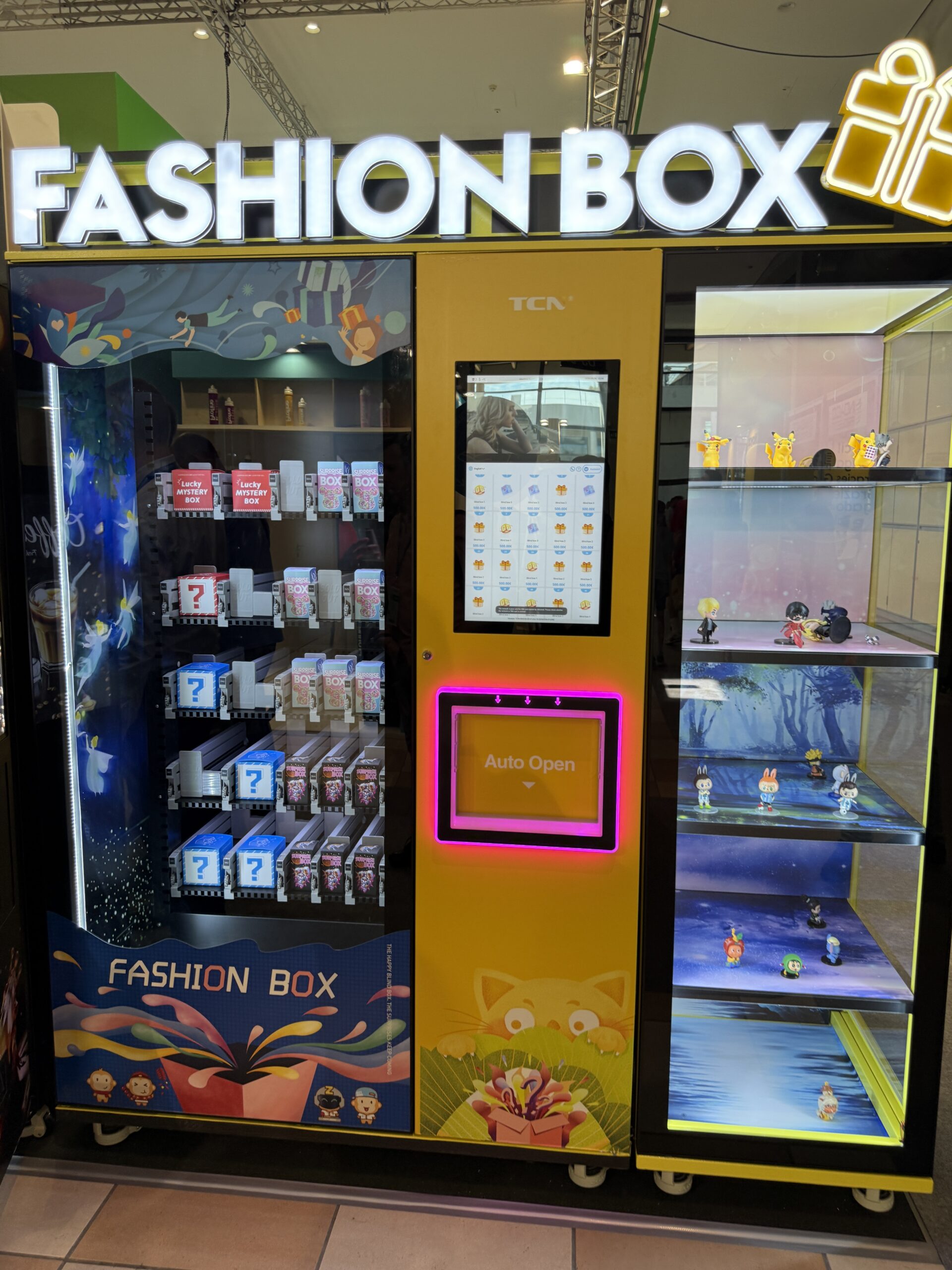
Two things sit alongside the legal work and are worth aligning with it. The machine itself matters, because security features, payment configuration, and how clearly product and pricing are presented all touch on the topics above, and the vending machines built for this category are designed with that in mind. And how you present and promote the machine matters too, since the way a blind box format is advertised can affect how the transaction is characterized, which makes it worth coordinating with the team handling that at VMarketed. These are separate services rather than a bundle, but keeping them aligned saves rework.
Frequently Asked Questions
Do you need a license for a trading card vending machine?
Generally yes, though what is required varies. Most operators need a business license and sales tax registration, and many states or cities also require a vending machine license or a decal on each machine. Because merchandise is not treated like food, you usually avoid health permits, but you should confirm the specific requirements for your state and city.
Are blind box vending machines legal?
Blind box product is a well established retail category sold widely, including from machines, and factory sealed manufacturer product is the most established form of it. The legal consideration turns on structure. Statutes like California Penal Code Section 319.3 specifically target grab bag style products assembled from cards removed from the manufacturer’s original packaging where a chase prize is advertised as being in some packages but not all. Repack and box break formats have drawn active litigation on this basis, while factory sealed packs that publish odds sit on firmer ground. Rules vary by state, so review your specific product mix.
Do I need a resale certificate to buy sealed cards wholesale?
In practice you will want one. A resale certificate lets you buy product for resale without paying sales tax at purchase, since tax is collected when the customer buys from your machine. Without it you can effectively pay tax twice on the same product, and most wholesale distributors will ask for it before opening an account with you anyway.
What insurance does a card vending machine need?
General liability is the baseline and most location owners require proof of it. Because this category holds unusually valuable inventory in an unattended machine, it is also worth confirming that your policy covers that inventory against theft and damage at limits reflecting a fully loaded cabinet, and revisiting those limits as your product mix moves upmarket.
Setting Up a Card or Collectible Machine?
VAdviced handles the legal side of vending, from entity formation and licensing to the questions that come with selling sealed and blind box product. Get it structured properly before your machine goes live.