Are Vape Vending Machines Legal in Virginia?
Yes, vape vending machines are legal in Virginia, but only under specific conditions set by state law. Operators must comply with strict placement restrictions, licensing requirements, age verification mandates, and applicable taxes before placing a machine into service.
This article is for informational purposes only and does not constitute legal advice. Laws and regulations change frequently. Always verify current requirements directly with official Virginia government sources before operating a vape vending machine.
Placement Restrictions
Virginia law tightly controls where tobacco and nicotine product vending machines may be located. Under the Virginia Indoor Clean Air Act and retail tobacco regulations, machines dispensing tobacco or nicotine products face significant placement limitations designed to prevent youth access.
Virginia Code Section 18.2-371.2 governs the sale of tobacco products to minors and directly affects vending machine placement by establishing that sales to persons under 21 are prohibited. The broader framework for acceptable placement ties directly to whether a location can guarantee restricted access.
Virginia Code Section 18.2-371.2 prohibits any person from selling, purchasing, or providing tobacco products, including alternative nicotine products and vapor products, to anyone under 21 years of age.
In practice, this means vape vending machines cannot be placed in locations where minors are likely to have unsupervised access.
- Machines must be placed in adult-only venues or locations where access by persons under 21 can be controlled.
- Placement in establishments open to minors, such as arcades, general retail stores, or restaurants that admit all ages, requires robust access control.
- Operators should consult placement strategy resources to identify compliant host locations before committing to a site.
- Location owners share compliance responsibility alongside machine operators.
Licensing and Permitting Requirements
Operating a vape vending machine in Virginia requires obtaining the appropriate retail licenses. The Virginia Department of Agriculture and Consumer Services (VDACS) oversees the regulation of tobacco product retailers under the Virginia Retail Tobacco Products and Nicotine Vapor Products Act.
Any person selling tobacco products or nicotine vapor products at retail must obtain a Retail Tobacco Products License from VDACS. This requirement applies to vending machine operators selling vapor products. (Source: Virginia Code Section 18.2-371.2 and Title 3.2 Chapter 48 of the Virginia Code, enforced by VDACS.)
- License is issued by VDACS and is required for each retail location or machine placement site.
- Operators must apply through the VDACS licensing portal and submit required documentation.
- Annual renewal is required to maintain compliance.
- Failure to obtain a license before operating constitutes a violation subject to penalties.
Additionally, local business licenses may be required depending on the county or city where the machine is placed. Operators should check with the local Commissioner of Revenue for jurisdiction-specific requirements. If you need help navigating the licensing process, compliance support services can guide you through the application steps.
Age Verification Requirements
Virginia raised the minimum legal purchase age for all tobacco and nicotine products, including vapor products, to 21 years old, aligning with the federal Tobacco 21 law. (Source: Virginia Code Section 18.2-371.2; federal Tobacco 21 enacted December 2019 under 21 U.S.C. 387f(d)(5).)
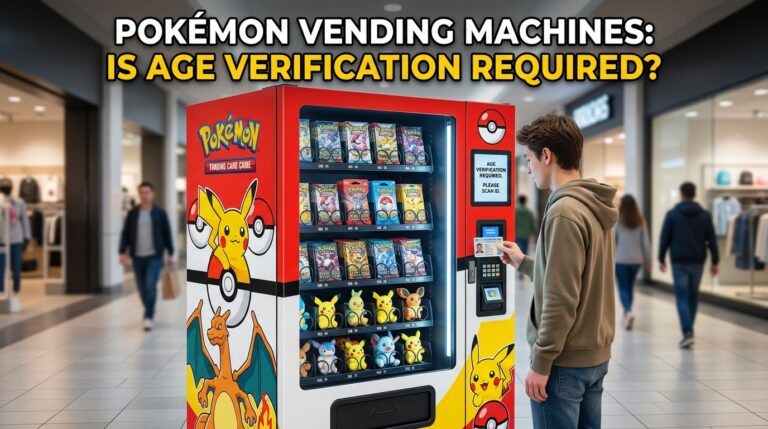
For vending machines, passive sales without active age verification are not acceptable. Machines must incorporate a mechanism that prevents purchase by persons under 21.
Virginia Code Section 18.2-371.2 makes it unlawful for any retail establishment to permit the sale of tobacco products through a vending machine unless the machine is equipped with a locking device controlled by the operator and is located in a place inaccessible to persons under 21.
- Machines must be equipped with a locking or access control device.
- ID scanning or remote activation technology is strongly recommended to demonstrate compliance.
- Operators should use age verification hardware and ID scanning systems built specifically for vending machine applications.
- The burden of preventing underage access falls on the operator and location owner jointly.
Product Restrictions
Virginia defines vapor products broadly to include any noncombustible product containing nicotine or other substances that produce vapor or aerosol. (Source: Virginia Code Section 18.2-371.2 and Title 3.2 of the Virginia Code.)
All vapor products sold through vending machines must comply with applicable FDA regulations, including premarket authorization requirements for products introduced after August 8, 2016. Selling unauthorized or non-compliant products creates both state and federal liability.
- Only FDA-authorized vapor products should be stocked in compliant machines.
- Synthetic nicotine products are now subject to FDA oversight following the 2022 Omnibus Act amendment.
- Products must not be marketed or labeled in ways that target minors.
- Cannabis or THC vaping products are subject to entirely separate Virginia regulations under the Virginia Cannabis Control Authority and should not be conflated with nicotine vapor product rules.
Review available vape vending machine models designed to accommodate compliant product inventory and secure dispensing formats.
Taxes, Revenue Stamps, and Fees
Virginia imposes a tax on tobacco products sold at retail. Vapor products are subject to the Virginia vapor products tax administered by the Virginia Department of Taxation.
Under Virginia Code Section 58.1-1021.01 and related provisions in Title 58.1 of the Virginia Code, a tax is levied on the sale of vapor products in Virginia. The current rate applies to the liquid used in vapor products and is collected at the distributor level, though operators must verify how their supply chain handles this obligation.
Virginia Code Section 58.1-1021.01 imposes a tax on vapor products sold in the Commonwealth, with the rate established by the General Assembly and subject to annual legislative review.
- Vapor product tax is typically collected at the distributor level, but operators should confirm tax-paid status with their supplier.
- Revenue stamps are required for traditional cigarette products under Virginia Code Section 58.1-1007 but vapor-specific stamp requirements differ. Confirm current vapor product stamp requirements directly with the Virginia Department of Taxation.
- Local business privilege license fees may also apply based on gross receipts from the machine.
- Operators should maintain purchase invoices showing tax-paid status for all inventory.
Penalties and Compliance Risks
Non-compliance with Virginia’s vape vending machine regulations carries significant consequences for operators and location hosts. Virginia Code Section 18.2-371.2 establishes civil penalties for violations related to underage tobacco sales.
- First violations may result in civil penalties and mandatory compliance training.
- Repeat violations can result in suspension or permanent revocation of the retail tobacco products license.
- VDACS has authority to conduct compliance checks and undercover operations targeting tobacco vending machines.
- Federal penalties under the Family Smoking Prevention and Tobacco Control Act may apply alongside state penalties for FDA-related product violations.
- Operators who fail to collect or remit applicable vapor product taxes face penalties from the Virginia Department of Taxation under Title 58.1 of the Virginia Code.
Operational Best Practices
Staying compliant requires more than a one-time setup. The following practices help operators reduce risk and maintain standing with state and local authorities.
- Obtain your VDACS retail tobacco products license before placing any machine.
- Verify local business license requirements in each city or county where a machine will operate.
- Install certified age verification and access control technology on every machine.
- Stock only FDA-authorized vapor products and maintain supplier documentation showing tax-paid inventory.
- Conduct regular internal compliance audits and train any staff who service or restock machines.
- Use a site selection process that prioritizes adult-only or age-verified access locations. Work with a placement network to find vetted host venues.
- Consult with a vape vending compliance specialist when entering new markets or expanding your machine footprint.
- Review your compliance posture annually as Virginia legislation and FDA rules continue to evolve.
Official Resources
- Virginia Department of Agriculture and Consumer Services (VDACS) – Retail tobacco licensing and enforcement
- Virginia Department of Taxation – Vapor product tax information and revenue stamp requirements
- Virginia Code Section 18.2-371.2 – Prohibition on tobacco sales to minors and vending machine rules
- Virginia Code Title 58.1 Chapter 10 – Tobacco products tax
- FDA Center for Tobacco Products – Federal product authorization requirements
- Your local Commissioner of Revenue office for jurisdiction-specific business license requirements
Frequently Asked Questions
Where can a vape vending machine be legally placed under Virginia law? ▼
What is the Virginia Vape Directory Law, and how does it impact inventory? ▼
What is the current state excise tax rate on e-cigarettes in Virginia? ▼
Does a vending machine require an integrated remote-locking device? ▼
What are the exact statutory penalties for youth-access violations in VA? ▼
- First Offense: A flat fine of $100.
- Second Offense: A fine of $200.
- Third or Subsequent Offense: A fine of $500 per violation.